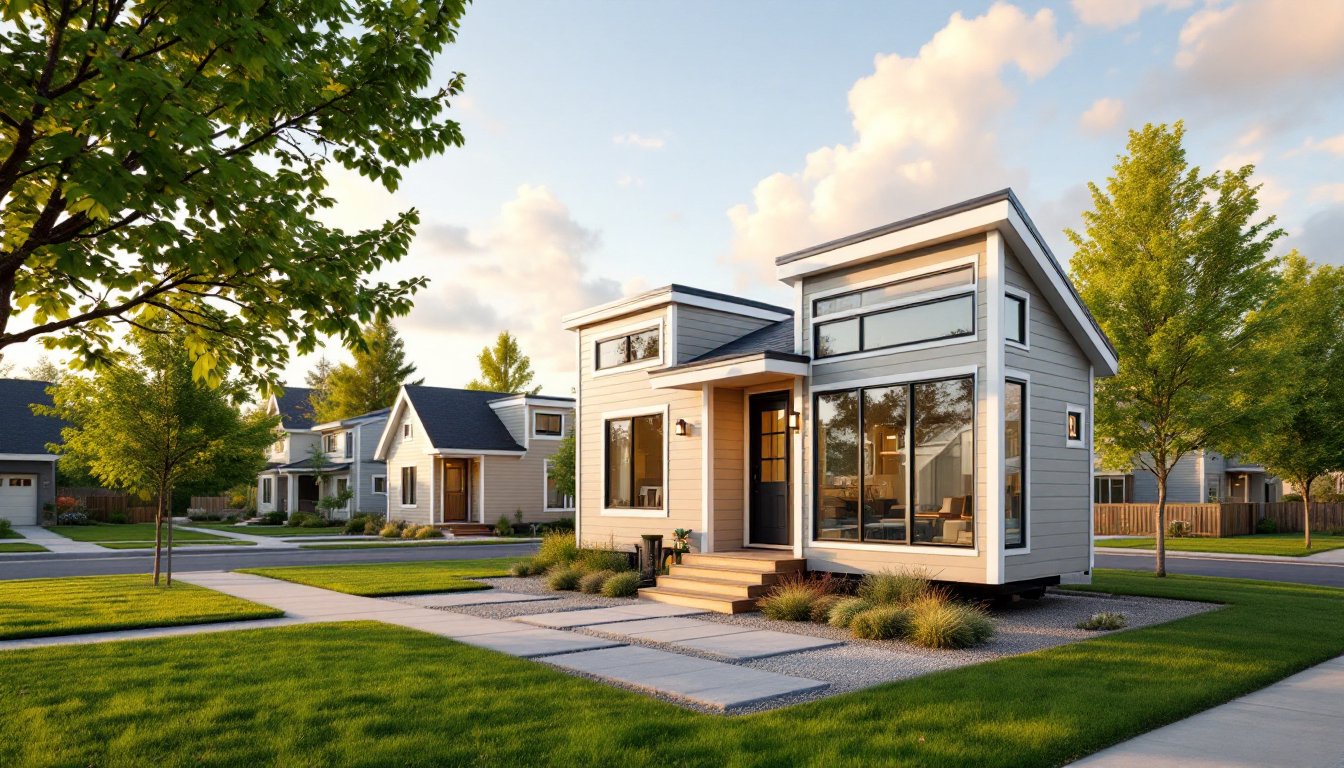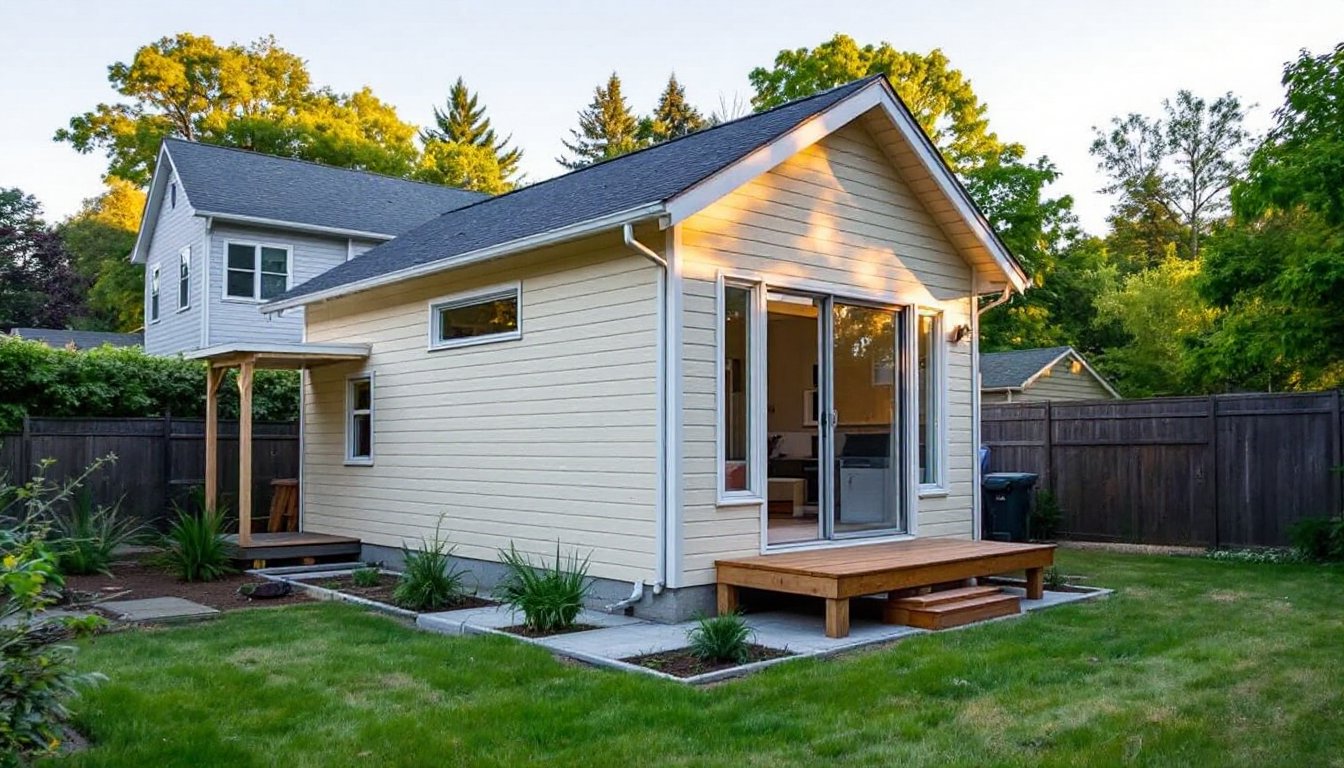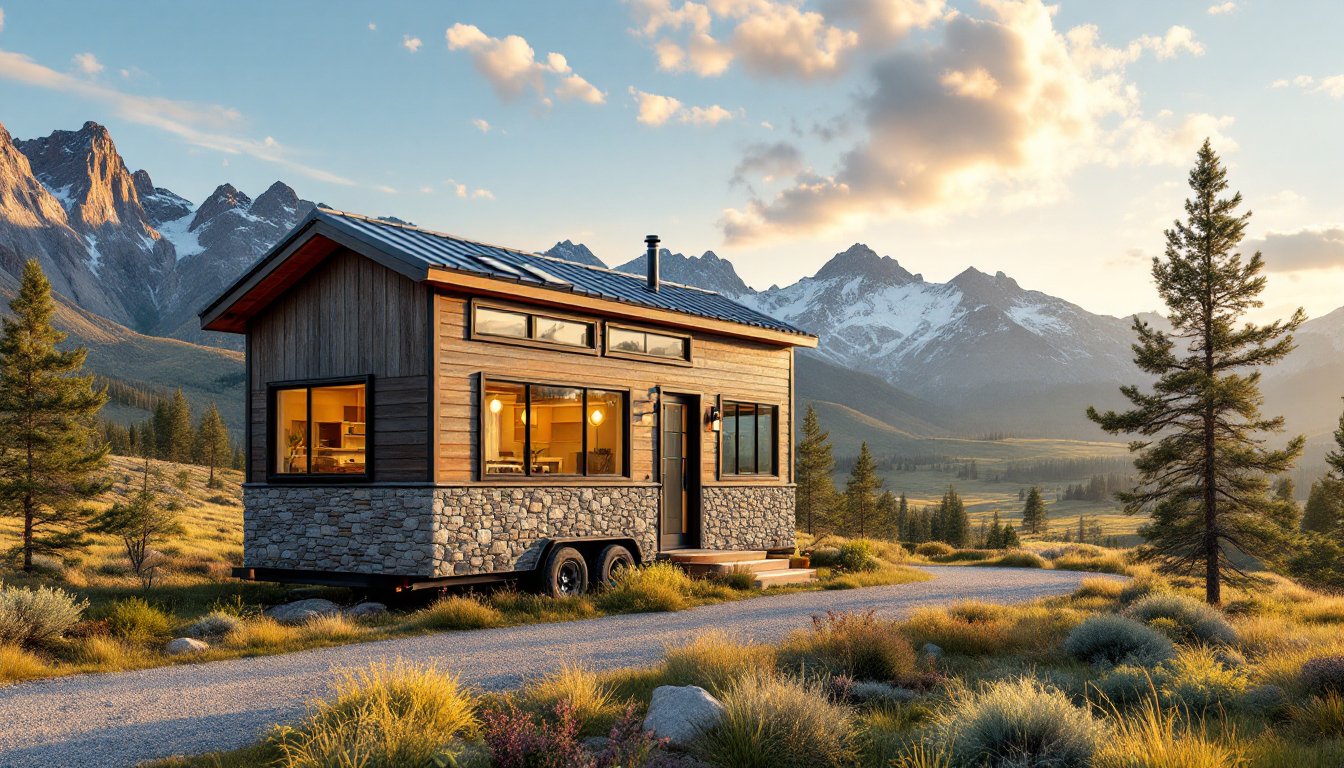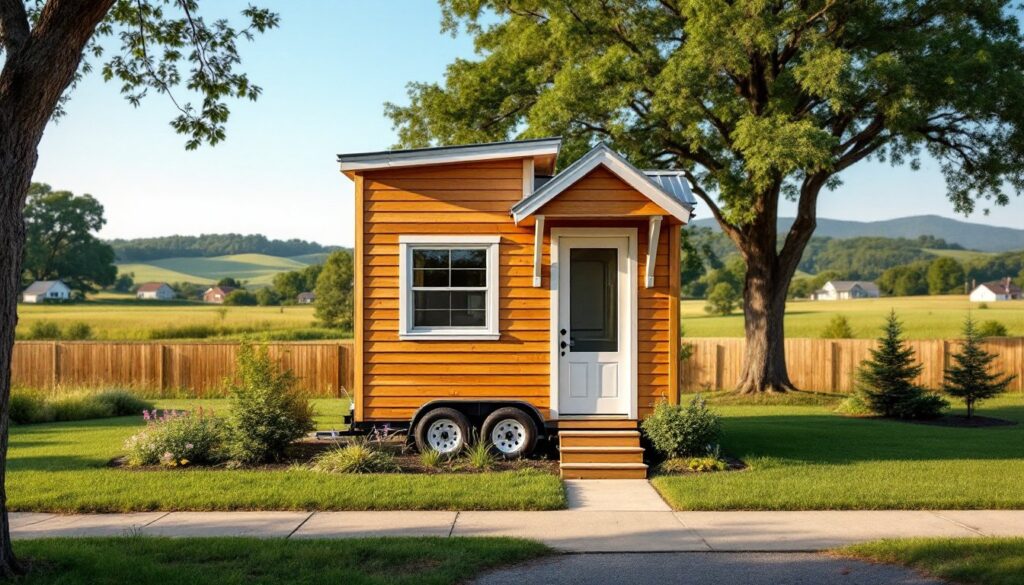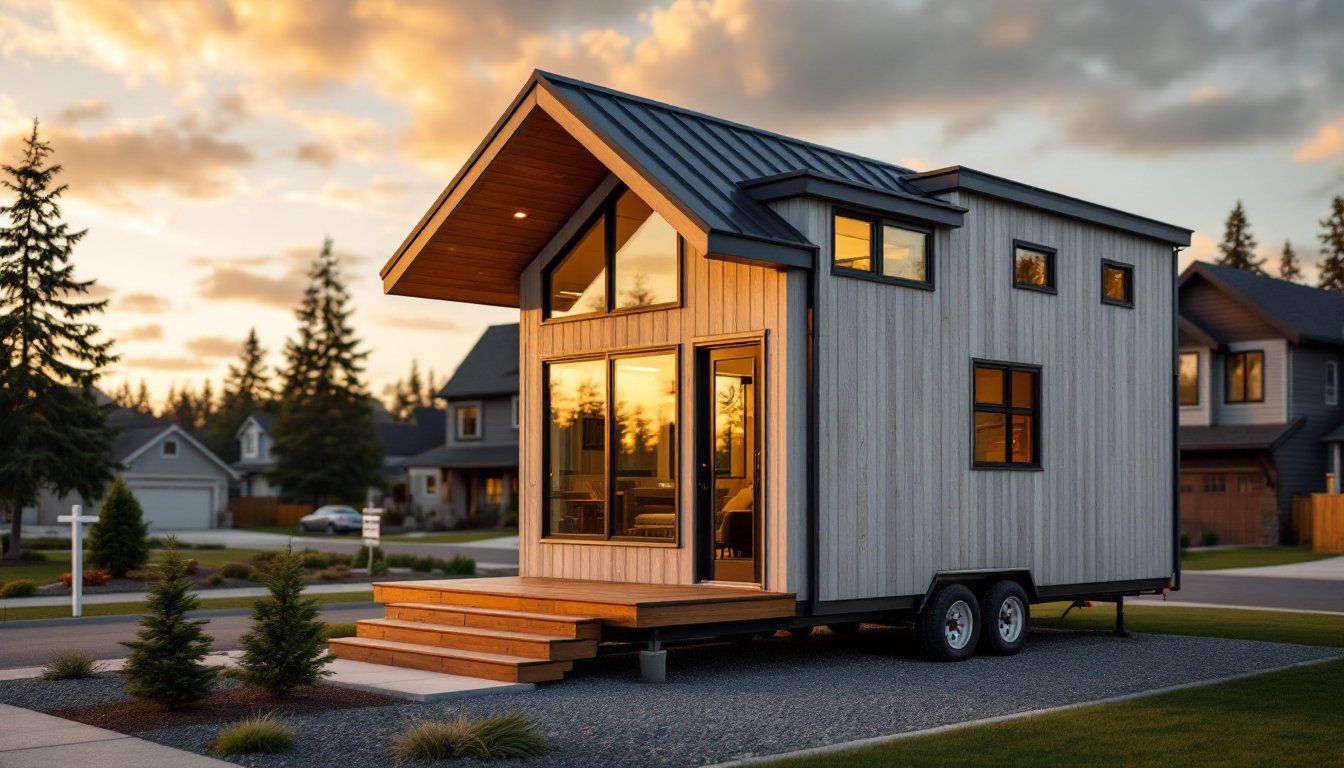

Tiny house living has shifted from trendy concept to serious housing solution, and Washington state is leading the charge. With skyrocketing home prices across the Pacific Northwest, tiny houses for sale in Washington offer an affordable alternative without sacrificing location or quality of life. Whether someone is drawn to sustainable living, financial freedom, or downsizing after decades of maintaining a sprawling home, the state’s growing tiny house market delivers real options. This guide walks prospective buyers through what’s available, where to find it, and what to watch out for before signing papers.
Table of Contents
ToggleKey Takeaways
- Tiny houses for sale in Washington cost 30–50% less than traditional homes, ranging from $150,000 to $400,000, making them a practical solution to the state’s housing affordability crisis.
- Seattle and King County command premium pricing ($300,000–$500,000) due to land values, while Eastern Washington cities like Spokane offer tiny homes for $120,000–$280,000 with lower competition.
- Buying a tiny house requires pre-approval financing and familiarity with local zoning laws, as legality varies by jurisdiction and can significantly impact resale value and equity building.
- Land ownership versus lot rentals determines long-term equity potential; monthly lot fees in managed communities range from $400–$1,200, so calculate true ownership costs beyond the purchase price.
- Specialist lenders for tiny house financing typically require 15–25% down payments and may charge higher interest rates than traditional mortgages, making early research with credit unions essential.
- Inspect structural integrity, foundation, utilities, and verify all permits and documentation before closing, as missing paperwork signals future complications in this alternative housing market.
Why Tiny Houses Are Gaining Momentum in Washington
Washington’s housing affordability crisis has made tiny houses suddenly practical rather than eccentric. A typical single-family home in Seattle averages $750,000+, pushing many buyers to explore alternatives. Tiny houses, typically 300 to 500 square feet, cost 30 to 50 percent less than conventional homes, with many ranging from $150,000 to $400,000 depending on location and finishes.
Beyond price, environmental consciousness drives demand. Washington residents increasingly value lower energy bills, minimal waste, and reduced carbon footprints. A well-insulated tiny house heats and cools far more efficiently than a 2,500-square-foot traditional home, translating to real savings over time.
Local zoning changes have also accelerated growth. Cities like Seattle, Tacoma, and Olympia have loosened restrictions on accessory dwelling units (ADUs) and small-lot development, making tiny house placement and financing less complicated than a decade ago. State incentives for sustainable housing have further legitimized the market.
Popular Neighborhoods and Regions for Tiny House Living
Seattle and King County Markets
Seattle dominates the tiny house conversation, with neighborhoods like Capitol Hill, Ballard, and Columbia City attracting downsizers and first-time buyers. The city’s ADU-friendly policies mean buyers can find lots with potential for future expansion or rental income. Prices here run $300,000 to $500,000, even for modest tiny homes, due to land values. King County communities outside Seattle, Shoreline, Renton, and Kent, offer slightly more breathing room, with comparable tiny houses priced $20,000 to $80,000 lower.
The Seattle market moves fast. Properties often receive multiple offers within days, so financing pre-approval is non-negotiable before house hunting. Working with a realtor familiar with tiny house sales and local zoning nuances saves months of frustration.
Spokane and Eastern Washington
Spokane represents the affordable alternative. Tiny houses there commonly range from $120,000 to $280,000, making them accessible for buyers with modest down payments. The city’s walkable neighborhoods and relatively strong job market make it appealing for remote workers and retirees alike.
Eastern Washington more broadly, including Bend-adjacent markets, Walla Walla, and Tri-Cities, attracts buyers seeking outdoor recreation, lower cost of living, and community feel. Smaller markets mean less inventory competition but also fewer specialist lenders familiar with tiny home financing, so early research is essential.
What to Expect: Pricing and Market Trends
Tiny house pricing in Washington has stabilized after rapid growth in 2023 and 2024. Most sales now track between $150,000 and $400,000, with cost heavily influenced by three factors: location (Seattle commands premium pricing), age and condition (new builds cost 20 to 30 percent more), and whether the structure sits on owned land or a leasehold.
Land ownership versus renting matters enormously. A tiny house on a permanent foundation you own outright builds equity: a tiny home on a rented lot in a community carries minimal appreciation. Monthly lot fees in managed communities range from $400 to $1,200, so buyers should calculate the true cost of ownership, not just purchase price.
Market velocity varies by region. West of the Cascades, competition remains fierce. East of the Cascades, inventory sits longer, sometimes allowing negotiation room. Interest rates and local lending practices continue shaping affordability more than raw property supply.
Key Considerations Before Buying a Tiny House in Washington
Zoning and Land Use Legality tops every buyer’s checklist. Washington has made strides toward tiny-house-friendly zoning, but compliance varies wildly by jurisdiction. A home legal in Seattle might violate code in a smaller town. Confirm zoning before making an offer, changing nonconforming status costs time and money.
Inspection and Foundation are critical. Request a full structural inspection, paying special attention to the roof, plumbing, and electrical systems, which experience higher wear in compact spaces. Mobile-based tiny houses need verified Mobile Home certification: site-built homes should have clear permits and occupancy documentation.
Resale Potential deserves honest consideration. The tiny house market is smaller than traditional home sales, meaning fewer buyers exist when selling. In rural or less progressive areas, resale windows lengthen significantly. Urban markets show healthier turnover.
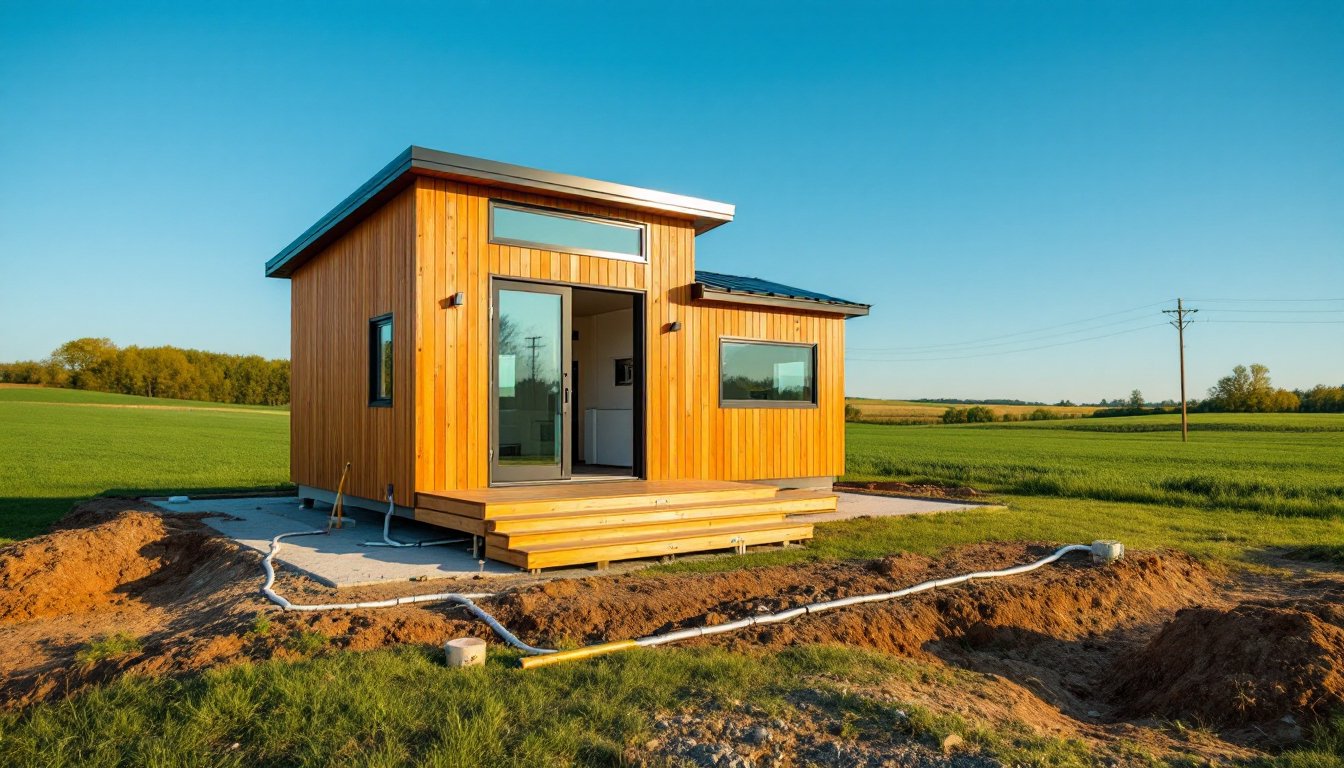
Utilities and Services vary. Not all parcels offer municipal sewer access: some rely on septic systems, which require maintenance and space. Internet speed in rural areas can disappoint remote workers. Confirm all utilities before closing.
Financing and Legal Requirements for Tiny House Purchases
Financing tiny houses diverges from standard mortgages. Bank reluctance centers on resale risk and nonstandard construction. A buyer should expect tighter down payments (15 to 25 percent common) and higher interest rates than traditional home loans.
Specialist lenders focused on alternative housing exist, though fewer operate nationally. Local credit unions and niche lenders often prove more flexible than major banks. RV financing programs sometimes apply to mobile tiny homes but carry shorter terms and steeper rates.
Permits and Documentation make or break a deal. Sellers should provide original building permits, utility connections, and proof of occupancy compliance. Missing documentation signals future headaches. In Washington, ADUs and accessory dwellings require approval from local planning departments: verify nothing’s pending before committing.
Title Clarity matters. Some tiny homes carry complex or split titles if land is financed separately. A real estate attorney well-versed in alternative housing can navigate title nuances, clarify easements, and ensure the deed transfers cleanly. This typically costs $500 to $1,200 but prevents costly disputes later.