
Flying ants appearing indoors during spring and summer can alarm any homeowner. These winged insects, often mistaken for termites or other household pests, typically signal either a nearby colony reaching reproductive maturity or seasonal activity. The good news: with proper identification and swift action, removing flying ants is straightforward and doesn’t require expensive treatments. This guide walks you through spotting the difference between flying ants and look-alikes, removing active infestations, and sealing your home against future swarms. Whether dealing with carpenter ants, pavement ants, or common household species, understanding their behavior and life cycle makes tackling the problem far less stressful.
Table of Contents
ToggleKey Takeaways
- Flying ants are reproductive swarmers that emerge in spring and summer; their presence indoors signals either a nearby mature colony or seasonal mating activity passing through open windows and doors.
- Tiny flying ants in your house can be identified by their pinched waist, elbowed antennae, and unequal-sized wings—distinguishing them from termites, which have straight waists and equal wings.
- Immediate removal involves vacuuming visible insects daily, sealing the infested room, and applying indoor-safe insecticides to baseboards and gathering areas until activity stops.
- Carpenter ants pose the greatest structural risk indoors; if you find sawdust-like droppings or hollow wood, locating and treating the nest is urgent to prevent long-term damage.
- Prevention requires sealing exterior cracks, eliminating moisture sources, removing food waste, trimming vegetation away from your home, and treating outdoor ant colonies to reduce swarm entry during mating season.
- Call a licensed pest professional if activity persists beyond one week, you discover tunnels in wood, or suspect a hidden nest, as professional treatment can reach wall voids that DIY methods cannot.
What Are Winged Ants and Why Do They Appear Indoors?
Winged ants, called alates or swarmers, are reproductive members of a colony (males and females) that emerge to mate and establish new nests. This happens once or twice yearly, typically in spring or early summer when temperatures warm and moisture levels rise. A mature colony can number in the tens of thousands: when conditions align, hundreds or thousands of these fliers take off simultaneously, which is why people suddenly notice them.
Winged ants finding their way indoors means either a colony lives inside your structure (in walls, attic, or crawl space) or they’re simply flying past open windows and doors during a swarm. Carpenter ants, larger species that hollow out wood to nest, are the most concerning indoors, as they damage structural framing over time. Other common indoor visitors include pavement ants, odorous house ants, and acrobat ants, which primarily nest outdoors but may wander in seeking food or shelter.
The presence of flying ants alone doesn’t guarantee an infestation, but it warrants a closer inspection. If you spot live colonies, sawdust-like frass (ant droppings), or hollow wood, a nest is likely present and removal becomes urgent.
How to Identify Flying Ants vs. Other Household Pests
Misidentifying flying ants as termites or gnats leads to wrong treatment choices and wasted effort. The fastest way to confirm flying ants: capture one and inspect it closely under a bright light or magnifying glass.
Key Physical Characteristics
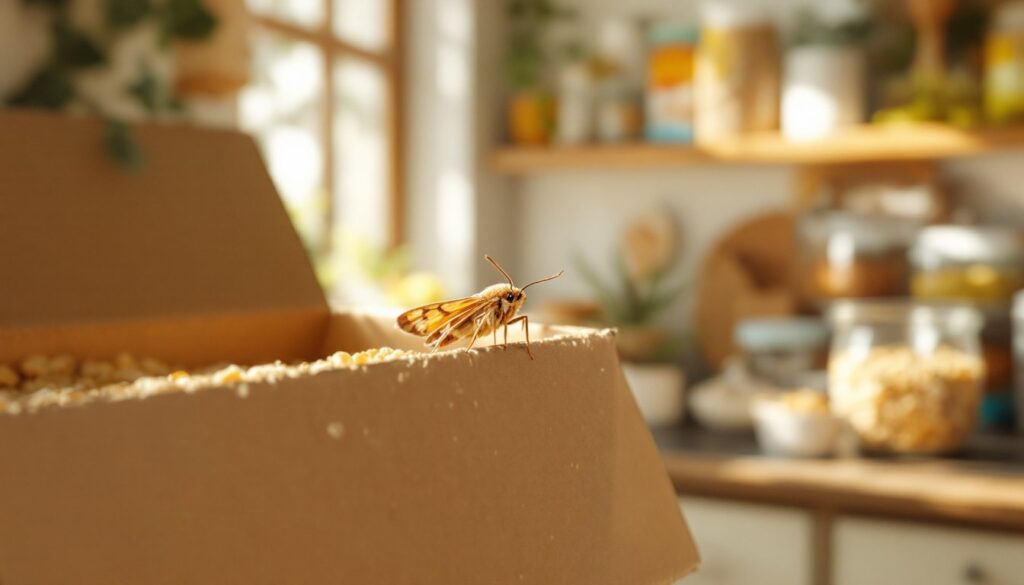
Flying ants have a pinched waist (called a petiole), elbowed antennae, and three distinct body sections: head, thorax, and abdomen. Wings, when present, are unequal in size, the front pair is longer. Sizes range from 1/8 inch to 3/4 inch depending on species.
Termites, the most common misidentification, have a straight waist, straight antennae, and equal-sized wings front and back. They’re softer-bodied and lighter in color (cream to pale brown).
Gnats and small flying insects have large eyes and lack the segmented body structure of ants. They’re typically 1/16 inch or smaller and move erratically.
Other clues: Carpenter ants are usually dark brown or black and fairly large (1/4 to 3/4 inch). You might find them trailing along baseboards, under sinks, or near exterior wood. Odorous house ants are tiny (about 1/8 inch), dark brown, and release a rotten coconut smell when crushed. Pavement ants are similarly small and often nest in concrete cracks or sand.
If you’re uncertain, photograph the insect and contact your local extension office, most will identify pests free of charge.
Immediate Steps to Remove Flying Ants from Your Home
Once you’ve confirmed flying ants are present, quick removal prevents them from establishing or expanding nests indoors.
DIY Treatment Methods
Vacuuming is your first line of defense. Turn on a shop vac or standard vacuum and suck up visible flying ants, dead ants, and any on walls or windowsills. Dispose of the bag or empty the canister into a sealed plastic bag outside, live ants can crawl back out. Repeat daily while swarmers are active.
Close off and exclude. Seal off the room with the heaviest activity if possible. Turn off exhaust fans and air-conditioning to avoid drawing them deeper into ducts. Cover vents with fine mesh temporarily. This containment stops them from dispersing to other parts of your home.
Apply residual sprays where you see activity. Use an indoor-safe insecticide labeled for flying ants, typically pyrethrin- or permethrin-based products like Raid or Spectracide work quickly. Spray baseboards, window frames, and areas where ants congregate. Wear safety glasses and a dust mask if spraying: avoid inhalation and contact with eyes. Follow label instructions for drying time before re-entering spaces, especially if children or pets are in the home.
Baits are less useful for swarmers (they don’t forage for food: they’re focused on mating) but can help if a resident colony is nearby. Ant baits like Terro or Combat slow-kill formulas work by having worker ants carry poison back to the nest. Place baits along ant trails or near suspected entry points, and wait 3–5 days before evaluating results.
Locate the nest if swarmers persist beyond a week. Look for sawdust piles, small holes in wood, or faint rustling sounds inside walls (especially at dawn or dusk). If you find a nest in accessible wood, you have two choices: treat it yourself with an ant-specific wood treatment (labeled for carpenter ants or wood-boring insects), or call a pest professional. Structural damage from carpenter ants can be severe: if the nest is deep in a wall or framing, professional removal is justified.
Preventing Future Flying Ant Infestations
Stopping flying ants before they settle requires addressing moisture, food sources, and entry points.
Sealing Entry Points and Environmental Control
Inspect and seal cracks. Walk the exterior perimeter and caulk gaps around window and door frames with silicone or acrylic caulk (paintable types work best). Seal gaps where pipes, cables, or conduits enter the house using expanding foam or silicone. These small gaps are highways for ants exploring new territory.
Fix moisture issues. Ants are drawn to damp environments because they need water and because moisture attracts the insects they hunt. Check crawl spaces, attic vents, and basements for standing water, condensation, or poor drainage. Install or repair gutters and downspouts to direct water at least 4–6 feet away from the foundation. If you have a history of wet basements, consider a sump pump or dehumidifier.
Remove food and waste. Ants forage for crumbs, sticky residue, and grease. Wipe down kitchen counters and stovetops daily. Seal garbage cans tightly and take trash out regularly. Store pantry foods in airtight containers, especially flour, sugar, and pet food. Clean up spilled pet food promptly.
Trim vegetation touching the house. Branches and ivy provide a bridge for ants and their prey insects. Keep plants at least 12 inches away from siding. Remove dead wood piles, mulch, or leaf litter piled against the foundation, these harbor both ants and the insects they’re hunting.
Monitor outdoor nests. If you spot ant mounds or nests in your yard, treat them with an outdoor ant killer (acephate, fipronil, or other products labeled for outdoor use). Eliminating nearby colonies reduces the odds of swarmers entering your home during mating season. Apply treatments in late spring or early fall, following all label safety guidelines.
Maintain wood integrity. Examine exterior wood siding, trim, fascia, and decking for rot, damage, or exposed grain. Carpenter ants target soft, water-damaged wood. Sand and seal exposed wood with a quality exterior stain or sealant every 2–3 years. Replace rotted boards promptly, waiting invites infestation.
If flying ants return after one season even though preventive measures, or if you suspect a nest is active indoors, hiring a licensed pest control professional is worth the cost. They can identify species, locate hidden nests, and apply treatments (like wall voids injection) that DIY methods can’t reach.
When to Call a Professional
DIY removal works well for one-time swarms or minor incursions, but structural infestation by carpenter ants requires expertise. Signs that warrant professional help include: visible tunnels or galleries in wood, persistent activity over multiple weeks, large numbers in multiple rooms, or signs of active nesting (frass, soldier ants, or hollow wood). A pest professional can access wall voids, treat hidden colonies, and monitor follow-up, saving you time and protecting your home’s integrity. Costs typically range from $300 to $1,500 depending on infestation severity and your region, but early intervention beats expensive structural repairs later.