
Finding tiny moths fluttering around the kitchen or closet can feel unsettling, especially when homeowners realize they’re not just a passing nuisance, they’re a sign of an active infestation. Unlike outdoor moths that simply need a way out, indoor moth species actually live inside homes, breed rapidly, and can damage food supplies or clothing if left unchecked. The good news is that identifying which type of tiny moth has moved in and addressing the root cause is straightforward with the right approach. This guide walks through exactly what to look for, where moths hide, and the practical steps to eliminate them and keep them from coming back.
Table of Contents
ToggleKey Takeaways
- Tiny moths in your house are domestic pests that reproduce rapidly indoors, with females laying 100–300 eggs that can complete a full life cycle in just 30 days under warm conditions.
- Identify the type of tiny moth you have: Indian meal moths infest pantries and dry goods, while webbing clothes moths target natural fibers in closets and stored clothing.
- Remove infested food immediately, store all dry goods in airtight rigid containers, and thoroughly vacuum pantries and closets to eliminate larvae hiding in cracks and hard-to-reach spaces.
- Freeze infested clothing at 0°F for 2 weeks or dry-clean it, then wash nearby items in hot water to eliminate all life stages of clothes moths.
- Prevent moths from returning by storing foods in cool, dry conditions below 70°F, maintaining low humidity, inspecting secondhand items before bringing them home, and regularly rotating stock to avoid surplus stockpiles.
What Are These Tiny Moths and Why Are They Here?
The tiny moths appearing in homes belong to just a handful of species, and nearly all are attracted to food, fiber, or dark storage spaces. The most common culprits are Indian meal moths and Indianmeal moths (pantry pests that infest dry goods) and webbing clothes moths (which target natural fibers in closets and storage). These aren’t outdoor moths that wandered inside by accident, they’re domestic pests with life cycles perfectly adapted to indoor environments.
Moths enter homes through grocery bags, packaged foods, or infested secondhand items like clothing, furniture, or bedding. Once inside, a female moth can lay 100–300 eggs at a time, and the larvae (the real problem) hatch within days and begin feeding. A single generation can complete its life cycle in as little as 30 days under warm indoor conditions, which means an infestation snowballs quickly if not addressed. Understanding this reproductive timeline is key to why early detection and decisive action matter so much.
How to Identify Common Indoor Moth Species
Pantry Moths vs. Clothing Moths
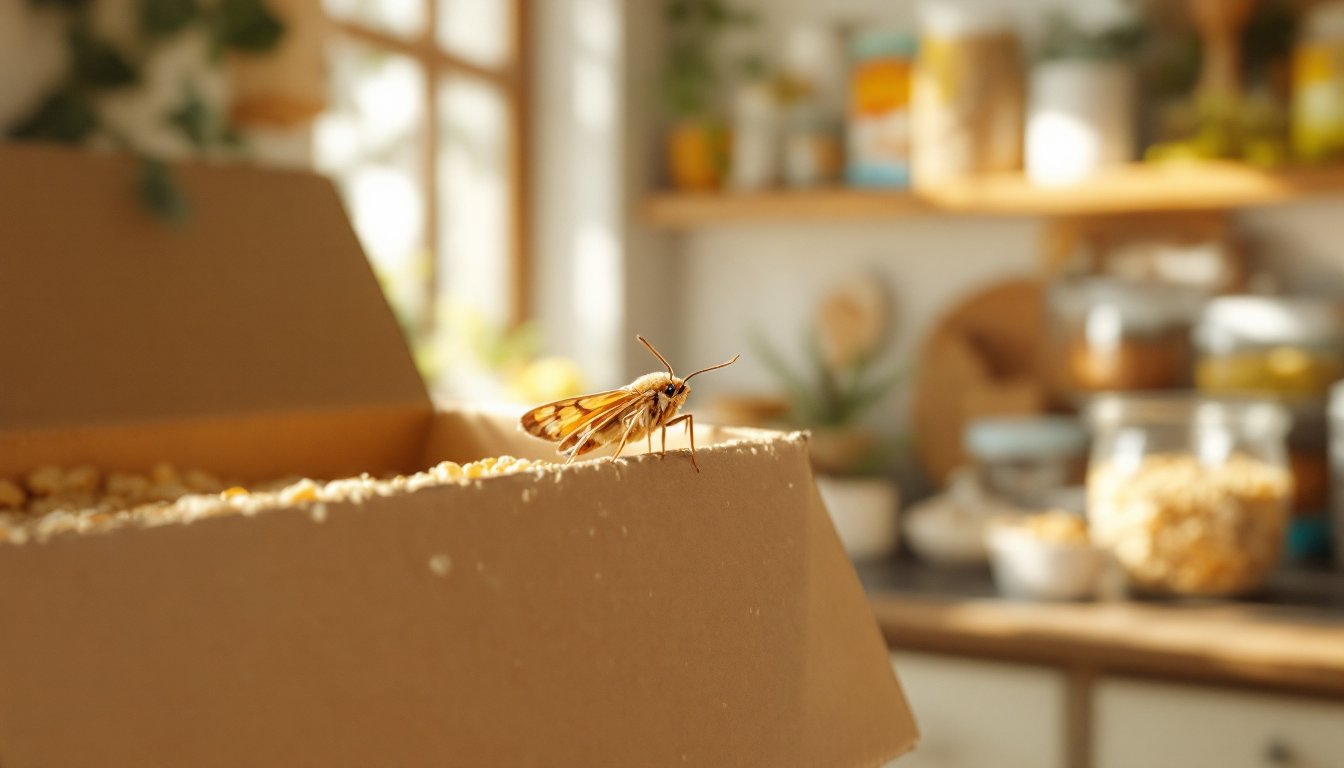
Indian meal moths are the most frequent pantry invader. Adults are roughly ½ inch long with mottled tan or gray forewings and a distinctive reddish-brown hind section. Look for small grayish webs or silken threads inside flour, cereal, or grain containers, these are the larvae feeding tunnels and droppings, not actual insect nests. Pantry moths prefer warm, humid environments and seek out bulk grains, pasta, flour, nuts, dried fruit, pet food, and bird seed.
Webbing clothes moths are smaller, about ⅜ inch long, and uniformly pale golden or buff-colored with no patterns. They’re slower fliers and less noticeable than meal moths, which is partly why clothing infestations can go undetected for months. Look for small holes or bare patches in natural-fiber clothing, blankets, or upholstered furniture. The larvae spin fine silken webbing as they feed through wool, silk, fur, and cashmere: synthetic fibers are largely safe unless they’re blended with wool.
A quick way to tell them apart: if the moths are near your pantry or appearing during meal prep, they’re meal moths. If they’re in or near closets and drawers with clothing, they’re clothes moths. Clothes moths also move sluggishly and avoid light, while meal moths are more active fliers.
Where to Look and What Signs to Watch For
Start by tracking where and when homeowners see the moths. Meal moth adults often congregate near light sources in kitchens at dusk or early evening, or they’re spotted near open pantry shelves. Check every opened or stored dry good: flour, oats, cornmeal, crackers, pasta, nuts, chocolate, coffee, dried herbs, spices, and pet food. Look inside containers, between boxes, and on the back of pantry shelves.
For clothing moths, inspect the dark, undisturbed zones: inside closets, beneath blankets, under furniture, and in upholstered seating. Pull out old coats, sweaters, and wool items stored in the back, moths prefer these undisturbed spaces. Check attic storage boxes and basement shelving where woolen goods accumulate.
Other telltale signs include small tan or brown droppings (frass) in food containers or on fabric, a musty or off smell in stored foods, or noticing moths emerging from storage areas in waves. If homeowners find one moth, there are almost certainly eggs or larvae already present, even if they haven’t spotted them yet.
Effective Methods to Get Rid of Tiny Moths
Natural and Chemical Treatment Options
The most effective approach combines immediate action with thorough follow-up. For pantry moths, first remove and discard any infested food, don’t try to save it. It’s far cheaper to replace flour or cereal than to risk ingesting moth larvae or pupae. Thoroughly vacuum and wipe down every shelf, corner, and crevice in the pantry with a damp cloth or diluted vinegar solution. Larvae hide in cracks and under shelf liners, so don’t skip the hard-to-reach spots.
Place unopened, non-infested dry goods into airtight glass or plastic containers before returning them to the pantry. Meal moths can chew through paper and thin plastic, so rigid containers with locking lids are essential. Store foods in cool, dry conditions if possible: moths reproduce slower below 70°F.
For clothes moths, remove all infested clothing immediately and either seal it in plastic bags for freezing (0°F for 2 weeks kills all life stages) or dry-clean it. Wash non-infested items that were near infested ones in hot water if the fabric allows. Vacuum closets, under furniture, and storage areas thoroughly, paying special attention to corners and baseboards. After vacuuming, dispose of the vacuum bag or contents outdoors.
Natural options include cedar blocks, lavender sachets, and diatomaceous earth (food-grade, applied as a light dusting in dark corners of pantries or closets). These work best as preventatives after an infestation is cleared, not as primary treatments. Pheromone traps designed for meal moths or clothes moths can help monitor ongoing activity and catch stragglers. These traps won’t eliminate an infestation but confirm when one has been controlled.
Chemical treatments like aerosol insecticides labeled for pantry pests or clothes moths work faster if the infestation is heavy. Follow all label directions carefully, remove people and pets during application, and ensure adequate ventilation. For pantry use, remove all food and dishes, spray according to label instructions, and allow the area to dry completely before restocking. Freezer-grade insect control sprays designed for pantries are safer for food storage areas than general-purpose insecticides.
In severe cases, especially with clothes moths in valuable items, professional pest control is worth the cost. They have access to stronger treatments and can reach spaces homeowners might miss.
How to Prevent Tiny Moths From Returning
Prevention starts with smarter storage habits. Keep all dry goods in sealed, rigid containers rather than in paper boxes or loose bags. Label containers with contents and purchase dates. Buy only what can be used within a reasonable timeframe: moths thrive on surplus stockpiles.
Inspect new purchases before bringing them into the home. Don’t open packaged goods directly over the pantry or dining table, open them over a trash can or sink to catch any stray insects. For groceries, transfer items to clean containers immediately, or leave them sealed until use.
Maintain cool temperatures in storage areas. Pantries and closets above 75°F are ideal for moth reproduction: keeping them cooler slows their development cycle. Use a dehumidifier in damp climates or storage spaces, moths and their larvae prefer humidity above 60%.
Regularly rotate stock and check stored items. Don’t let clothing or blankets sit undisturbed for months. Periodically open windows in closets to air them out, and consider cedar blocks or lavender sachets as a backup (though these aren’t reliable as sole treatments). Vacuum frequently, especially corners and under furniture where lint accumulates and provides larvae with food.
If buying secondhand clothing, furniture, or textiles, inspect them carefully and either wash, freeze, or dry-clean them before bringing them into the home. This one precaution can prevent months of infestation headaches.