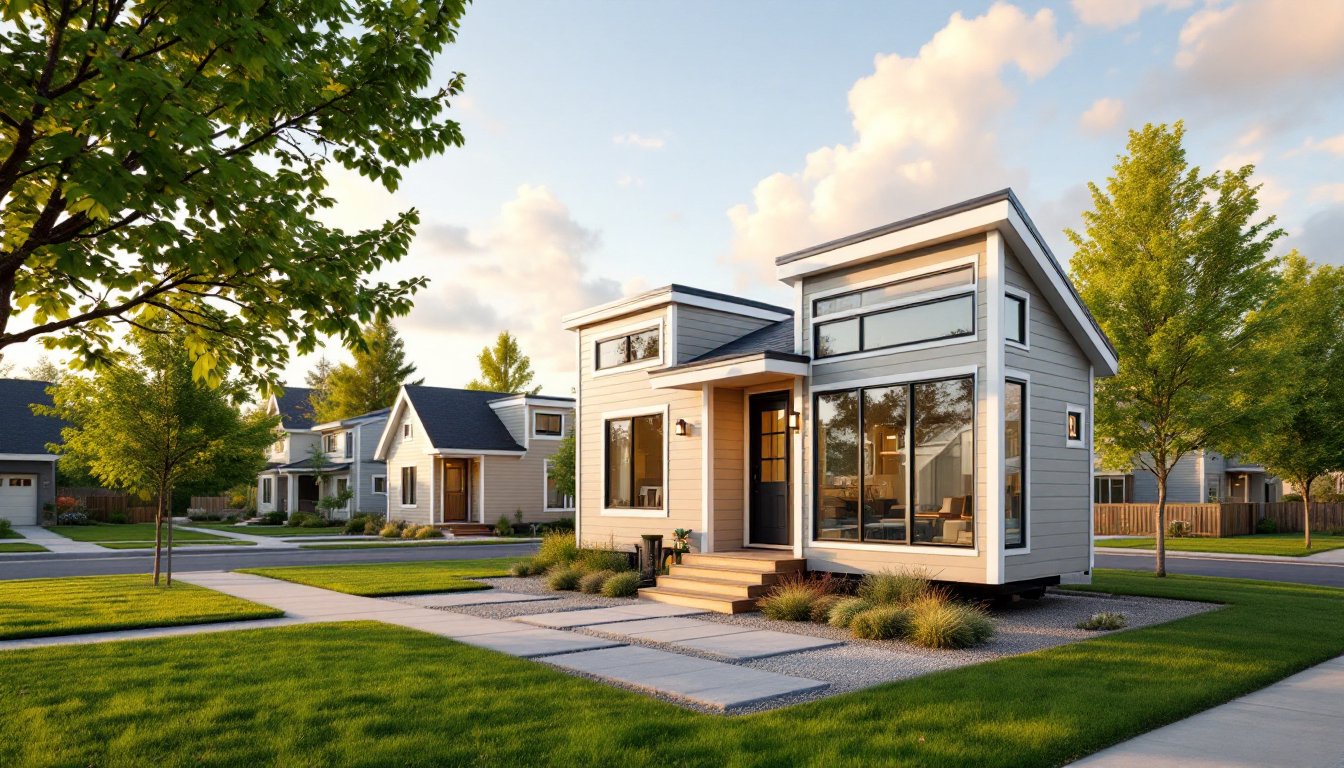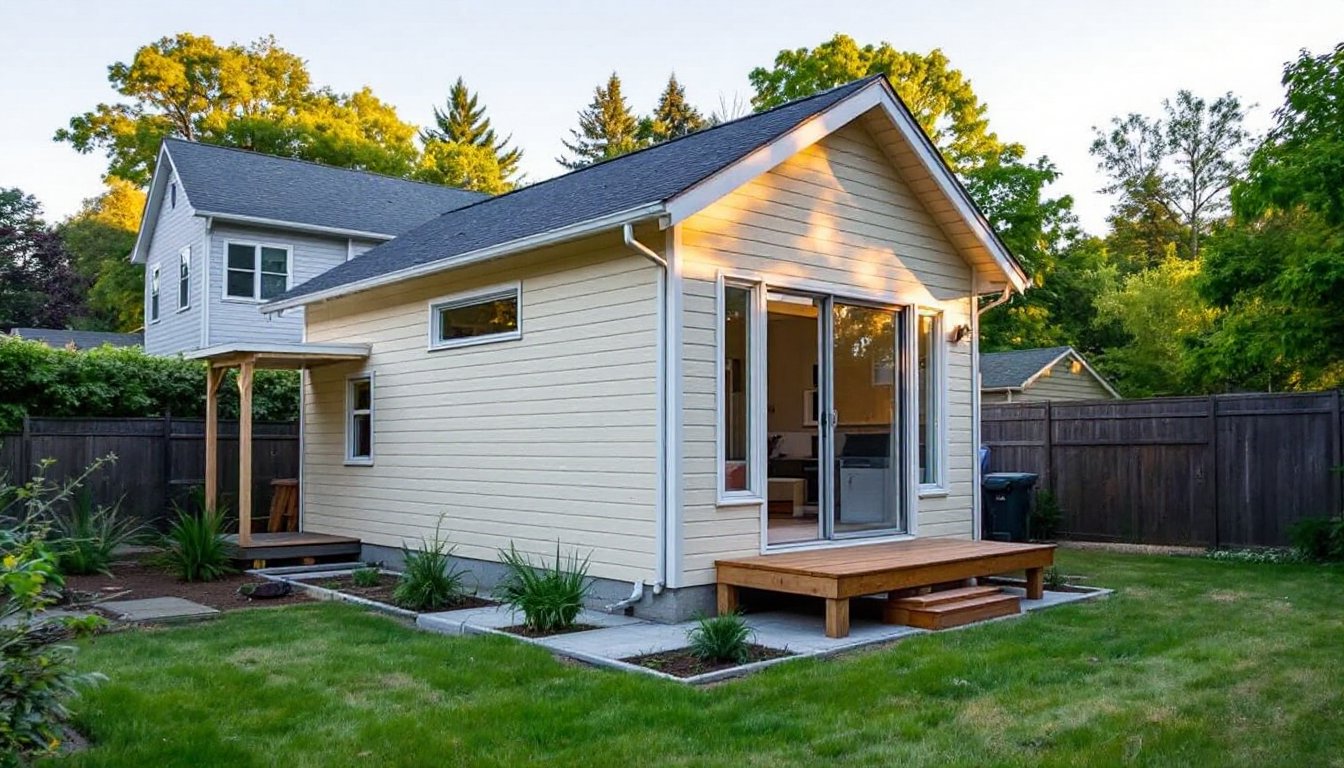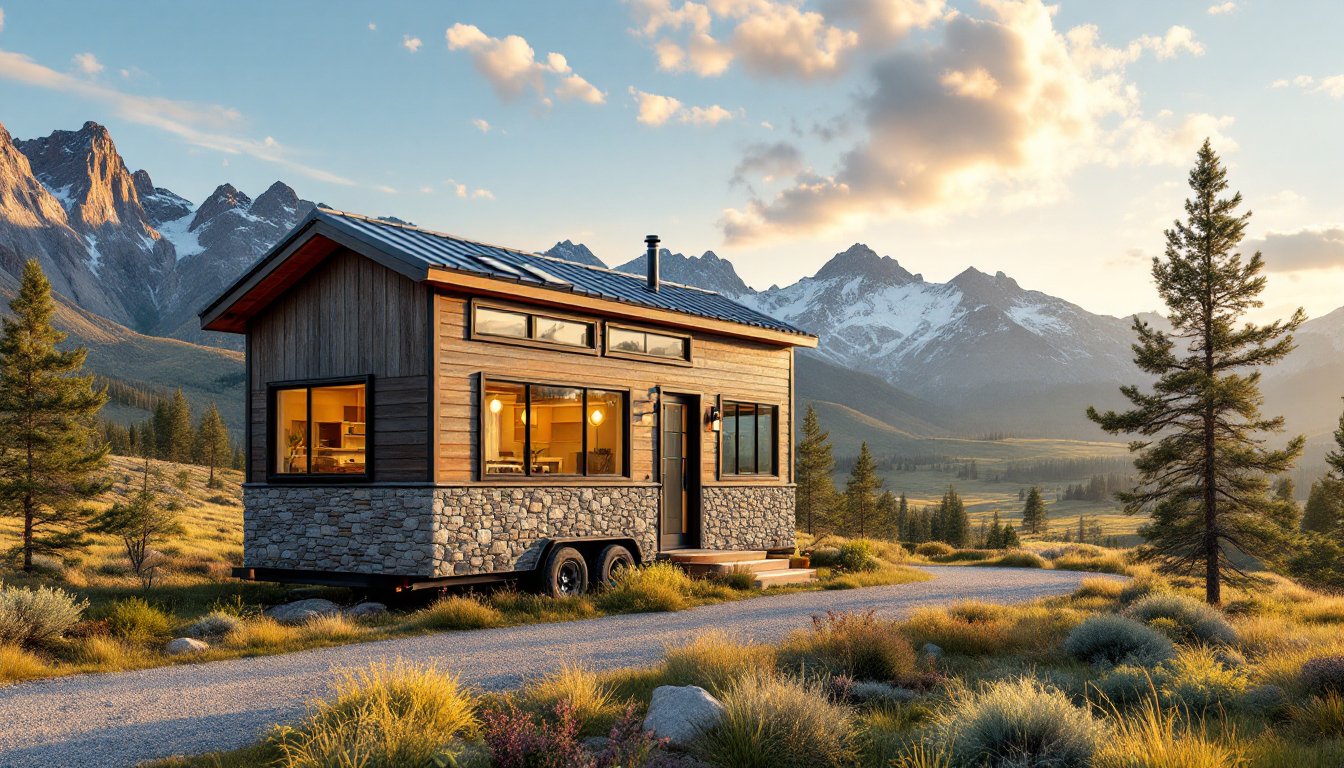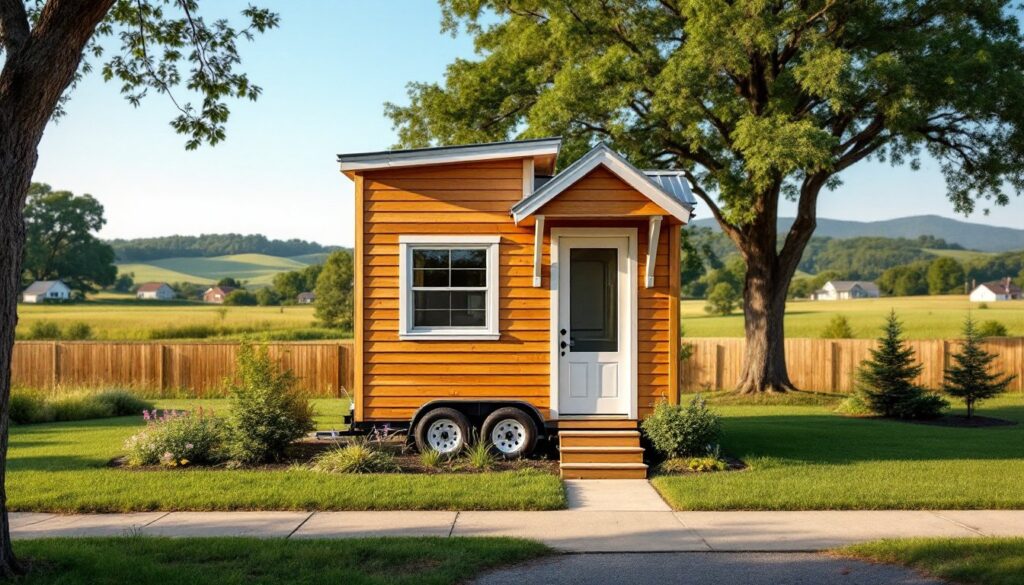

A tiny house compound represents a practical answer to rising housing costs, limited land, and the growing demand for sustainable living spaces. Rather than a single dwelling, a tiny house compound bundles multiple small homes, typically 300–800 square feet each, onto shared property, often with communal gardens, workshops, and green spaces. Unlike traditional subdivisions, these compounds prioritize density without sacrificing livability, offering families, multi-generational households, and intentional communities a real alternative to conventional suburban development. In 2026, as remote work persists and housing affordability pressures mount, tiny house compounds are moving from niche concept to legitimate housing solution that builders, municipalities, and homeowners are taking seriously.
Table of Contents
ToggleKey Takeaways
- A tiny house compound clusters 4–15 self-contained homes (300–800 sq ft each) on shared property with communal amenities, offering significantly lower entry prices ($150,000–$300,000) compared to conventional homes priced at $450,000+.
- Tiny house compounds reduce environmental impact through lower per-unit energy consumption, shared infrastructure, efficient land use, and integrated sustainability features like solar arrays and rainwater harvesting.
- Zoning approval is the primary challenge, requiring variances or conditional-use permits that can take 6–18 months, making early engagement with municipal planning departments essential before purchasing land.
- Financing a tiny house compound requires lenders experienced in alternative housing and site-specific valuations, as many traditional mortgage products and FHA loans don’t accommodate homes under 400 square feet.
- Successful compounds depend on clear governance structures, shared maintenance cost agreements, and careful site planning that prioritizes walkability, privacy fencing, drainage management, and building code compliance.
What Is a Tiny House Compound?
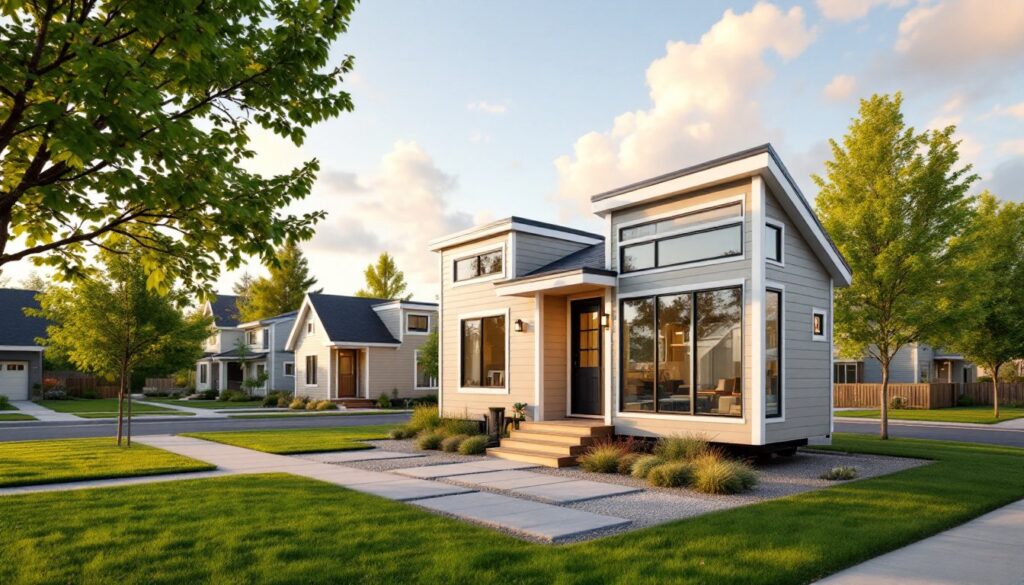
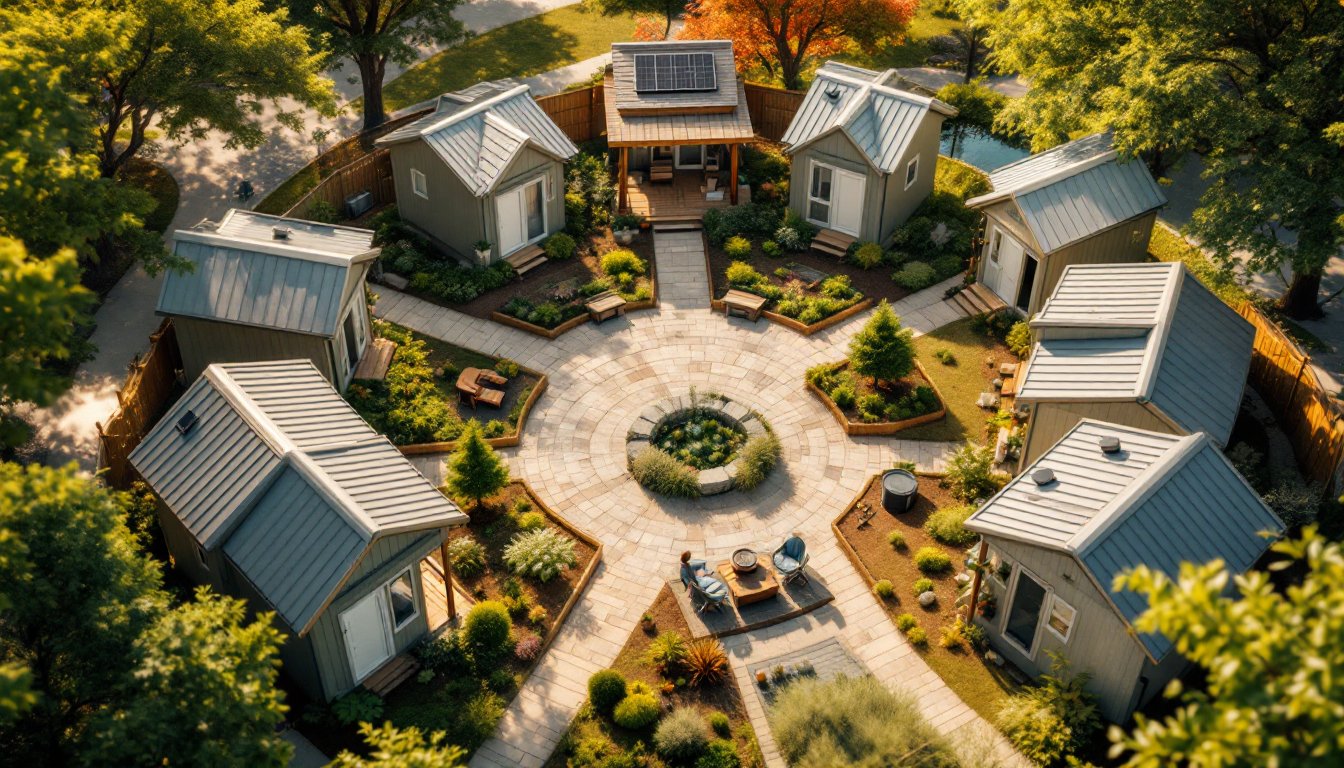
A tiny house compound is a planned community of small homes clustered on a single property or neighboring parcels. Each unit is fully self-contained with its own kitchen, bedroom, bathroom, and utilities, but shares common infrastructure and amenities. Think pocket neighborhoods: a cluster of 4–15 tiny homes arranged around a central courtyard, community garden, parking area, or pavilion.
The defining difference from traditional subdivisions is density with intention. Setbacks are tighter, shared utilities infrastructure is planned from the start, and the community layout encourages interaction. Properties typically range from 0.25 to 1 acre, with homes sitting on individual lots of 1,500–3,000 square feet each, enough to maintain privacy and ownership, but tight enough to preserve green space and foster neighborly connection.
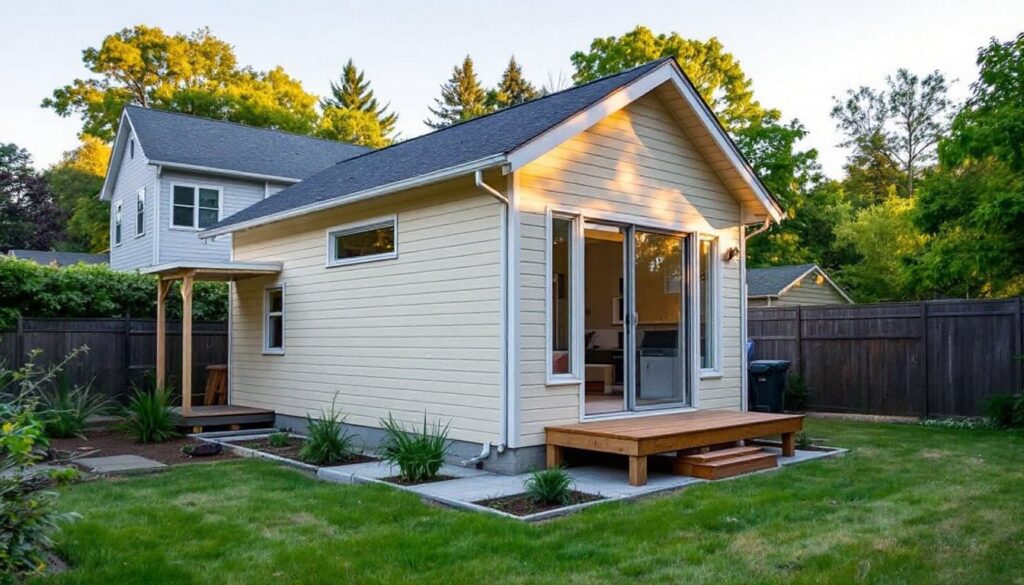
These compounds take several forms: some are owner-built on family land (multigenerational compounds), others are developer-built and offered for sale or rent, and a few operate as cooperative housing where residents own shares. Zoning is critical here, most compounds require special-use permits or cluster-zoning approval because conventional single-family zoning doesn’t allow this density.
Key Benefits of Tiny House Compounds
Affordability and Cost Savings
The entry price for tiny house ownership is significantly lower than a conventional single-family home. A tiny house on a compound lot might run $150,000–$300,000 depending on finish and location, compared to the 2026 median single-family home price of $450,000+ in many markets. Monthly carrying costs, mortgage, property tax, utilities, maintenance, shrink proportionally.
Compound residents also split infrastructure costs. Shared well systems, septic fields, roadways, and landscaping are maintained collectively, reducing per-unit expense. Some compounds pool resources for bulk purchasing of materials, tools, or services. Utility costs drop further because tiny homes have less square footage to heat, cool, and power. A 300-square-foot home consumes roughly one-third the energy of a 1,200-square-foot house, translating to real savings on heating, cooling, and water bills.
Environmental and Sustainability Advantages
Tiny house compounds are inherently greener than sprawling suburban development. Lower per-unit energy consumption, reduced material use during construction, and preserved green space on the property all lower environmental impact. Many compounds incorporate rainwater harvesting, composting systems, or on-site solar arrays, because shared infrastructure makes renewable energy more feasible and cost-effective to install and maintain.
Land use is more efficient. A compound housing 10 families might occupy the same footprint as 2–3 conventional suburban homes, leaving more undeveloped land for wildlife habitat, agriculture, or natural open space. Walkable compound layouts reduce car dependency for day-to-day errands, and some communities organize ride-sharing or car-sharing programs. Water usage drops not just from smaller homes, but from shared landscapes designed for drought resilience and native plantings.
Design and Layout Considerations
Smart site planning makes or breaks a compound. The best layouts cluster homes to minimize road length and maximize walkability. Parking is typically concentrated at the perimeter, so residents walk car-free through the community. Central courtyards or greens become gathering spaces, think benches, a fire pit, or a tool library.
Home orientation matters. Stagger units so windows don’t look directly into neighbors’ yards: use privacy fences strategically at property lines rather than walling off the entire lot. South-facing windows on passive-solar homes reduce heating costs. Rooflines should align reasonably well, nothing says “hodgepodge” like wildly mismatched pitches and materials.
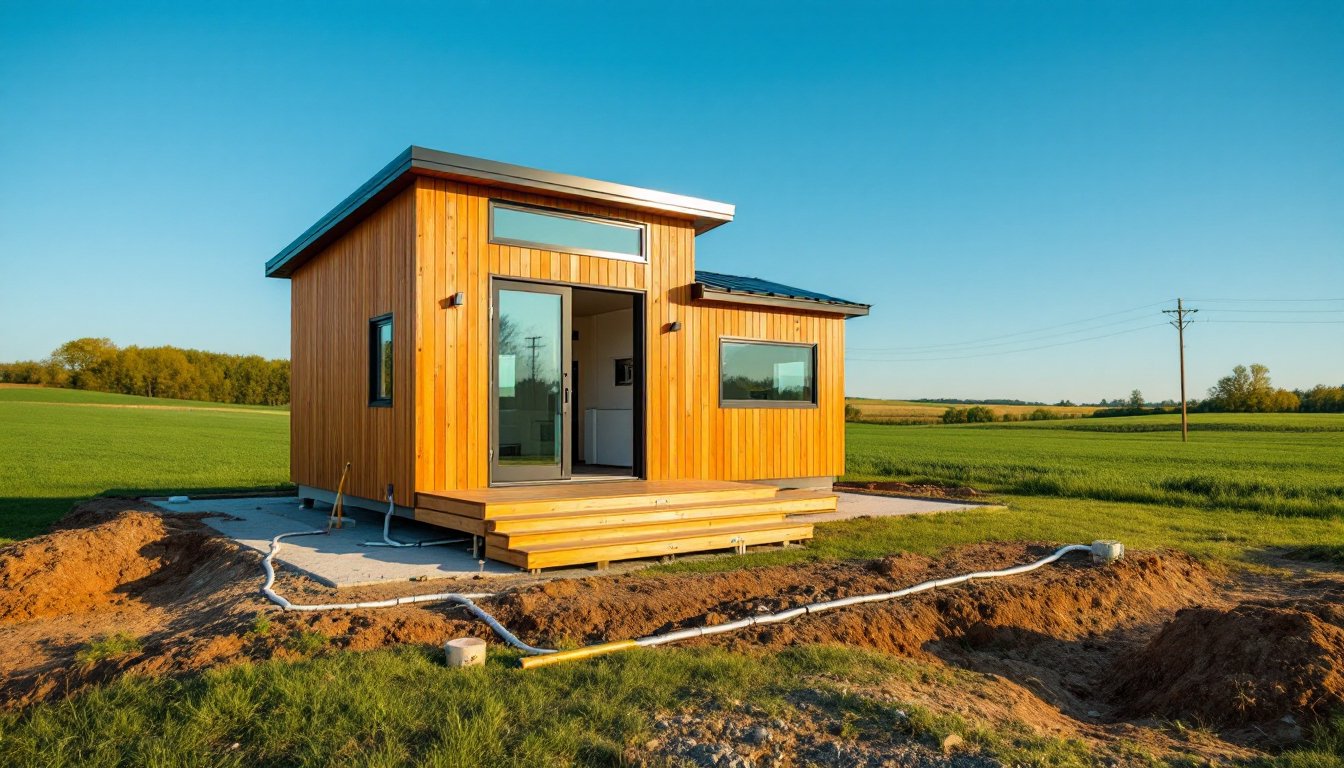
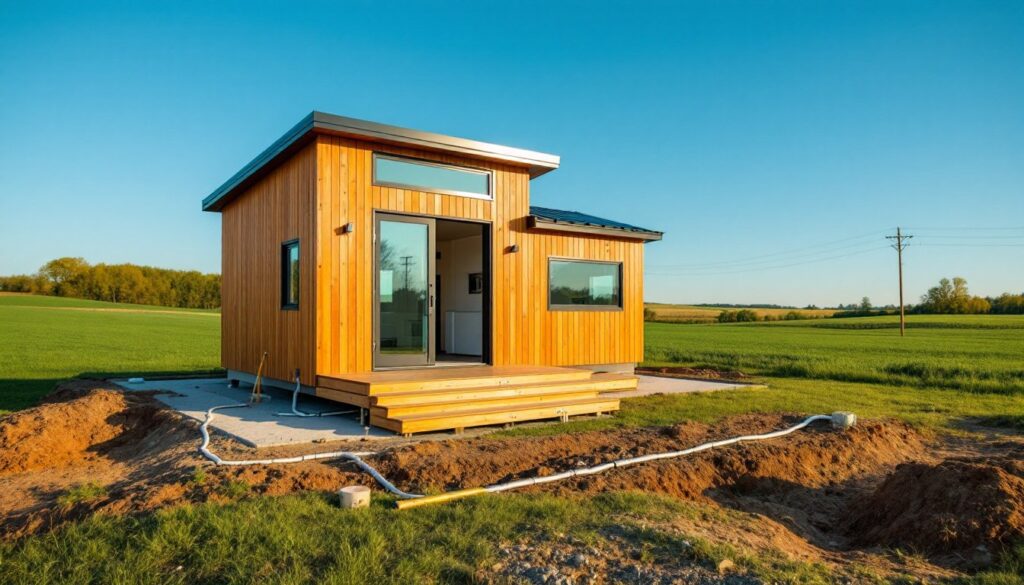
Utility runs are planned from the get-go. A compound shares underground water, sewer, and electrical distribution, reducing per-unit infrastructure cost. Ensure adequate clearance from utility lines to building foundations per local code (typically 10 feet for overhead lines, varying requirements for underground). Street width can be narrower than suburban standards if designed for walking and low-speed traffic, not highway-speed driving.
Drainages, grading, and stormwater management are crucial. Slope sites to avoid pooling around foundations, and consider bioswales or retention ponds for runoff. Depending on soil and local regulations, you may need a professional stormwater engineer. Don’t skimp on this, inadequate drainage causes foundation problems and regulatory violations.
Challenges and How to Overcome Them
Zoning is the biggest hurdle. Most residential zoning allows only single-family homes on single lots. A compound needs a variance, conditional-use permit, or rezoning, a process that can take 6–18 months, involve public hearings, and face neighborhood opposition. Start with municipal planning departments early: understand what’s allowed, what requires a hearing, and what political will exists.
Community dynamics matter. Shared spaces and shared decision-making work only if residents engage respectfully. Establish clear covenants and a governance structure upfront, decide who manages common areas, how maintenance costs are split, and how disputes are resolved. Consider starting with neighbors or friends you trust, or joining an existing intentional community rather than pioneering one solo.
Financing tiny house construction is different from standard mortgages. Some lenders won’t finance homes under 400 square feet: others require the land and structure to be valued and mortgaged together. FHA loans may not cover tiny home loans. Work with lenders experienced in alternative housing before you buy land or start design, don’t assume your bank will come along for the ride.
Building code compliance is stricter than you’d expect. Egress requirements (two means of exit), roof load calculations, foundation depth in freeze-thaw zones, and electrical code all apply regardless of home size. If you’re building, hire a general contractor familiar with tiny homes and local codes, or expect the inspector to flag overlooked details. Permits aren’t optional, they protect your investment and resale value.
Conclusion
Tiny house compounds represent a practical, sustainable, and increasingly viable housing option for the 2026 market. They reduce costs, lower environmental impact, and foster community, but success depends on navigating zoning, choosing the right people, and getting the fundamentals (utilities, drainage, code compliance) right from day one. If you’re considering one, start with your local planning department, connect with existing compound residents, and don’t rush the design and financing phase. The reward, affordable, sustainable, community-centered housing, is worth the legwork.