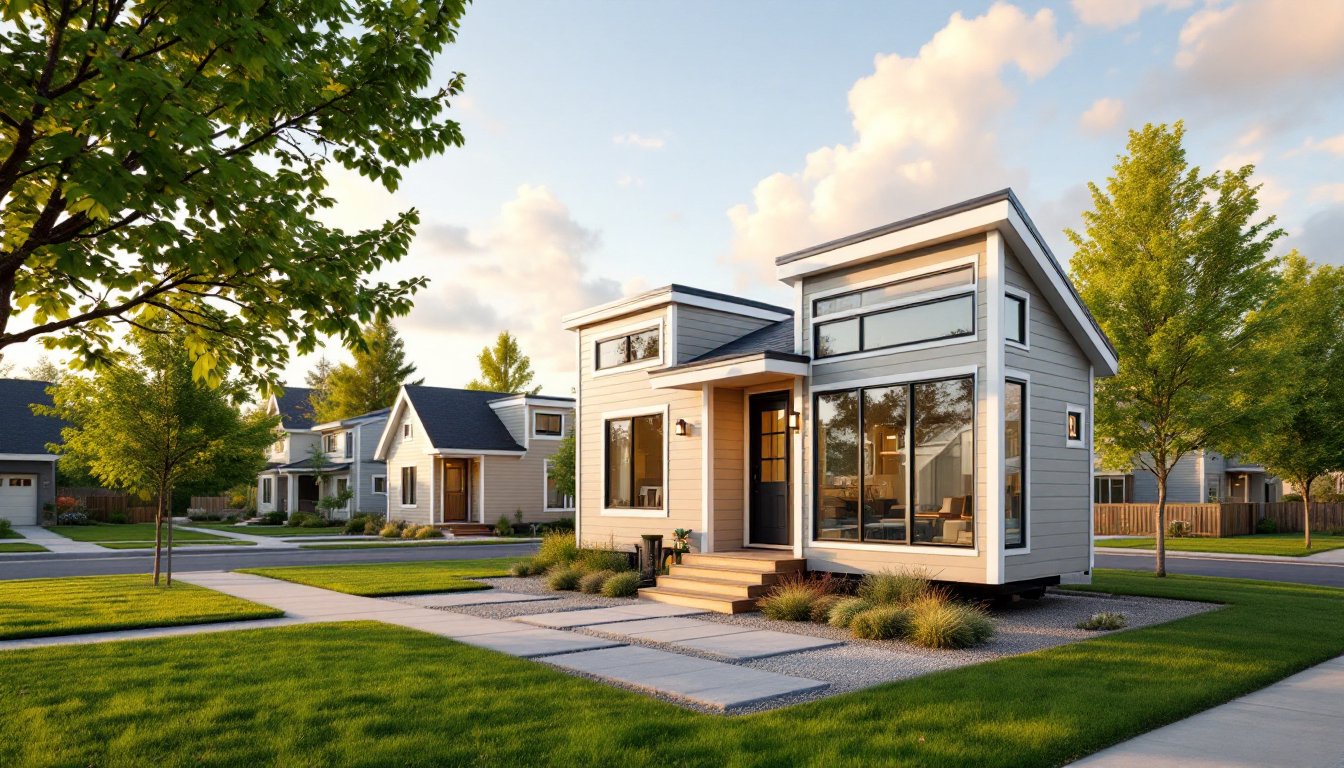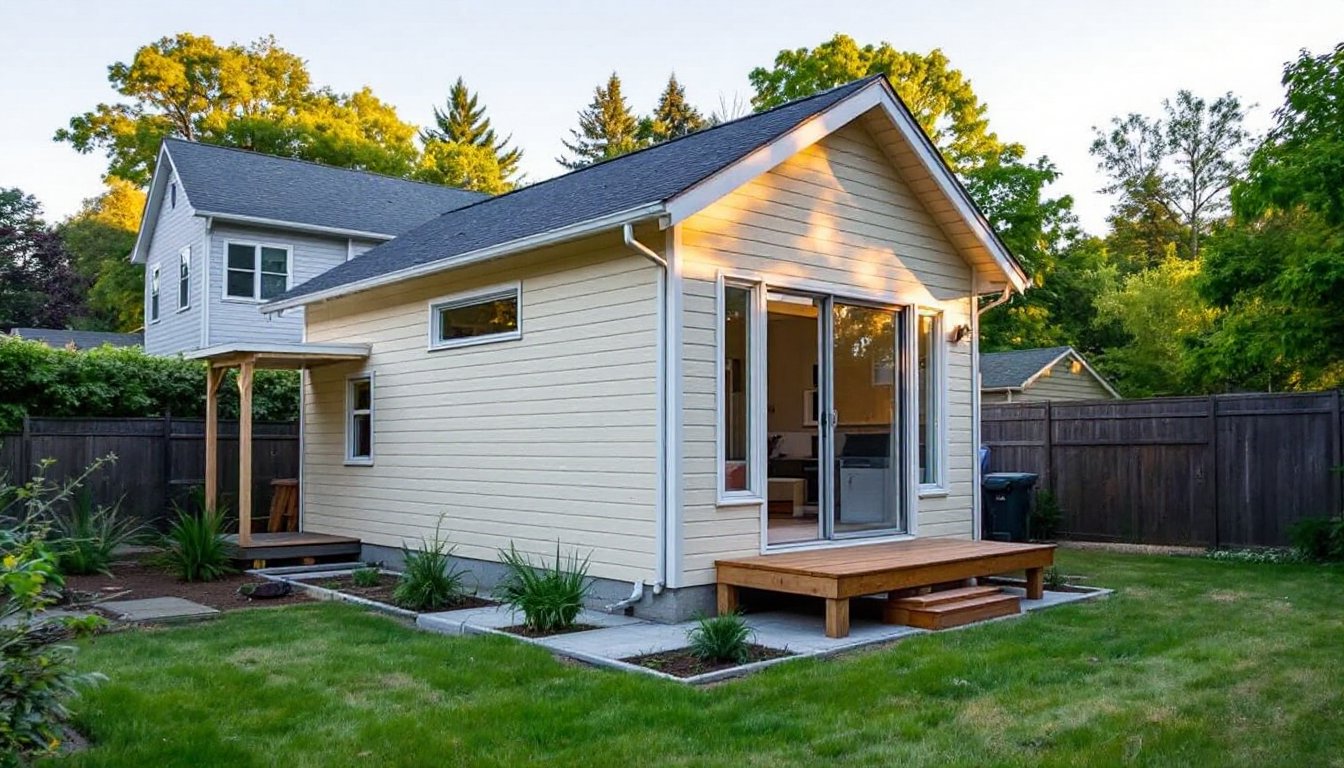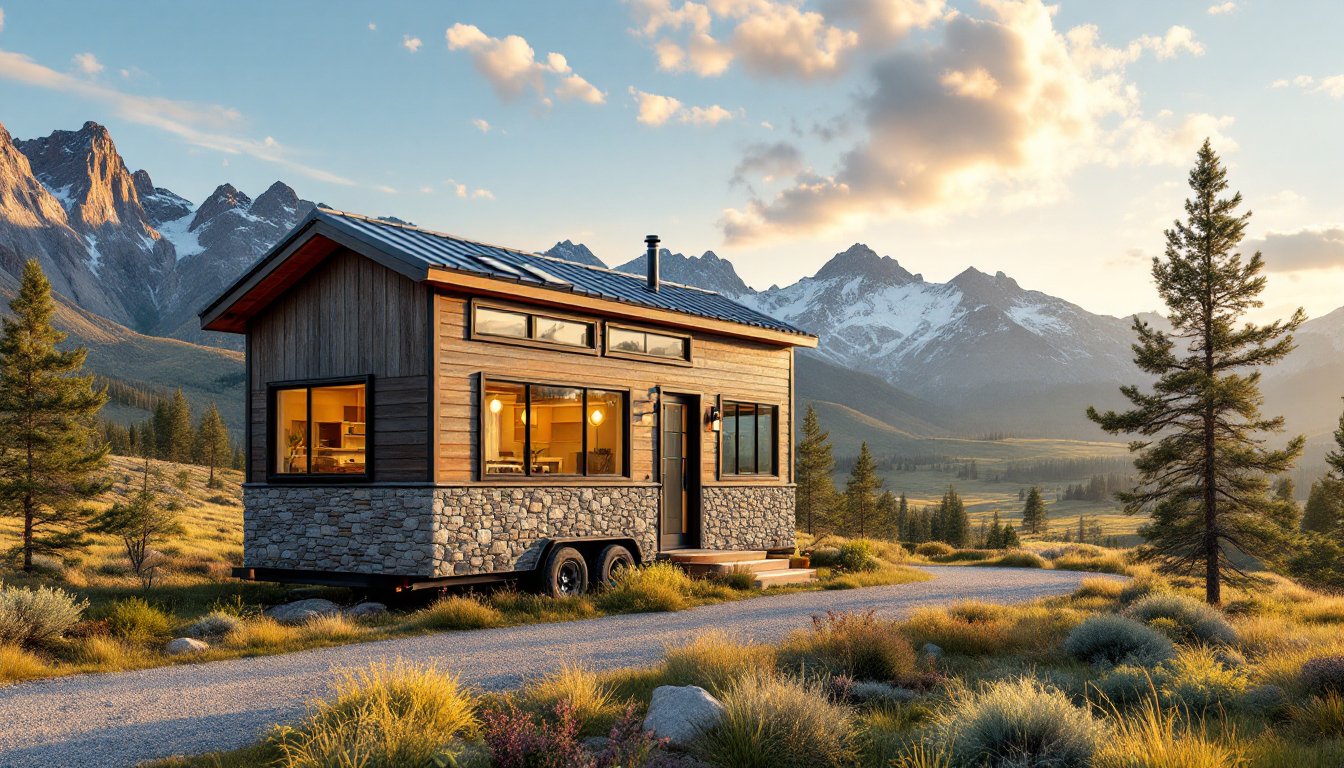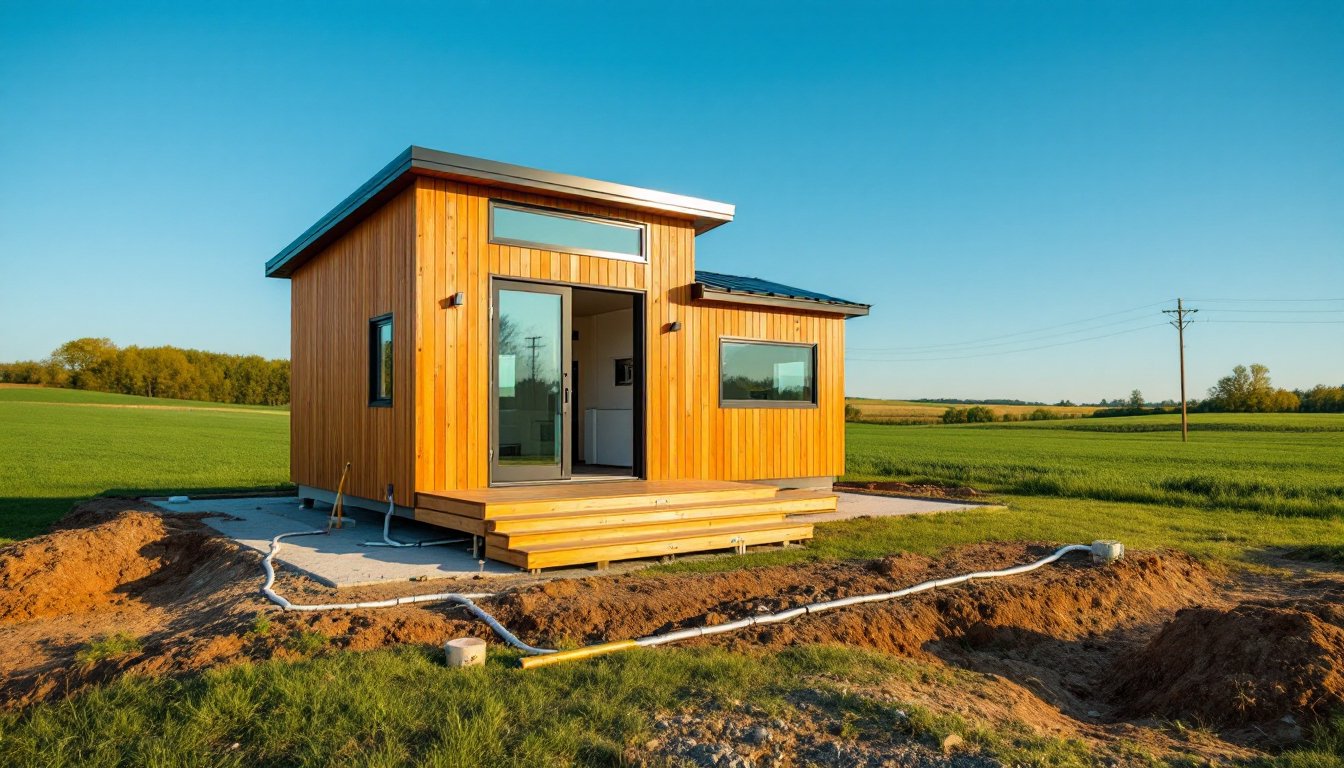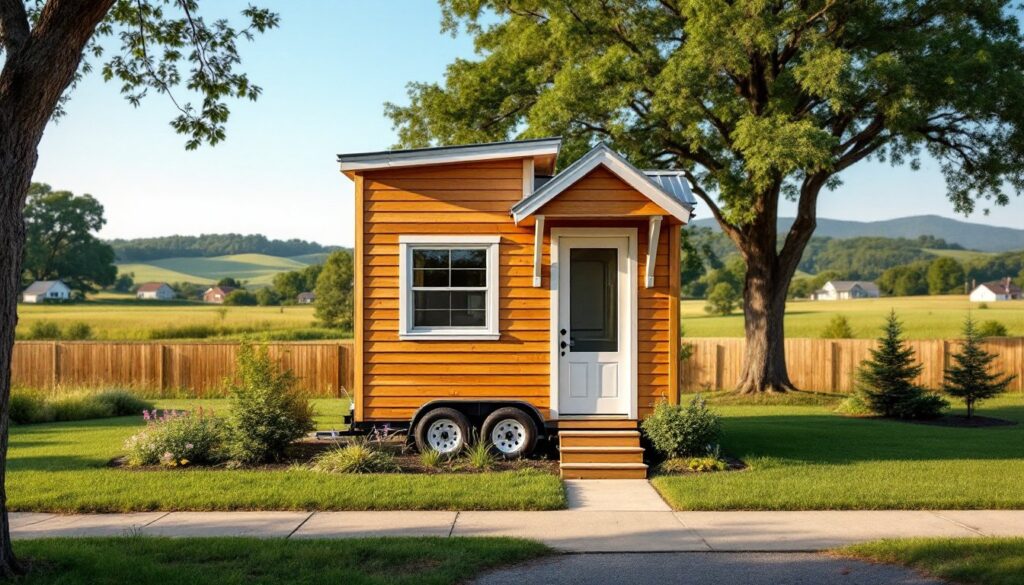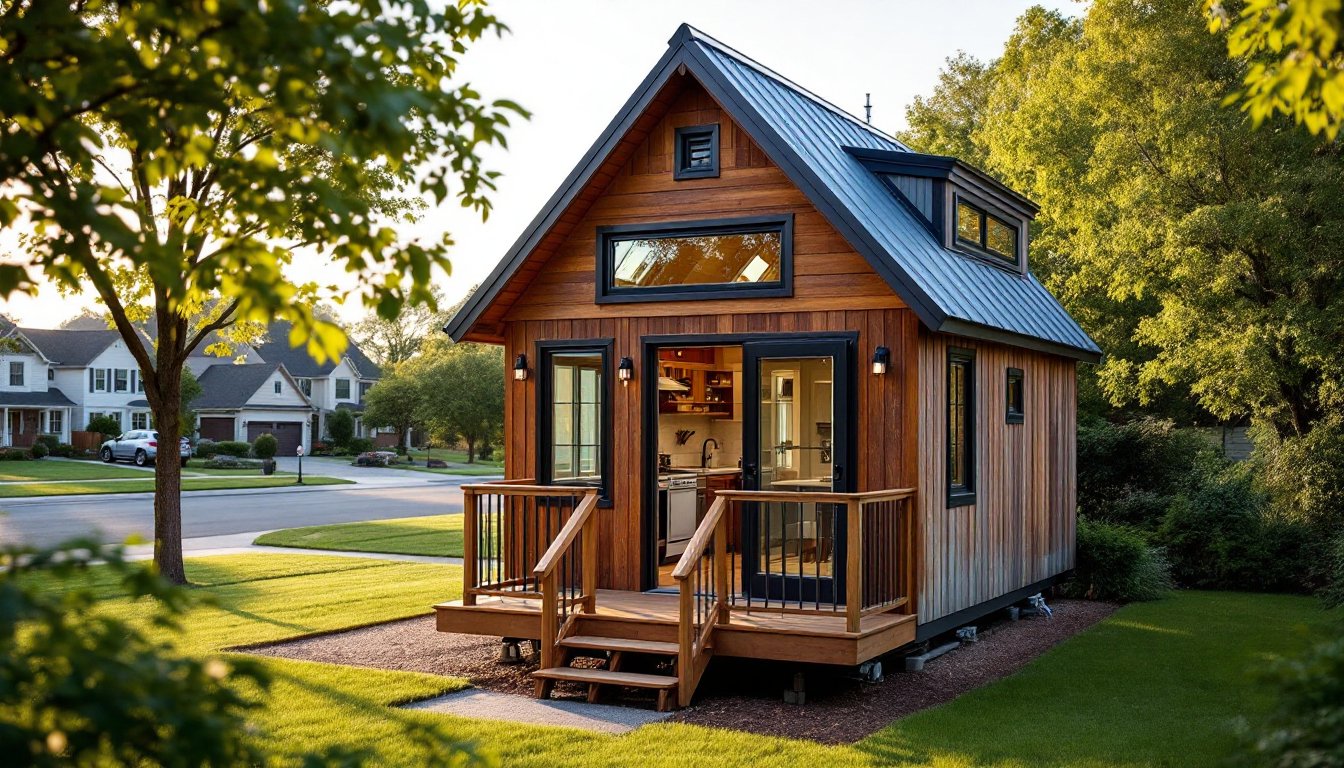

Tiny homes on sheds are one of the fastest-growing affordable housing solutions for people seeking financial independence, mobility, and sustainability. Unlike traditional homes, these structures leverage residential shed foundations and frameworks to create compact living spaces that cost a fraction of conventional housing. Whether built from scratch or converted from an existing shed, tiny homes on sheds offer homeowners the chance to own property outright without decades of mortgage debt. In 2026, demand for alternative housing continues rising as people explore options beyond the traditional residential market. This guide walks through what’s involved, from design decisions to legal requirements.
Table of Contents
ToggleKey Takeaways
- Tiny homes on sheds cost between $30,000 and $80,000 fully finished, a fraction of the median new home price exceeding $450,000, making them an accessible path to property ownership without long-term mortgage debt.
- Design efficiency is critical in tiny shed homes—use open-concept layouts, sleeping lofts, built-in storage, and clustered utilities to maximize functionality in 100–400 square feet.
- Zoning and permit requirements vary dramatically by location; contact your local building department and zoning office in writing before beginning any tiny homes on sheds project to avoid costly legal issues.
- Smaller structures inherently reduce utility bills, property taxes, and maintenance costs while supporting sustainability through lower material use and compatibility with solar panels and rainwater collection systems.
- Plan for 6–18 months to complete a build, hire licensed professionals for electrical and plumbing work, and document all permits, inspections, and receipts to ensure code compliance and future insurability.
What Are Tiny Homes On Sheds?
A tiny home on a shed is a residential structure, typically between 100 and 400 square feet, built on top of a foundation or integrated into a shed-style base. Unlike traditional small houses, these dwellings repurpose or mimic the simple geometry of utility sheds while adding insulation, utilities, and finished living spaces.
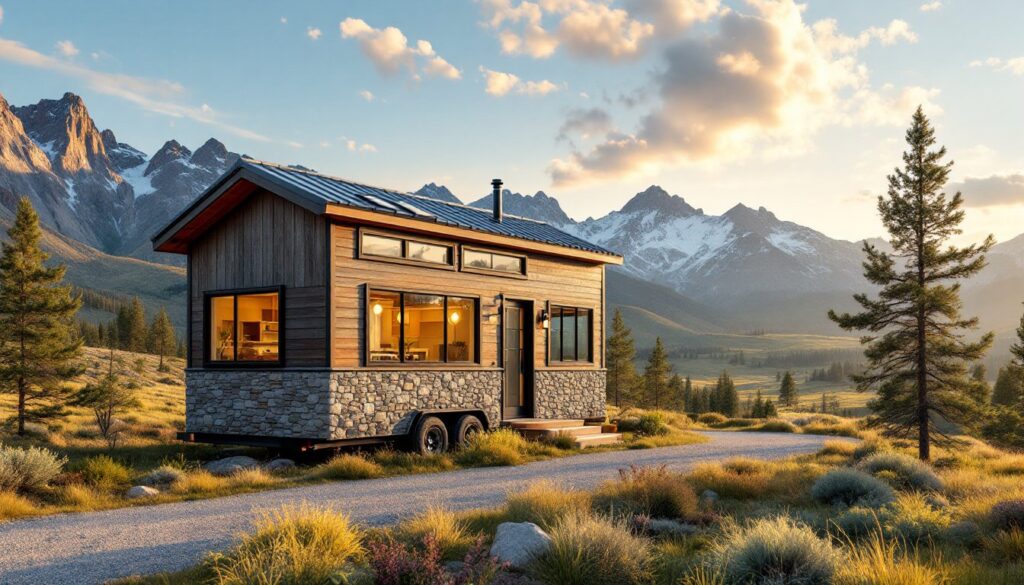
The structure usually features a steep pitched roof (common in shed design), a single floor or lofted space, and minimal footprint. Some are mobile, towed on trailers like RVs: others are stationary and built on concrete pads, gravel bases, or skids. Materials range from reclaimed wood and metal siding to modern composite panels.
Key differences from mobile homes and RVs include heavier construction, permanent utility hookups, and the ability to add real decking, stairs, and expansions without moving them. Most tiny shed homes include a full kitchen, bathroom, sleeping area, and living space squeezed into efficient layouts. Load-bearing walls, studs, and joists follow standard framing practices, though scaled down. The appeal lies in simplicity: fewer materials, shorter build times, and lower overall cost compared to a site-built traditional home.
Key Benefits Of Choosing A Shed-Based Tiny Home
Cost Savings And Affordability
The primary draw is price. A fully finished tiny home on a shed can cost between $30,000 and $80,000 depending on materials, finishes, and whether you build it yourself or hire contractors. Compare that to the median new home price exceeding $450,000 in many U.S. markets. Even DIY-built versions using recycled materials and sweat equity can drop below $20,000.
Lower utility bills follow naturally from reduced square footage. Heating and cooling a 200-square-foot space costs significantly less than a 2,000-square-foot house. Property taxes, homeowners insurance, and maintenance expenses scale down proportionally. Many owners report breaking even on their investment in under a decade.
Minimal Environmental Impact
Smaller structures demand fewer raw materials, less lumber, concrete, drywall, and roofing. Energy consumption is inherently lower. Shed-style homes often incorporate reclaimed wood, salvaged windows, and secondhand fixtures without sacrificing functionality.
For environmentally conscious builders, integrating solar panels, rainwater collection systems, and composting toilets is straightforward on a compact footprint. The reduced carbon footprint during construction and over the home’s lifetime appeals to homeowners prioritizing sustainability. Some tiny shed communities integrate green roofs and shared gardens, further lowering environmental costs.
Design And Layout Considerations
Efficient layout is everything in a tiny home. Open-concept living combines kitchen, dining, and living areas without walls, creating a sense of space. A sleeping loft above uses vertical real estate without expanding the footprint. Stairs should be sturdy and safe, building codes require handrails and 7-foot minimum headroom in habitable spaces.
Storage demands planning. Built-in cabinets, under-bed drawers, overhead shelving, and closets prevent clutter from overwhelming tight quarters. Plumbing stacks, toilet, shower, and sink, should cluster in one area to minimize pipe runs and complexity.
Ventilation matters more in compact spaces. Moisture from showers and cooking concentrates quickly. Ridge vents, gable vents, or operable windows are essential. Install drywall or paneling with proper moisture barriers: avoid cheap particle board in wet areas.
Choose durable, easy-to-clean finishes. Vinyl plank flooring (not real hardwood, which swells in humidity) works well. Light colors, soft whites, pale grays, make small spaces feel larger. Large windows and skylights add perceived volume and natural light without adding square footage.
Think through utilities placement before framing. Electrical panels, water heaters, and HVAC equipment need accessible, code-compliant locations. In a 150-square-foot interior, poor planning creates service nightmares.
Zoning, Permits, And Legal Requirements
This is where dreams often crash. Local zoning laws vary wildly. Some jurisdictions allow tiny homes on residential lots: others ban structures under a certain square footage or classify them as temporary. ADU (Accessory Dwelling Unit) laws are becoming friendlier in states like California, Oregon, and Washington, but rural areas remain unpredictable.
Permits typically required include building, electrical, plumbing, and mechanical. Lenders and insurers want evidence the structure meets local codes. Mobile-based tiny homes may require RV certifications from RVIA (Recreational Vehicle Industry Association) instead of traditional building permits, different standards altogether.
Setback requirements (distance from property lines), foundation depth, snow load ratings, wind resistance, and elevation above flood plains all depend on location. Manufactured structures must meet HUD code: site-built tiny homes follow International Residential Code (IRC) standards adapted locally. Some counties mandate foundation inspections, framing inspections, electrical rough-in inspections, and final approval.
Before designing or building, contact your local building department and zoning office. Ask explicitly: “Can I build a 200-square-foot residence on this lot?” Get answers in writing. Check county assessor records for deed restrictions that might prohibit it. Skipping this step courts legal trouble and financial loss. An expensive structure built without permits can’t be legally occupied, insured, or financed.
Making Your Tiny Shed Home A Reality
Start with a detailed plan. Sketch layouts, measure spaces, and verify dimensions fit your needs. Allocate rough budgets for site prep, materials, labor, permits, and contingencies. Many first-time builders underestimate timelines by 30%, plan for 6 to 18 months depending on scale and whether you’re building or converting.
If converting an existing shed, assess the frame. Verify studs are straight, joists aren’t rotted, and the roof structure is sound. Poor framing requires costly reinforcement. Start with a thorough inspection, hire a local carpenter or contractor for an hour to evaluate structural integrity.
Material ordering matters. Lumber and composites are affected by market swings and lead times. Buy quality insulation (R-19 minimum for walls, R-30+ for roofs in cold climates). Use exterior-grade plywood and proper underlayment to prevent moisture failures that plague budget builds.
Safety isn’t optional. Wear safety glasses, work gloves, and a dust mask when cutting and handling wood. Use hearing protection around power tools. Fall protection is critical for roofing and loft framing. Verify electrical work with a licensed electrician, mistakes cause fires.
Seek help. Most owners succeed with a mix of DIY labor and hired specialists for electrical, plumbing, and HVAC rough-in. Facebook groups, online forums, and local tiny home groups offer peer support and troubleshooting. Don’t hesitate to hire professionals for tasks outside your skill set, structural issues and code violations are expensive to fix later.
Document everything: permits, inspections, receipts, photos. This creates a paper trail for future sales, insurance, and disputes. It also teaches you what worked and what didn’t, invaluable for the next project.