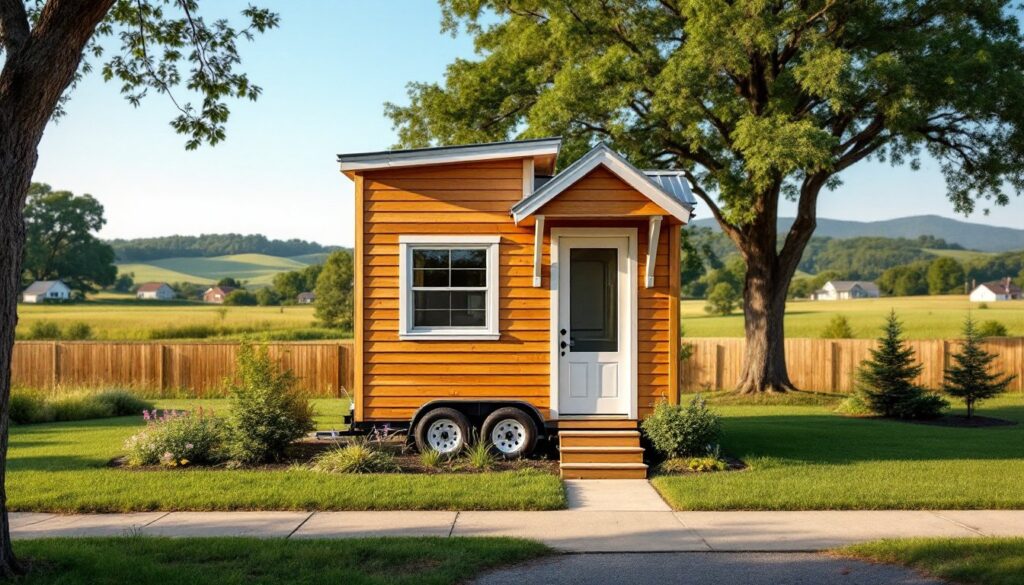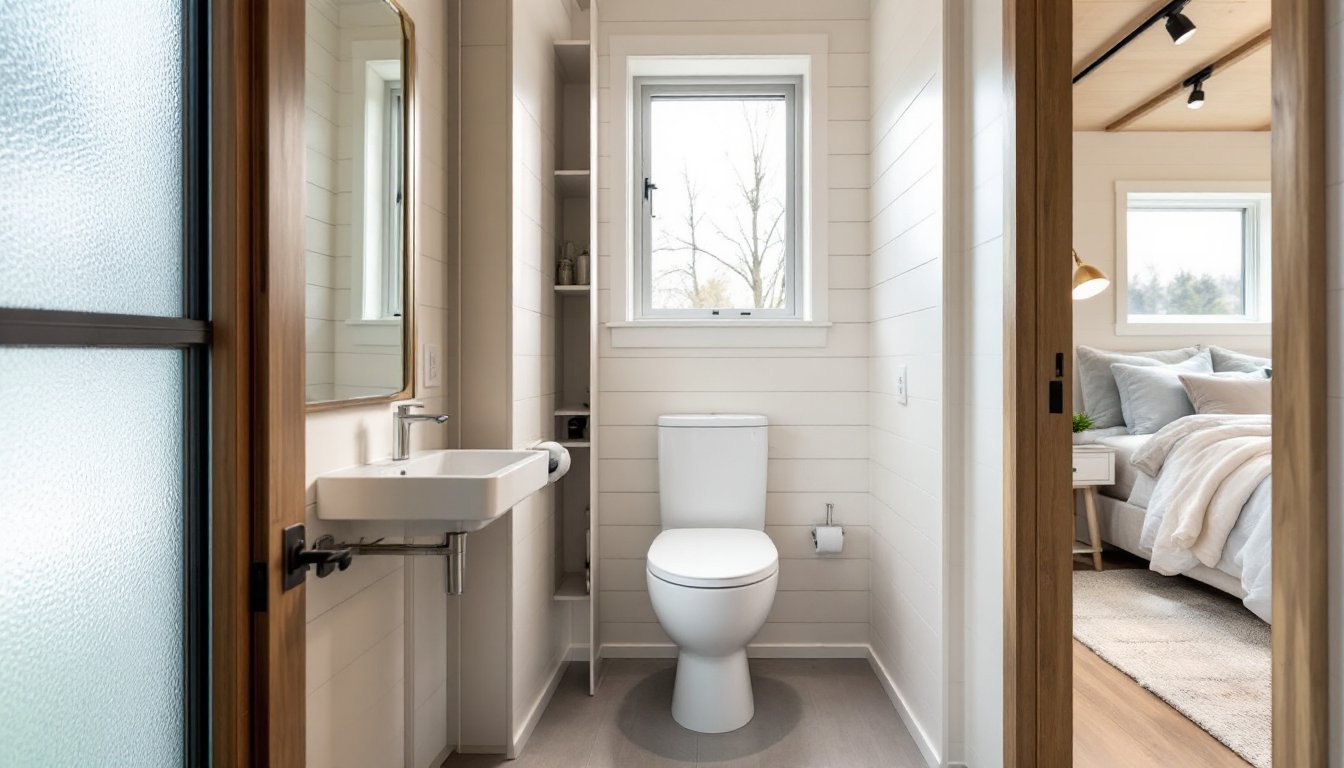

Tiny house living means rethinking every square inch, and the toilet is no exception. A standard 30-inch bathroom vanity and traditional flush toilet can eat up precious floor space in a compact home, leaving little room for storage, movement, or comfort. Fortunately, the tiny house movement has sparked innovation in toilet design, with options ranging from low-flow dual-flush models to composting and incinerating systems. Each type offers distinct advantages depending on water availability, waste management infrastructure, and personal priorities. This guide walks through the main options, installation considerations, and costs so owners and builders can choose a toilet that fits their space, lifestyle, and budget without sacrificing functionality or dignity.
Table of Contents
ToggleKey Takeaways
- Tiny house toilet options range from low-flow dual-flush models ($200–$600) to composting systems ($800–$3,500), each offering distinct advantages for space, water usage, and lifestyle needs.
- Composting toilets eliminate water consumption and sewer dependencies, making them ideal for off-grid tiny houses, though they require proper ventilation, regular maintenance every 3–6 months, and careful odor management.
- Wall-mounted and round-bowl toilets maximize bathroom floor space by reclaiming 2–3 inches compared to standard fixtures, while vertical designs like the Separett Tiny fit narrow spaces without sacrificing functionality.
- Low-flow dual-flush toilets pay for themselves in 2–4 years through water and sewer savings alone, reducing household consumption by 50–80% while maintaining the familiar flush experience.
- Proper ventilation through a 4-inch PVC vent stack is non-negotiable for odor control and mold prevention in compact bathrooms, whether using composting or traditional systems.
- Plan rough-in work and plumbing modifications during initial construction rather than retrofitting later, as mistakes require opening walls and significantly increase labor costs.
Types Of Tiny House Toilets
Composting Toilets
Composting toilets are popular in off-grid and eco-conscious tiny houses because they require no plumbing connection and produce zero water waste. They work by separating solid and liquid waste, using sawdust, coconut coir, or peat moss to accelerate decomposition. The solid waste composts over months to a benign, soil-like material suitable for landscaping (though not food gardens in most jurisdictions).
A quality composting toilet typically costs $800–$3,500 installed, depending on capacity and brand. Models like the Nature’s Head (waterless, compact) and Separett Tiny (vertical design, ~15 inches wide) fit tight spaces well. The key advantage: zero water consumption and no septic or municipal sewer needed. The trade-off is regular maintenance, emptying the solids bin every few months and managing the liquid reservoir, which fills faster than most expect.
Composting toilets aren’t odorless without effort. Proper ventilation (a 4-inch PVC vent stack to the roof) and occasional additions of carbon material keep smells minimal. Some owners use a small solar fan ($30–$80) to boost air circulation. The system works best in dry climates: humid environments can slow decomposition and create moisture issues.
Incinerating And Waterless Options
Incinerating toilets burn waste at high temperature, reducing it to ash that occupies minimal space. They’re rare in tiny homes because they require 110V or 120V electrical power and generate heat, but they eliminate odor and composting maintenance entirely. Costs run $1,500–$3,000 installed. Models like the Cinderella system are durable, though electricity consumption (roughly 1 kWh per use) adds operating costs.
Waterless toilets (distinct from composting models) are low-profile fixtures that use minimal or no water, relying on physical separation or chemical treatment. Some dual-flush models consume as little as 0.8 gallons per flush versus the older 3.5–7 gallon standard. A low-flow dual-flush toilet ($200–$600) paired with modern plumbing is often the simplest retrofit for tiny houses still connected to septic or municipal systems. These preserve the familiar flush experience while cutting water use by 50–80% over time.
Space-Saving Features That Matter
Footprint and height are critical in tiny house bathrooms. Standard toilets measure about 30 inches wide and 27–30 inches deep: many tiny house options shrink these dimensions considerably.
Compact and corner designs are game-changers. Elongated bowls (standard 17 inches front-to-back) can be swapped for round bowls (14–15 inches), reclaiming 2–3 inches of floor space. Wall-mounted toilets hang 16–18 inches from the wall, leaving the floor open for visual spaciousness and easier cleaning. They require reinforced in-wall framing (usually a steel carrier bracket bolted to studs) and additional plumbing rough-in, so plan this during renovation, not retrofit.
Vertical composting models maximize unused vertical space. The Separett Tiny, for instance, stands only 15 inches wide but reaches 27 inches tall, fitting neatly beside a shower or under a sloped ceiling. Height matters less in tiny houses than footprint, so tall-and-narrow designs work well.
Closet-style pocket doors (24–30 inches wide) replace swing doors in many tiny bathrooms, eliminating the arc a traditional door needs to open. Combined with a low-profile tank (if using a traditional toilet), this arrangement can fit a functional bathroom into 35–50 square feet.
Ventilation also affects perceived space. A ducted fan venting to the outside (not into an attic) keeps humidity low, preventing mold and moisture damage in tight quarters. Budget 2–3 hours and $150–$400 for a proper fan with ducting if none exists.
Installation And Maintenance Essentials
Installation complexity depends on the toilet type. A traditional low-flow flush toilet on existing plumbing is straightforward: turn off water, unbolt the old bowl, scrape the wax ring, install a new ring, bolt down the new unit, and reconnect the water line, typically 1–2 hours and well within DIY reach.
Wall-mounted toilets require more planning. The rough-in must be done before drywall. A carrier bracket (sold separately, $40–$100) anchors to studs, then plumbing and waste lines tie in behind the wall. Concealing the tank and lines demands careful framing. Mistakes here mean opening walls later, so hire a licensed plumber if you’re uncertain about rough-in height, slope, and vent routing.
Composting toilets have no plumbing but need good ventilation. A 4-inch PVC vent stack running up an exterior wall or through the roof prevents odor buildup. Insulate the vent in cold climates to avoid condensation. Most composting toilet manufacturers provide installation guides: basic carpentry skills suffice.
Maintenance timelines vary significantly. Composting systems need emptying every 3–6 months (depending on usage and model). Liquid waste goes to a drain or gray-water system. Solid waste, once fully decomposed (6–12 months), becomes yard mulch. Incinerating toilets produce ash weekly or monthly: collect it in a small sealed bin. Waterless and low-flow flush toilets require standard periodic cleaning and, occasionally, tank repairs (flapper valves, fill mechanisms) over their 10–15 year lifespan.
Safety matters. Wear nitrile gloves when handling composting waste, and use a dust mask when opening settled solids to prevent inhalation of mold spores. Ventilation is non-negotiable for health.
Cost Considerations And Long-Term Value
Upfront costs vary widely. A standard low-flow dual-flush toilet costs $200–$600 and doesn’t require special installation if plumbing exists. Wall-mounted models ($400–$1,200 for the fixture alone) demand rough-in modifications and professional installation, easily pushing total cost to $1,500–$2,500.
Composting toilets range $800–$3,500 all-in, with DIY installation on the low end and professional setup on the high end. Incinerating toilets run $1,500–$3,000. These prices seem steep until you factor operating costs over 15–20 years.
Water savings are substantial. A family using a standard 1.6 GPF (gallons per flush) toilet generates roughly 100 gallons per day in toilet water alone. A low-flow dual-flush at 0.8 GPF cuts that in half. Over a year, that’s 18,000 gallons saved. If municipal water costs $3–$5 per 1,000 gallons (plus sewer charges, often equal to water), a dual-flush toilet pays for itself in 2–4 years through utility savings alone.
Off-grid systems (composting, incinerating, waterless) eliminate water and sewer infrastructure entirely. No septic pumping ($250–$500 every 3–5 years) and no municipal sewer bills mean recouping investment faster, especially over a 20+ year ownership period. A composting toilet’s modest annual maintenance cost (sawdust, occasional repairs, maybe a replacement fan) stays under $100.
Resale considerations matter. Buyers accustomed to standard plumbing may balk at composting toilets, potentially complicating future sales. Dual-flush low-flow toilets, by contrast, feel familiar and appeal to eco-conscious buyers, supporting resale value. Factor local market preferences when choosing.
Conclusion
The right toilet for a tiny house balances space efficiency, water usage, cost, and personal comfort. Low-flow dual-flush models suit owners connected to conventional plumbing and prioritizing simplicity. Composting and waterless systems shine in off-grid settings or where water scarcity is a concern, accepting more maintenance in exchange for independence and sustainability. Whatever you choose, invest in proper ventilation and plan rough-in work during initial construction, retrofitting later costs more and creates headaches. Start with your site’s water and waste infrastructure, measure your bathroom footprint carefully, and test-sit a toilet before committing. A well-chosen toilet becomes invisible: a poorly chosen one becomes a daily frustration in a space where frustrations linger.