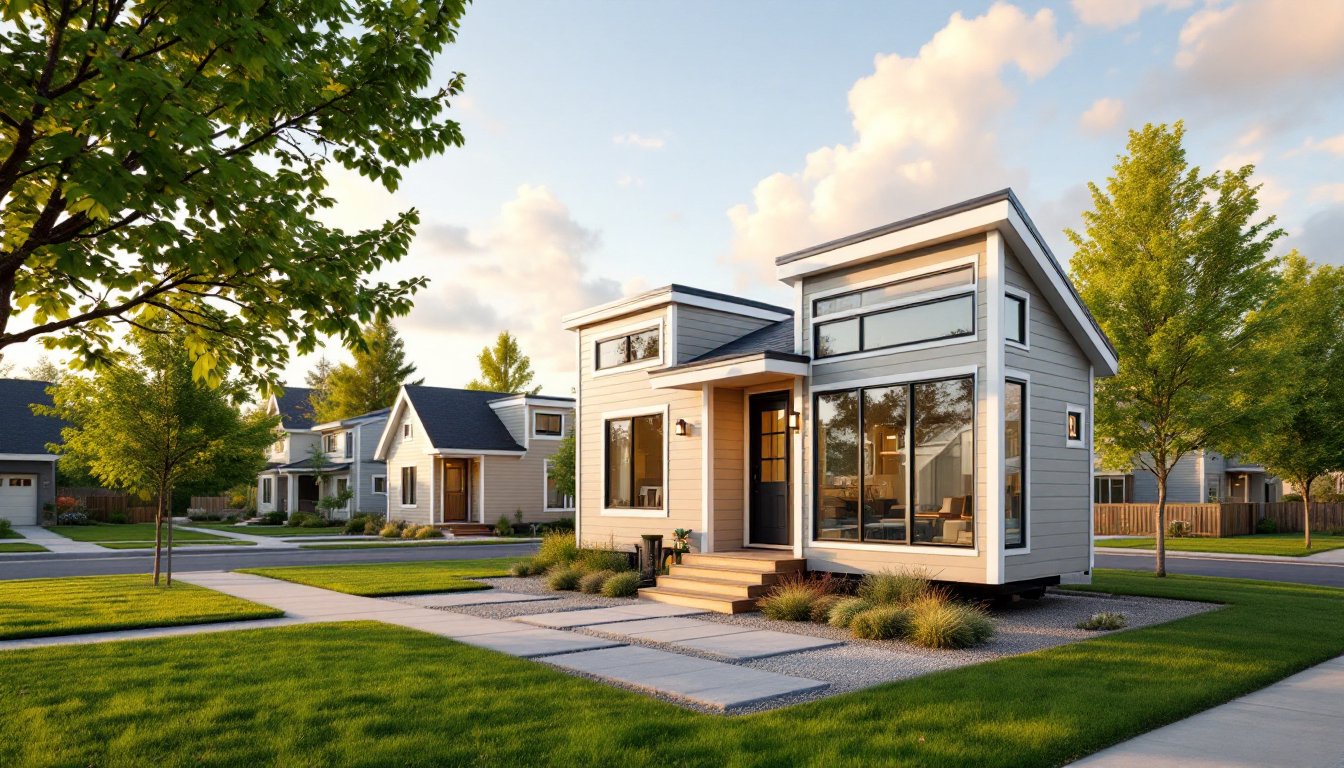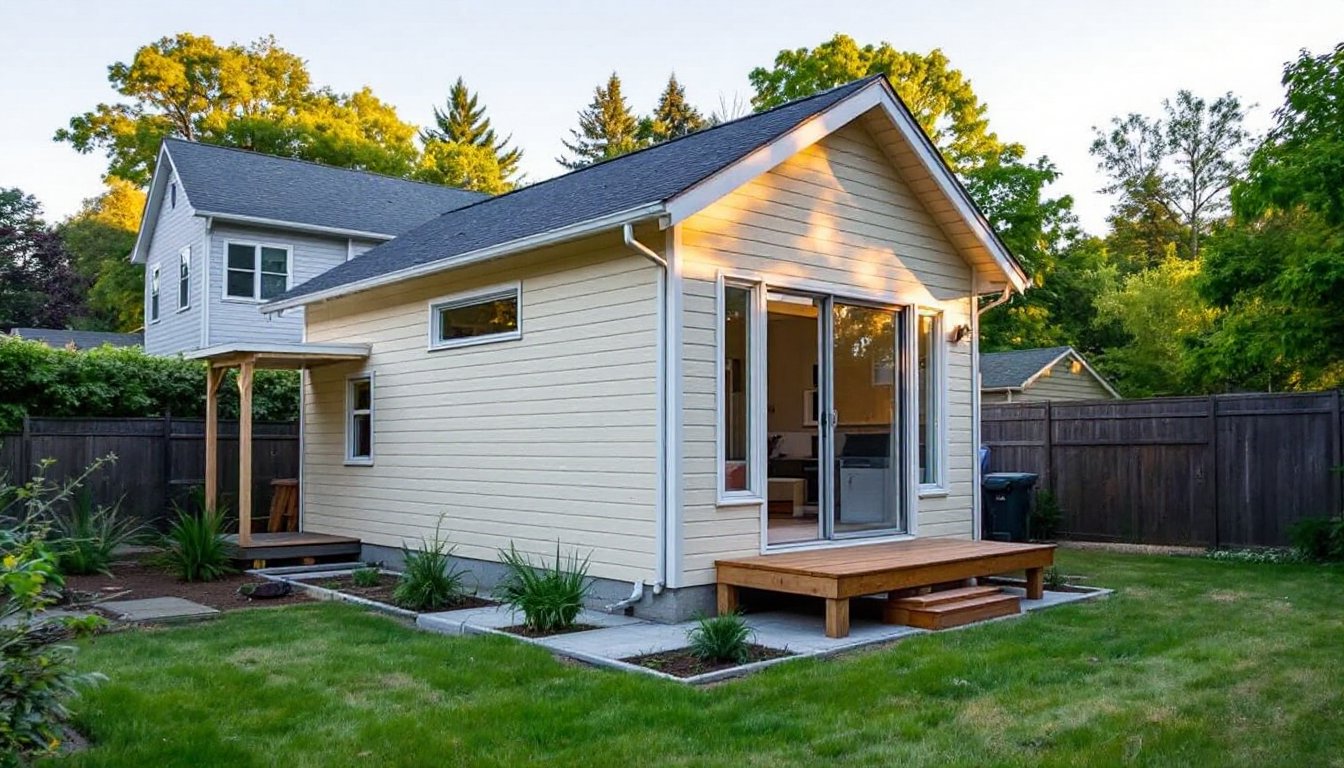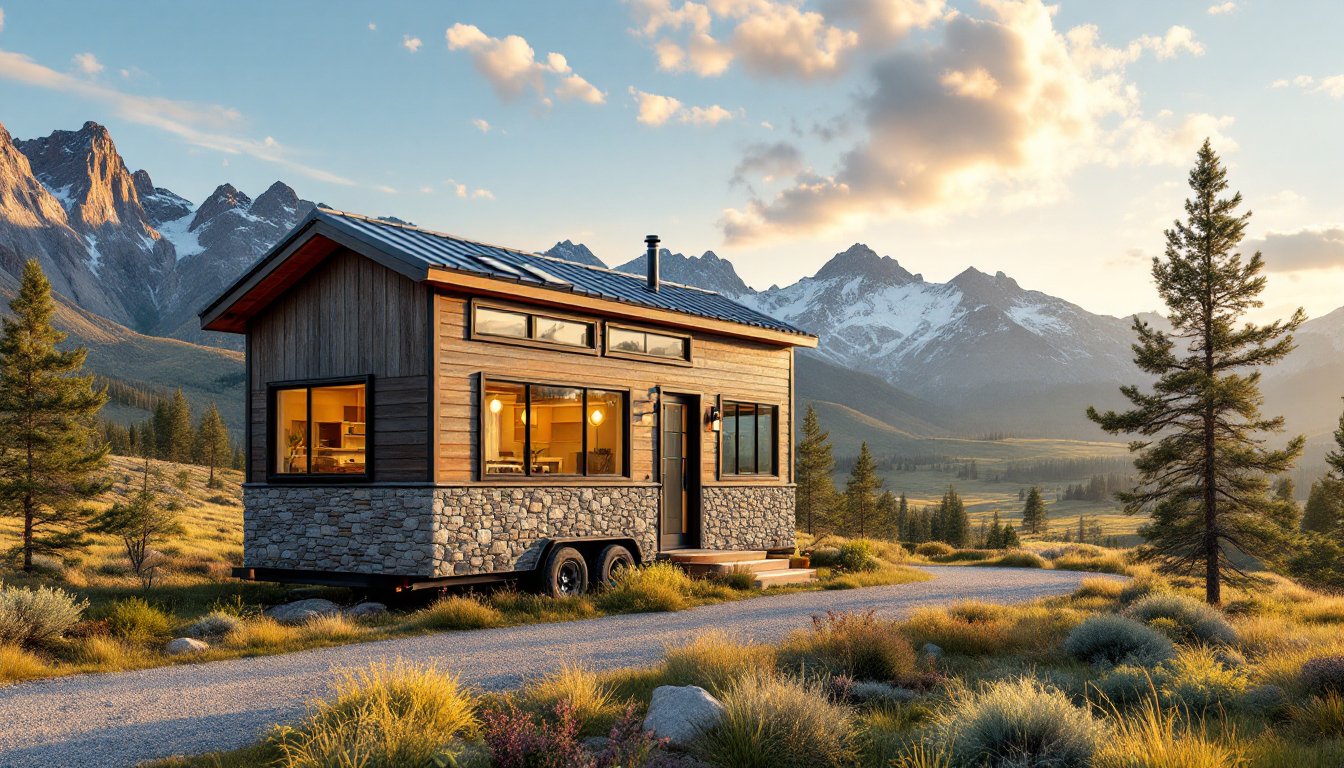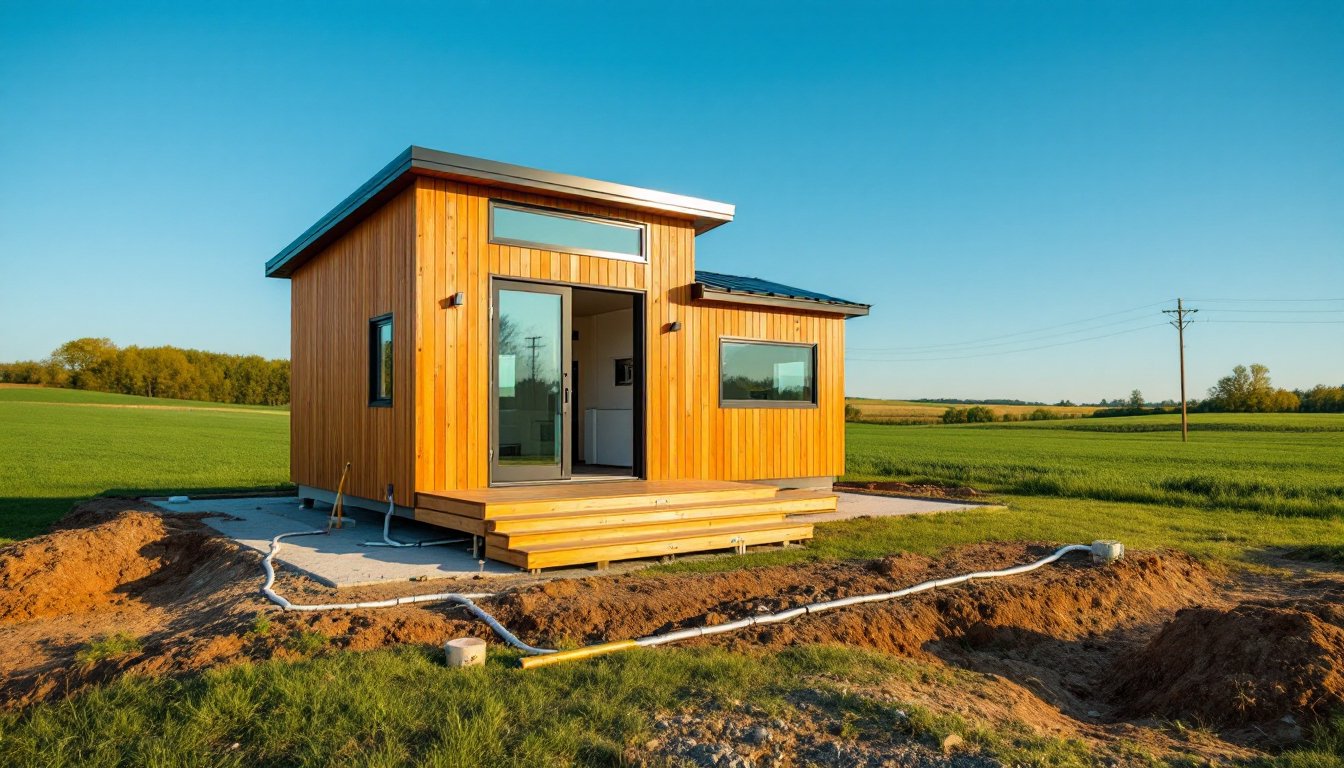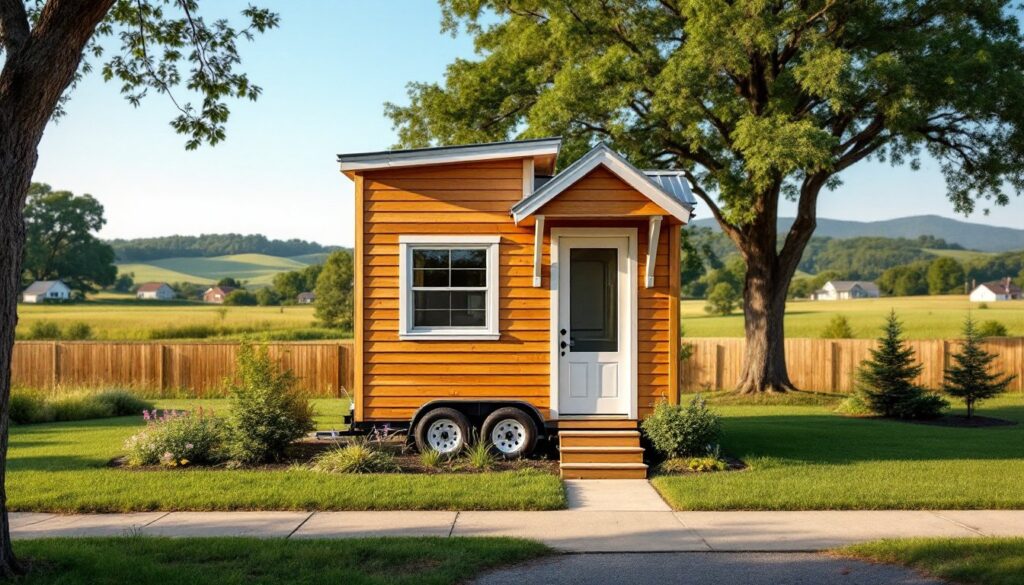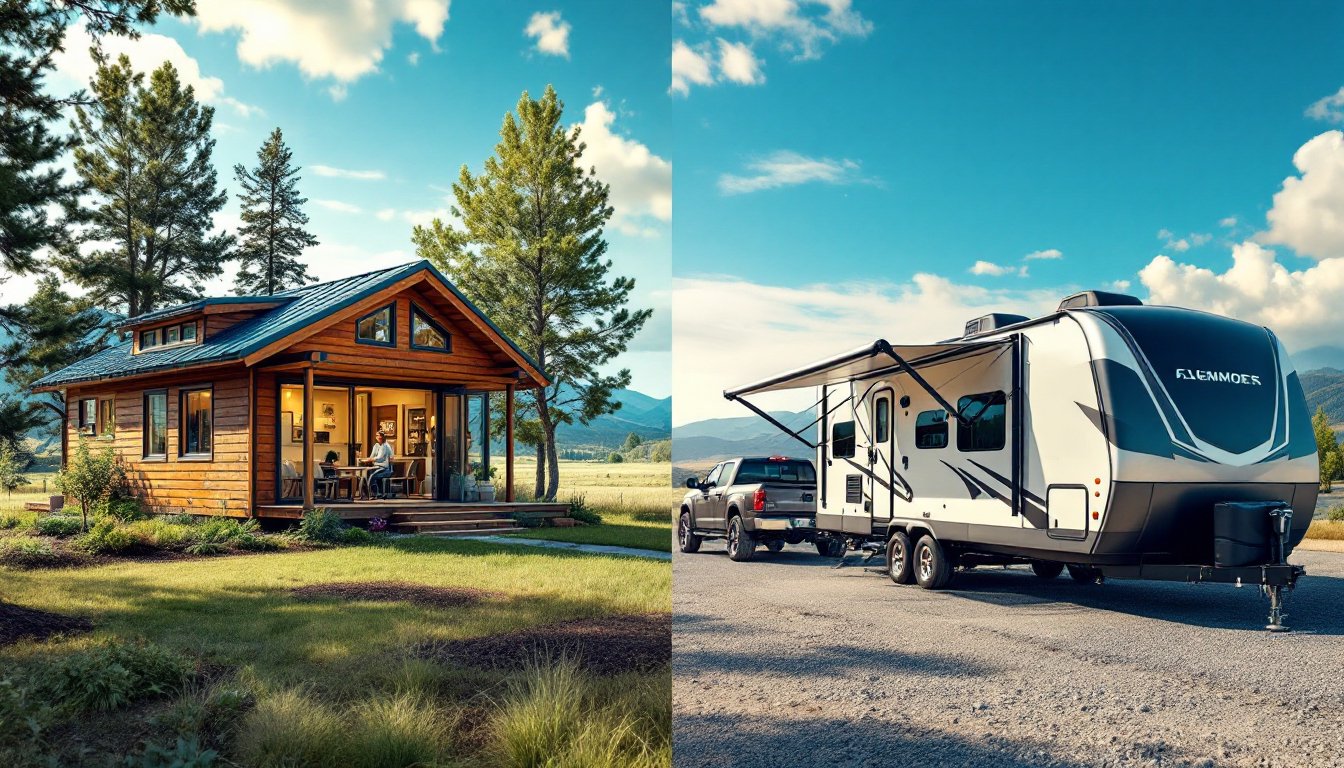

The affordable housing conversation has shifted dramatically over the last few years. Instead of chasing the traditional single-family home, more people are considering downsized alternatives, and two options keep rising to the top: tiny houses and 5th wheels. Both promise lower costs, reduced maintenance headaches, and a simpler lifestyle. But they’re fundamentally different in how you build, occupy, and use them. A tiny house is a permanent or semi-permanent dwelling on a foundation: a 5th wheel is a towed RV designed for mobility. Your choice depends on where you want to plant roots, what your budget allows upfront, and how much life flexibility matters to you. Let’s break down the real differences so you can make an well-informed choice.
Table of Contents
ToggleKey Takeaways
- Tiny houses range from $60,000–$150,000 with added land costs, while 5th wheels start at $25,000–$100,000 but accrue monthly lot fees; over 20 years, owned tiny house land eliminates rent, making it more cost-effective long-term.
- A 5th wheel is designed for mobility and allows seasonal relocation, whereas a tiny house requires permanent foundation placement and costs $5,000–$15,000 to move, making it ideal for those seeking stability rather than frequent travel.
- Tiny houses offer superior livability for full-time residents with higher ceilings (8–12 feet), full-size appliances, and open layouts, while 5th wheels provide compact efficiency suited for short-term stays and outdoor-focused lifestyles.
- Zoning restrictions heavily favor 5th wheels as recreational vehicles, while tiny houses often face minimum square-footage requirements and foundation regulations that vary by jurisdiction—consult a local zoning official before purchasing.
- Tiny house maintenance mirrors traditional home upkeep ($500–$2,000 annually), whereas 5th wheel ownership requires specialized RV repairs ($1,000–$3,000 yearly) and suffers depreciation like vehicles rather than building equity.
- Choose a tiny house if you want a rooted, long-term home base with potential to build equity, or a 5th wheel if you prioritize mobility, minimal commitments, and the freedom to explore different locations seasonally.
Cost Comparison: Initial Investment and Long-Term Expenses
The price tag is often the first thing prospective owners check, and this is where tiny houses and 5th wheels diverge sharply.
Tiny house costs typically range from $60,000 to $150,000 for a new build, depending on finishes and size. If you go fully custom, expect $150,000 to $250,000+. Used tiny homes drop the entry point to $40,000 to $80,000. Remember: you’re also buying or leasing the land it sits on, which can add $500 to $2,000+ monthly depending on your region.
5th wheel prices start around $25,000 for used models and climb to $60,000 to $100,000 for new ones. A premium modern model with high-end appliances and insulation runs $100,000 to $150,000. The major cost difference: you don’t need to own land. Monthly lot fees at RV parks range from $300 to $1,500 depending on location and amenities.
Long-term, the math shifts. A tiny house on owned land stops accruing lot rent after the mortgage is paid, typically 10 to 20 years. Property taxes and maintenance (roof, siding, foundation) remain but are often lower than traditional homes. A 5th wheel monthly costs compound: lot fees, propane, fuel (if you move frequently), and ongoing RV-specific maintenance add up. Over 20 years, a 5th wheel can cost significantly more even though the lower upfront price.
Tax implications matter too. Tiny houses on land may qualify for homestead exemptions and primary residence status in some states. 5th wheels are classified as personal property in many jurisdictions, affecting insurance and tax treatment. Consult a tax professional before deciding.
Mobility and Flexibility: Staying Put vs. Hitting the Road
This is the defining difference. A 5th wheel is built for movement: a tiny house, even though its portability label, is not.
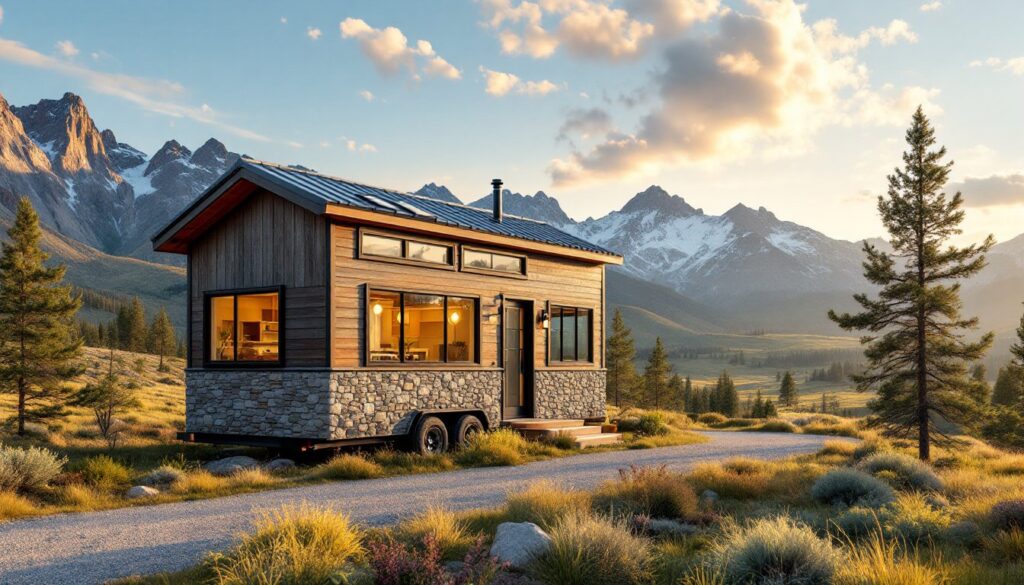
5th wheels hitch to a truck or dedicated towing vehicle and move wherever RV hookups are available. Spend a season in Arizona, then shift to Oregon for the summer. This flexibility appeals to remote workers, seasonal travelers, and retirees who want to explore. Downsides: towing requires a suitable vehicle (often a heavy-duty truck costing $40,000+), fuel costs, and mechanical wear. Moving frequently also means constantly setting up and breaking down water, electric, and sewer connections.
Tiny houses sit on foundations (or permanent trailer bases). Moving one is an exception, not routine, it requires specialized transport, permits, and can cost $5,000 to $15,000 per relocation. Most owners stay put for years. This stability is perfect if you’ve found your ideal location and want to build roots, establish a garden, or invest in permanent improvements.
For those torn between both worlds, some buyers place a tiny house on an RV pad or park-model foundation, limiting but not eliminating future moves. But, this still doesn’t offer true RV-style flexibility. Honestly assess: do you crave adventure and seasonal moves, or do you want a quiet, anchored home base?
Living Space and Layout Differences
Square footage alone doesn’t tell the full story, layout, ceiling height, and functionality vary dramatically.
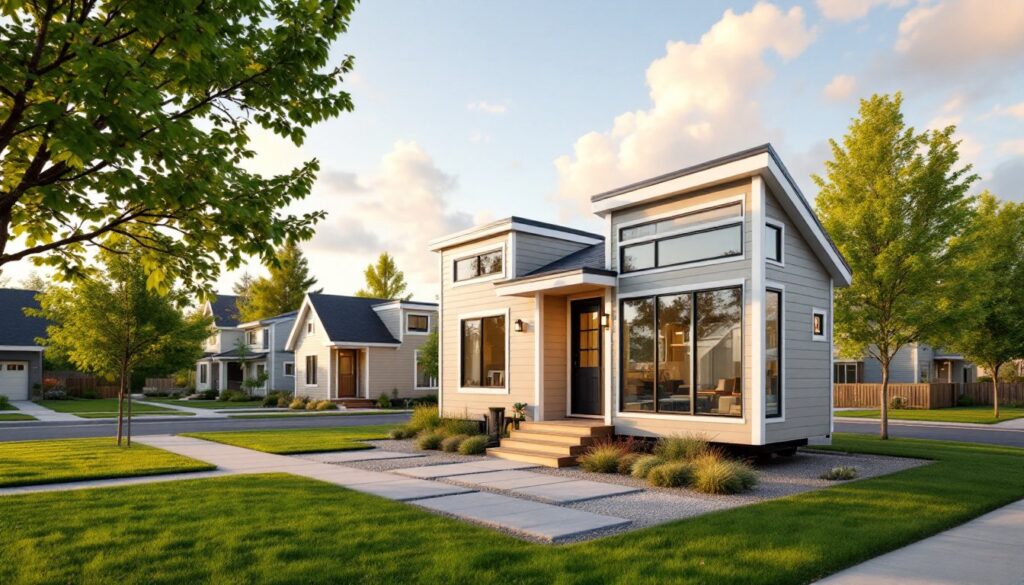
Tiny houses typically range from 100 to 400 square feet but feel more spacious thanks to higher ceilings (8 to 12 feet is common) and open layouts. Many use lofted bedrooms, clerestory windows, and smart storage under stairs. Kitchens and bathrooms, while compact, often use full-size appliances and standard fixtures. You can stand fully upright everywhere. Outdoor porches or decks extend living space.
5th wheels offer 20 to 40 feet of length but squeeze that space vertically (interior height typically 6.5 to 7 feet). Bedrooms are often tiny sleeping nooks: bathrooms are tight showers and corner toilets. RV appliances, compact fridges, two-burner stoves, shower-over-tub combos, are designed for efficiency, not comfort during long stays. Storage is plentiful but scattered in overhead cabinets and under-bed compartments.
For full-time living (six months or more), most people find tiny houses more livable. You can cook complex meals, take a real shower, and work comfortably from home. 5th wheels excel for short-term stays or seasonal use. If you work from home and entertain guests, a tiny house feels less claustrophobic. If you spend most days outside and use the RV mainly for sleeping, a 5th wheel works fine.
Zoning, Legal Compliance, and Land Requirements
Before purchasing either option, understand local regulations, they vary wildly.
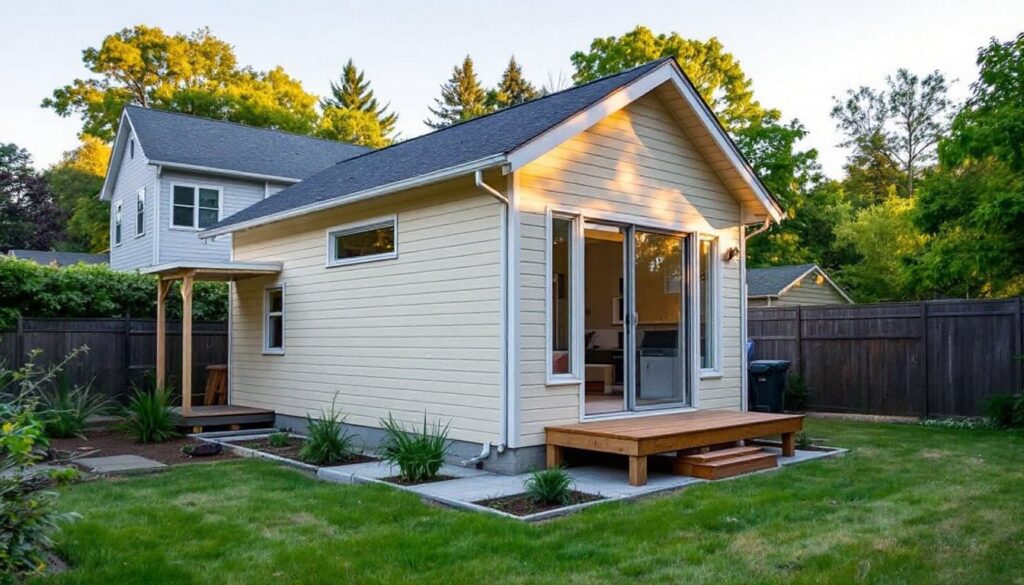
Tiny houses face zoning hurdles in many areas. Traditional residential zones often have minimum square footage requirements (1,500+ sq ft) that tiny houses don’t meet. Some municipalities now have dedicated accessory dwelling unit (ADU) ordinances permitting tiny houses: others blanket-ban them. Foundation-based tiny houses are treated like conventional homes, requiring permits, inspections, and compliance with building codes (IRC standards apply). Many states require a permanent foundation, disqualifying tiny houses on trailers in certain jurisdictions.
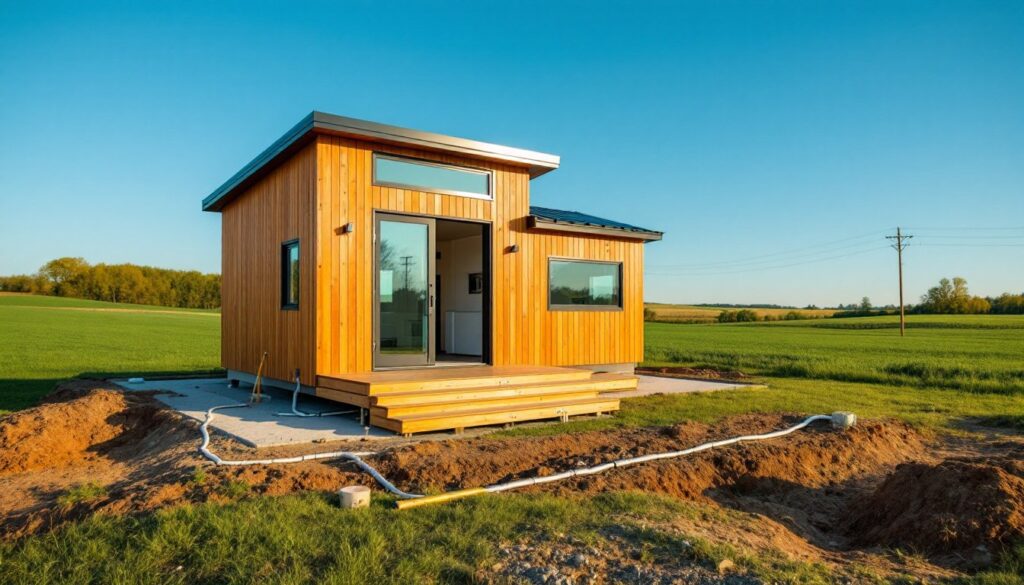
Check your county or city zoning office before buying. Rural land typically has fewer restrictions, but rural properties may lack municipal water, sewer, and electric, requiring wells, septic systems, and propane. Those additions cost $5,000 to $20,000+.
5th wheels are classified as recreational vehicles, not residential structures, which often sidesteps zoning restrictions. But, you can only park long-term in designated RV parks (full hookups) or private land you own. Some HOAs prohibit RVs: rental agreements may forbid them. Full-time RV living is legal in most states, but you’ll need to update your driver’s license address and insurance accordingly.
The legal terrain is complex. One hour with a local real estate attorney or zoning official ($200 to $400) can prevent costly mistakes.
Maintenance and Durability Considerations
Long-term ownership requires understanding maintenance realities for each option.
Tiny houses demand the same maintenance as traditional homes: roof inspections (every 5 to 10 years), siding or exterior staining, plumbing and electrical systems. But, the smaller footprint and simpler systems mean lower overall costs. Expect $500 to $2,000 annually in routine maintenance. Foundation issues, water damage, or structural problems are serious and costly, same as any home. Many tiny house owners hire inspectors before purchase to catch defects early.
5th wheels have specialized requirements: rubber roof seals deteriorate: slide-outs and vinyl windows need regular caulking: propane systems and water tanks require flushing and winterization. Chassis, brakes, and tires age faster under constant road stress. Full-time RV owners budget $1,000 to $3,000 yearly for repairs, more if traveling frequently. RV-specific mechanics are harder to find in some areas, driving repair costs up.
Durability varies by build quality. Entry-level RVs have thinner walls and cheaper components: premium brands use better materials and hold up longer. Tiny house construction quality depends heavily on the builder. Certified builders and those with good reviews tend to produce sturdier homes. Plan to inspect any used purchase thoroughly, a pre-purchase inspection is money well spent.
Which Option Fits Your Lifestyle?
Your decision eventually hinges on how you want to live.
Choose a tiny house if you:
- Want a stable, rooted home base
- Plan to stay in one location for 5+ years
- Work from home and value comfort and space for a workspace
- Enjoy gardening or outdoor projects on permanent land
- Prefer the look and feel of traditional home living
- Have found an ideal location with manageable zoning rules
Choose a 5th wheel if you:
- Crave mobility and seasonal exploration
- Change locations every few weeks or months
- Work remotely but want geographic freedom
- Are retired and want to travel leisurely
- Value simplicity and minimal long-term commitments
- Can afford the towing vehicle, fuel, and lot fees
Finally, consider your exit strategy. A tiny house is an asset you might sell or rent: a 5th wheel depreciates like most vehicles. Neither is a get-rich-quick scheme. Both are tools for affordable, intentional living, but they serve different people at different life stages. Be honest about what matters most: roots or roads, simplicity or stability, cost today or cost over time. Once you answer those, the choice becomes clear.
Conclusion
Tiny houses and 5th wheels both challenge the traditional housing paradigm, but they’re solving different problems. A tiny house offers stability, durability, and long-term affordability on owned land. A 5th wheel delivers mobility, low upfront cost, and freedom to roam. Neither is universally better, your lifestyle, location, budget, and plans determine which makes sense. Do your assignments on local zoning, calculate true lifetime costs, and be honest about your tolerance for RV living versus permanent home living. The right choice is the one that aligns with how you actually want to spend the next five to twenty years.