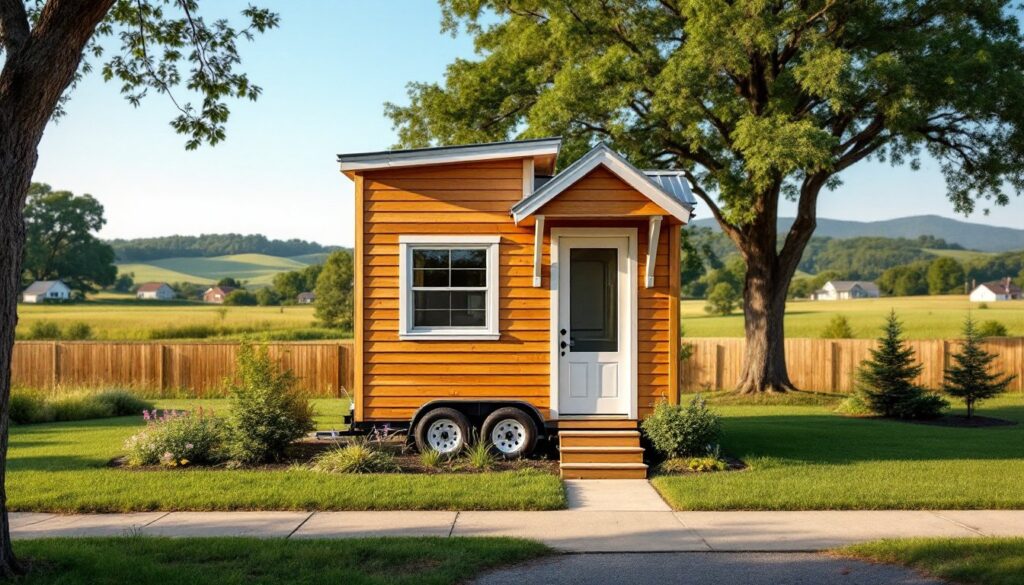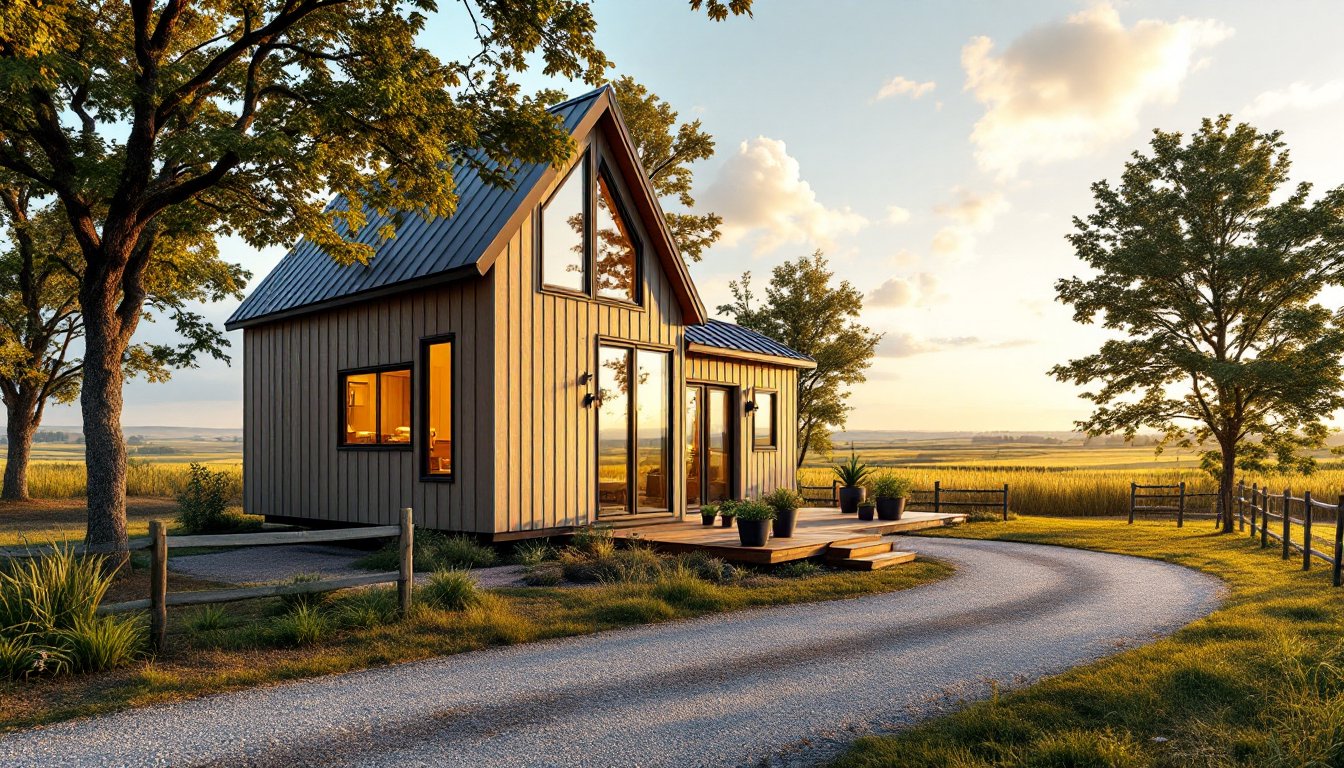

The tiny home movement has gained significant momentum across the United States, and Ohio is no exception. With housing costs rising and more people seeking sustainable, affordable living solutions, tiny homes, typically ranging from 300 to 500 square feet, have become an attractive alternative to traditional single-family homes. For Ohioans interested in downsizing, reducing utility costs, or entering the housing market without a massive mortgage, tiny homes offer a practical path forward. This guide covers what tiny homes are, where to find them in Ohio, zoning considerations, financing options, and the real trade-offs you’ll face before making the leap.
Table of Contents
ToggleKey Takeaways
- Tiny homes in Ohio typically range from 300 to 500 square feet and cost $80,000–$150,000, offering significant savings compared to traditional homes while reducing utility bills by 25–40%.
- Ohio has no statewide zoning policy for tiny homes, so you must contact your local county or municipality to verify compliance before purchasing land or building.
- Northwest Ohio (Toledo/Lima), Southeast Ohio (Appalachian region), and Central Ohio towns offer the most favorable conditions for tiny home development with lower land costs and permissive zoning.
- Financing tiny homes is challenging since most conventional lenders avoid them; explore alternatives like RV loans, niche tiny home lenders, owner financing, or cash purchases.
- Winter heating, resale difficulty, lender restrictions, and space compromises are real challenges in Ohio’s climate, making thorough lifestyle assessment and due diligence essential before downsizing.
What Are Tiny Homes and Why Ohio Is Embracing Them
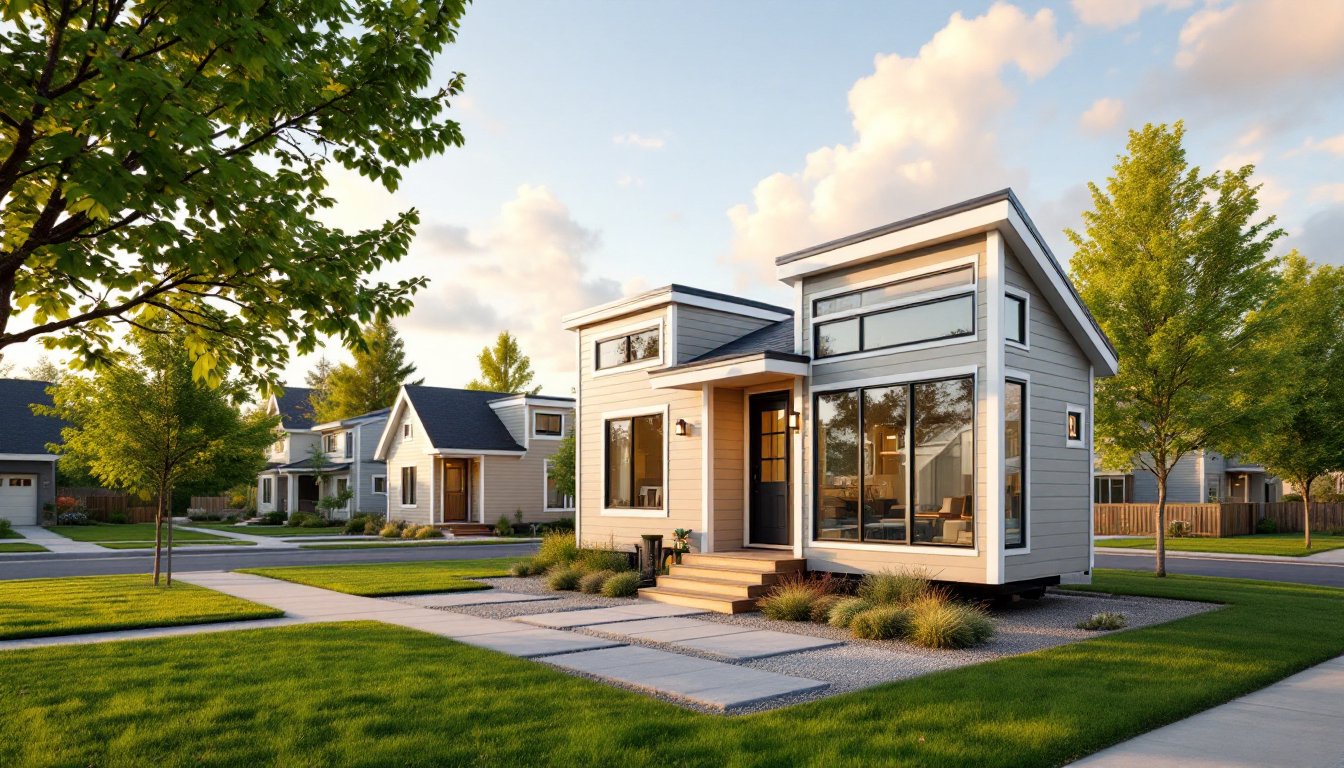
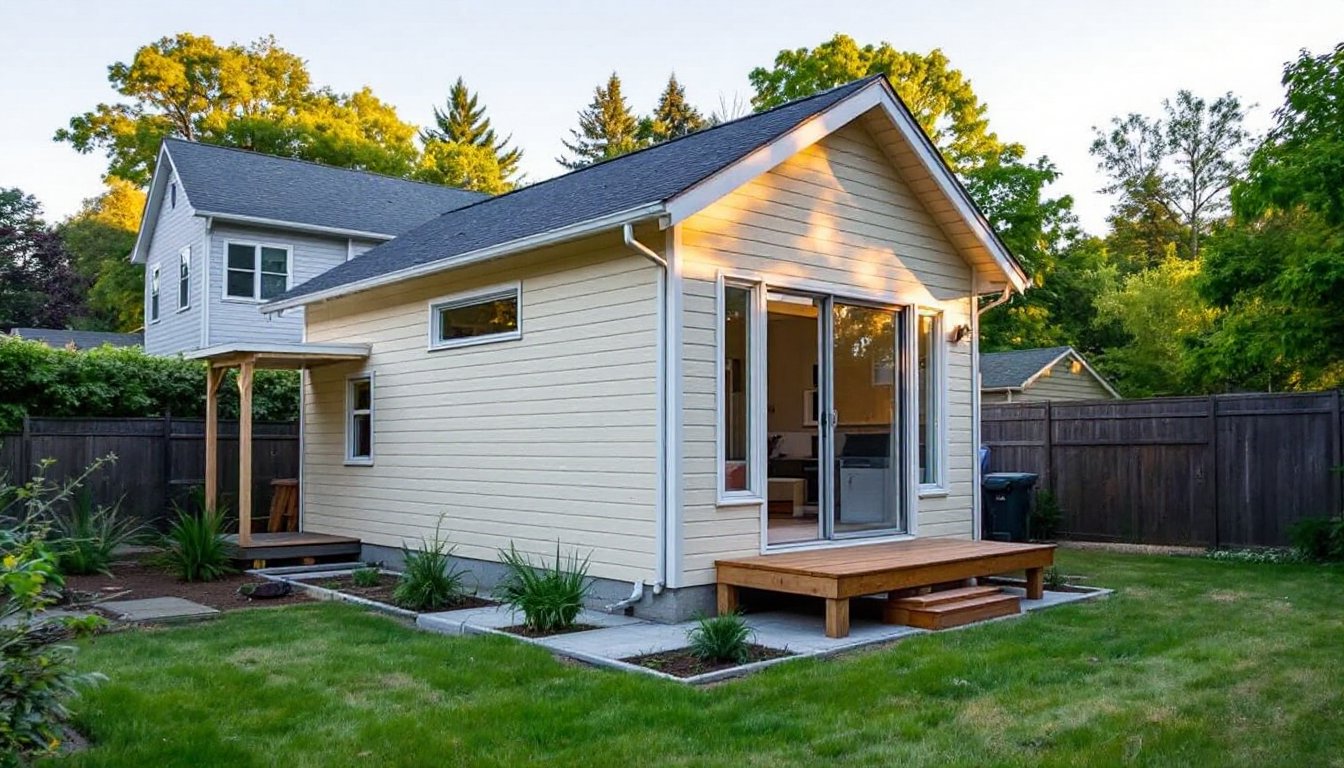
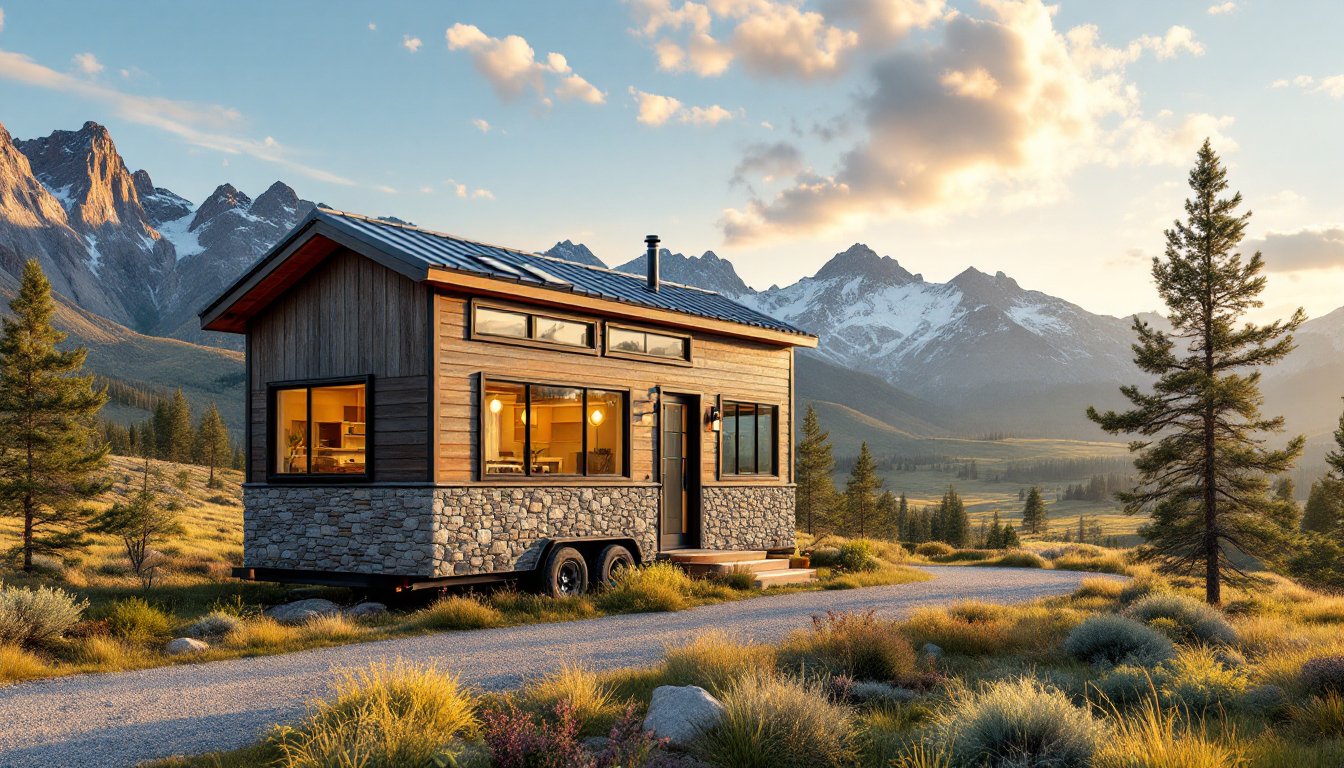
Tiny homes are self-contained dwelling units that maximize livable space in a compact footprint. They typically range from 300 to 500 square feet, roughly one-quarter the size of the average U.S. home. Some are built on permanent foundations, while others are constructed on trailers, giving owners flexibility to relocate if needed.
Ohio’s embrace of tiny homes stems from several practical factors. First, the state has a lower cost of living compared to coastal markets, making tiny homes an even more economical choice. Second, Ohio has abundant land in rural areas where fewer zoning restrictions exist, creating opportunities for tiny home communities. Third, the state’s aging housing stock and limited affordable inventory have made alternative housing solutions increasingly appealing to first-time buyers and retirees alike.
The appeal goes beyond affordability. Owners report lower utility bills, reduced maintenance burdens, and a simpler lifestyle. For families or individuals willing to embrace minimalism, tiny homes eliminate wasted square footage and the associated heating, cooling, and upkeep costs that drain bigger houses.
Zoning Laws and Regulations for Tiny Homes in Ohio
Here’s where things get complicated. Ohio doesn’t have a blanket statewide policy on tiny homes. Instead, zoning and building regulations fall to individual municipalities and counties. Some communities welcome them: others restrict or outright ban them through minimum square footage requirements or setback rules.
Key regulations to check before buying or building:
- Minimum dwelling size: Many Ohio municipalities specify a minimum of 1,000 to 1,200 square feet, which effectively excludes traditional tiny homes. Rural and unincorporated areas often have fewer restrictions.
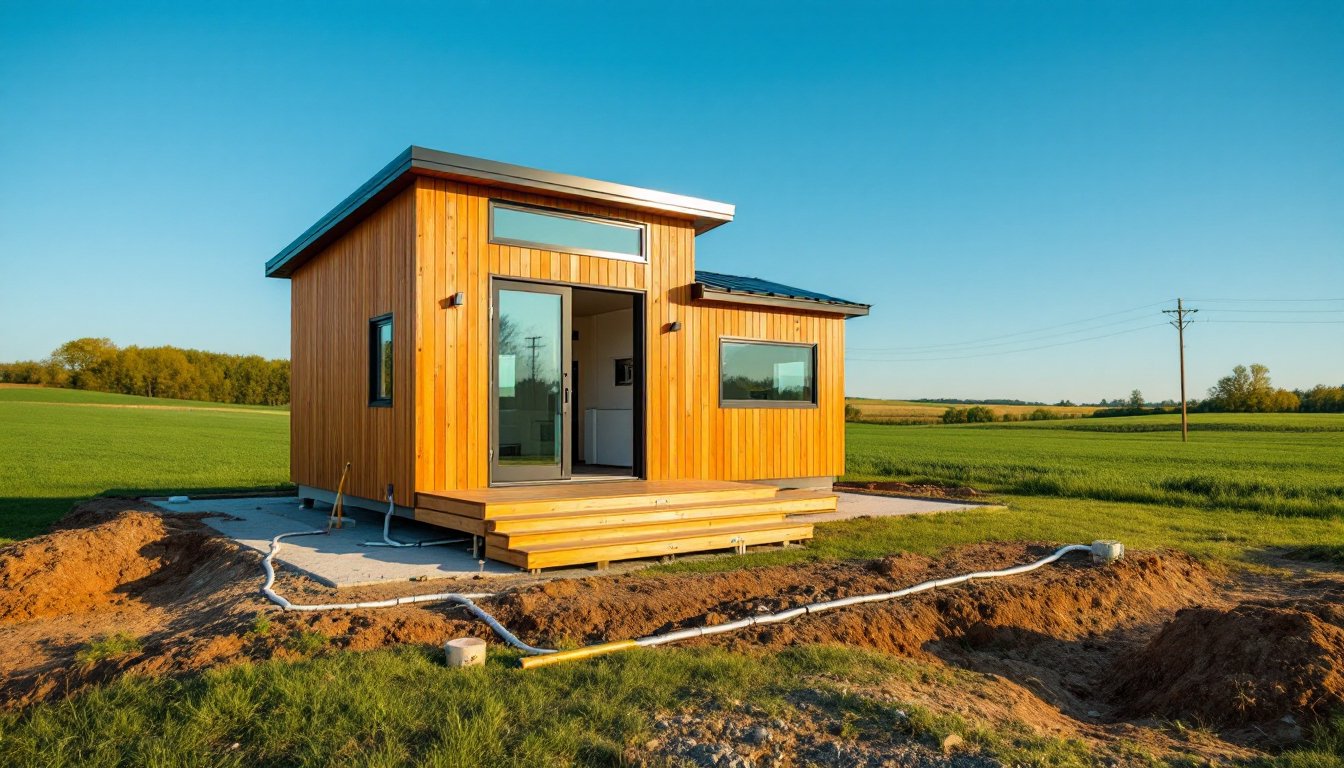
- Foundation requirements: Some areas require permanent foundations (not trailer-based tiny homes), while others permit mobile units with conditions.
- Zoning district compatibility: Tiny homes may be permitted in rural residential, agricultural, or mixed-use zones but prohibited in suburban areas.
- Setback and lot size rules: Ensure the lot meets minimum acreage (often 1–5 acres in rural zones) and that setback distances from property lines are achievable.
Before purchasing land or signing a contract, contact the local county zoning office or planning department and request written confirmation that your proposed tiny home complies with local codes. This step saves thousands in legal disputes or forced removals. Some forward-thinking Ohio municipalities, particularly in rural Appalachia and Northwest Ohio, have begun revising codes to encourage affordable housing, so conditions are gradually improving.
Top Ohio Locations for Tiny Home Communities
Several regions of Ohio have emerged as favorable markets for tiny home development.
Northwest Ohio (around Toledo and Lima) has seen growing tiny home interest due to lower land costs and more permissive zoning in rural townships. Several emerging communities are marketing tiny home lots at competitive prices.
Southeast Ohio (Appalachian region) offers some of the state’s most affordable land and some of the least restrictive zoning. Counties like Hocking, Athens, and Meigs have attracted tiny home enthusiasts and eco-conscious builders seeking rural settings.
Central Ohio, particularly in smaller towns surrounding Columbus (like Delaware or Marion), offers a middle ground: lower costs than suburban Columbus, but better access to urban services and employment. Some communities here are developing intentional tiny home neighborhoods.
Southwest Ohio (greater Cincinnati area) has pockets of opportunity in rural Warren and Butler counties, though closer-in suburbs remain heavily zoned against tiny homes.
When evaluating a location, consider proximity to employment, broadband quality, property tax rates, and whether the community actively supports or tolerates tiny homes. A good resource is connecting with local tiny home groups on social media or contacting the county extension office, which often has insights into local development trends.
Cost Benefits and Financing Options
The financial appeal of tiny homes is straightforward: lower purchase prices, reduced property taxes, and minimal utility costs. A tiny home in rural Ohio might cost $80,000 to $150,000 to purchase (new or used), compared to $200,000+ for a traditional home. Land costs vary dramatically by region, expect $10,000 to $40,000 per acre in desirable rural areas, less in remote locations.
Utility savings are real. A tiny home requires roughly 25–40% of the heating and cooling energy of a 2,000-square-foot home. Annual utility bills often drop to $60–$100 per month, depending on insulation quality and your primary heating source.
Financing challenges exist. Most banks are hesitant to finance tiny homes or mobile-based units because they fall outside conventional mortgage underwriting. Your options include:
- Personal loans or home equity lines of credit: Easier to qualify for, but typically higher interest rates (6–10%).
- RV or chattel loans: If your tiny home is mobile, some lenders offer rates comparable to RV financing (5–8%).
- Niche lenders: A handful of companies (Tiny Home Builders’ Alliance partners, some credit unions) now offer tiny home mortgages, though terms vary.
- Cash purchase or owner financing: Many private sellers in Ohio communities are willing to finance directly, especially if you make a substantial down payment (20–30%).
Before committing, get pre-approval in writing and confirm that your lender accepts the property’s legal classification (especially if it’s on a trailer or lacks a traditional foundation).
Challenges of Tiny Home Living in Ohio
Tiny homes aren’t for everyone, and Ohio’s climate and geography create specific hurdles.
Winter heating demands: Ohio winters are cold, and a small, poorly insulated structure can be expensive to heat. Ensure your tiny home has quality insulation (R-20+ walls, R-30+ ceiling), triple-pane windows, and a reliable heating system. Propane or wood backup heat is common, but inspect condition and efficiency ratings.
Resale difficulty: While interest is growing, the tiny home market in Ohio remains niche. Buyers are limited, and resale timelines can be long. If your life circumstances change in 3–5 years, you may struggle to find a buyer or face a loss.
Lender restrictions: As noted, financing is a real barrier. Some properties can’t be sold to second or third owners because lenders won’t touch them, effectively locking future buyers into cash-only transactions.
Space compromises: Storage, entertaining guests, and accommodating family visits become logistical challenges. A home office for two remote workers in a 400-square-foot space requires thoughtful design and honest conversations about lifestyle.
Land ownership dependence: If you rent land (common in tiny home communities), you’re subject to lease agreements, fee increases, and potential eviction. Owning land outright is preferable but requires larger upfront capital.
Zoning uncertainty: Even in permissive areas, future code changes could affect your property’s legal status. This is rare but worth considering for long-term plans.
Conclusion
Tiny homes represent a pragmatic option for Ohioans seeking affordability and simplicity. But, success depends on thorough due diligence: verify local zoning compliance, secure financing early, and honestly assess whether downsizing suits your lifestyle. For the right person in the right location, a tiny home can deliver both financial relief and the freedom to live intentionally. Start by connecting with local communities, consulting county planning departments, and touring existing tiny homes to understand the realities before making your decision.