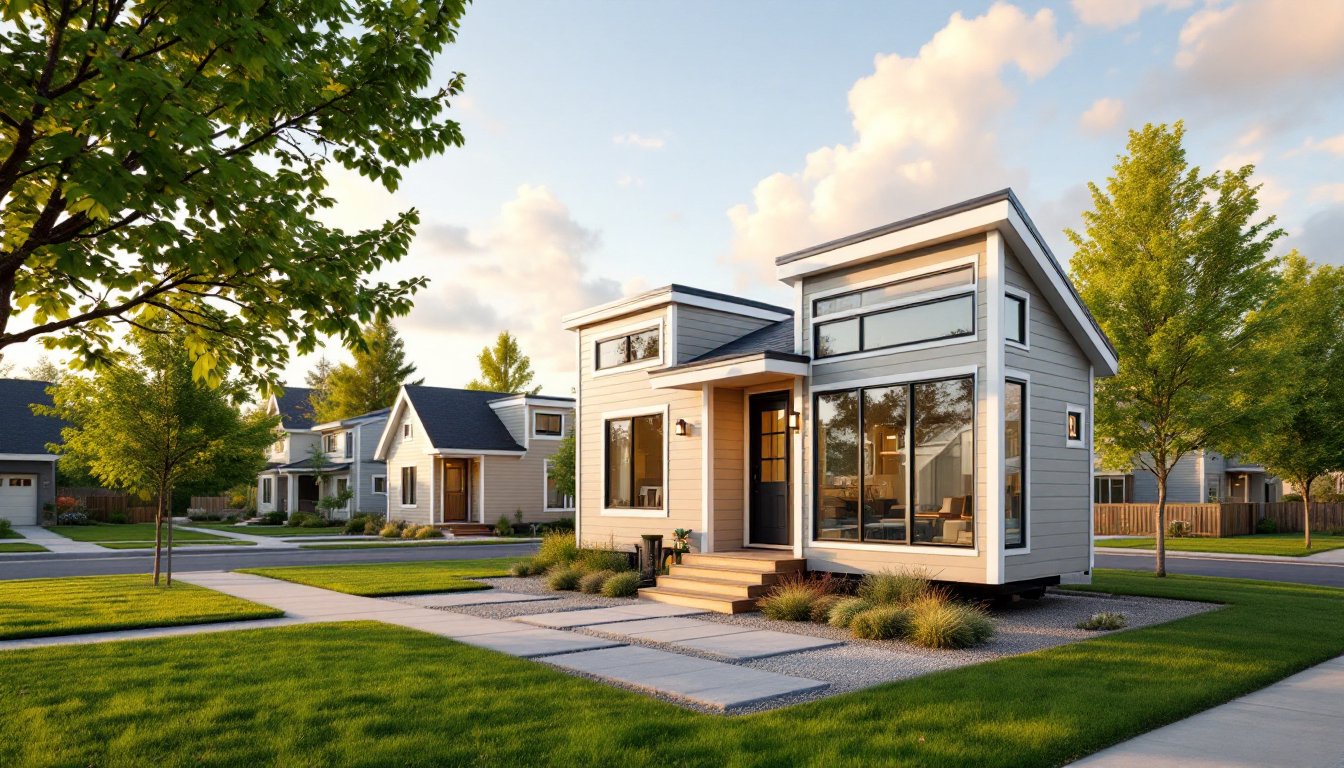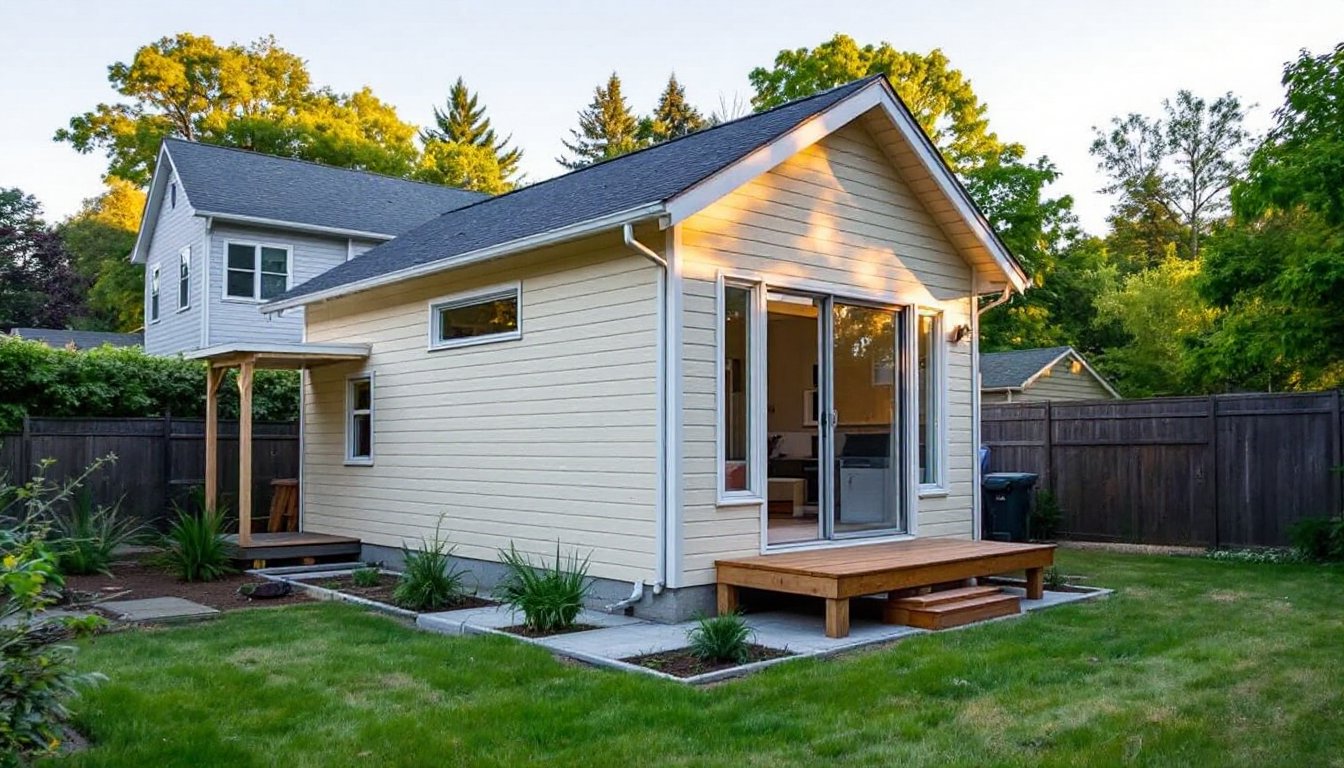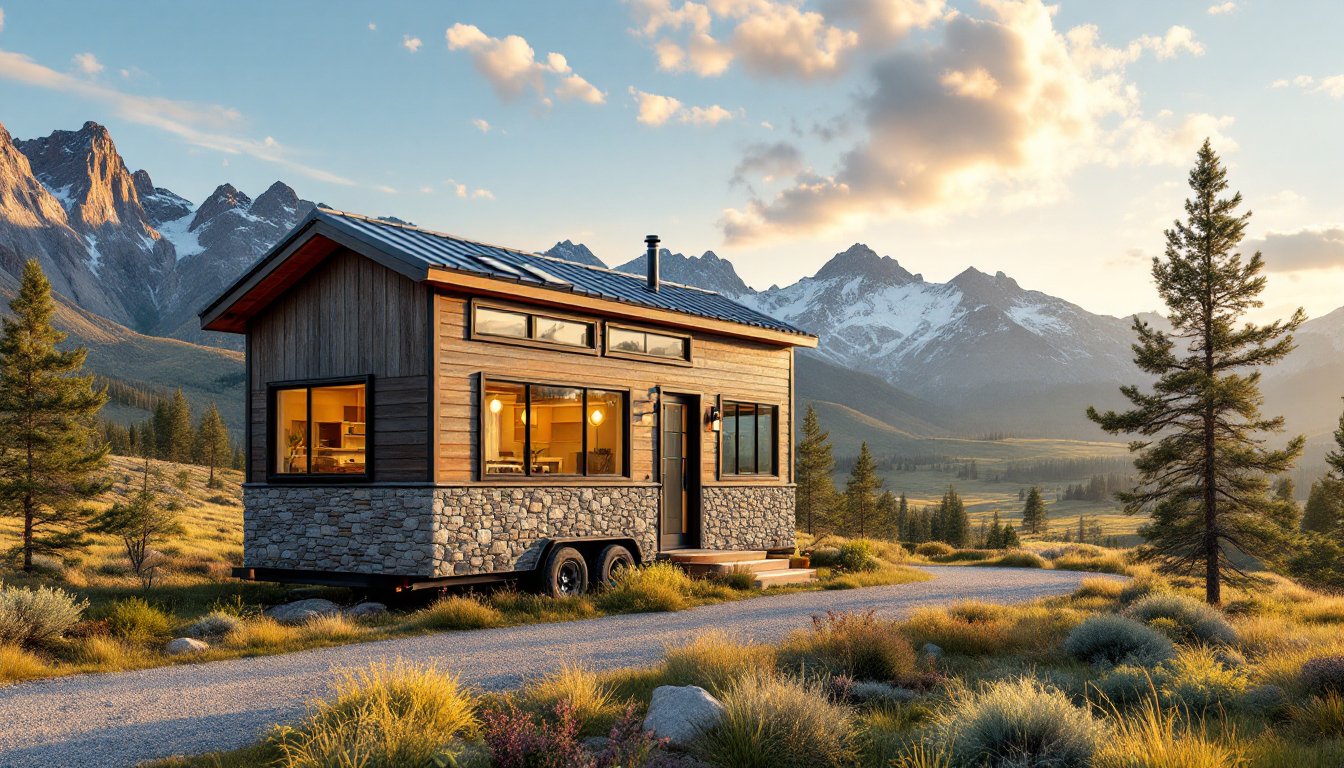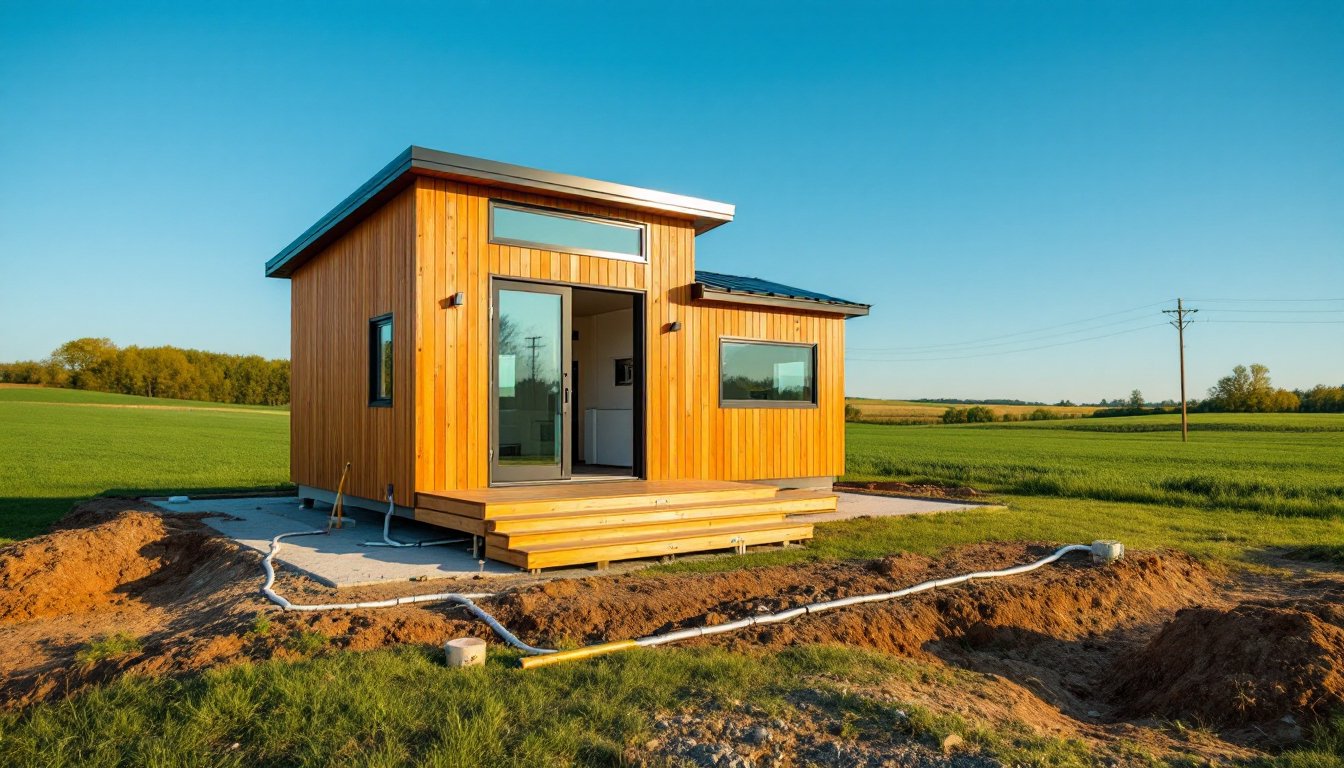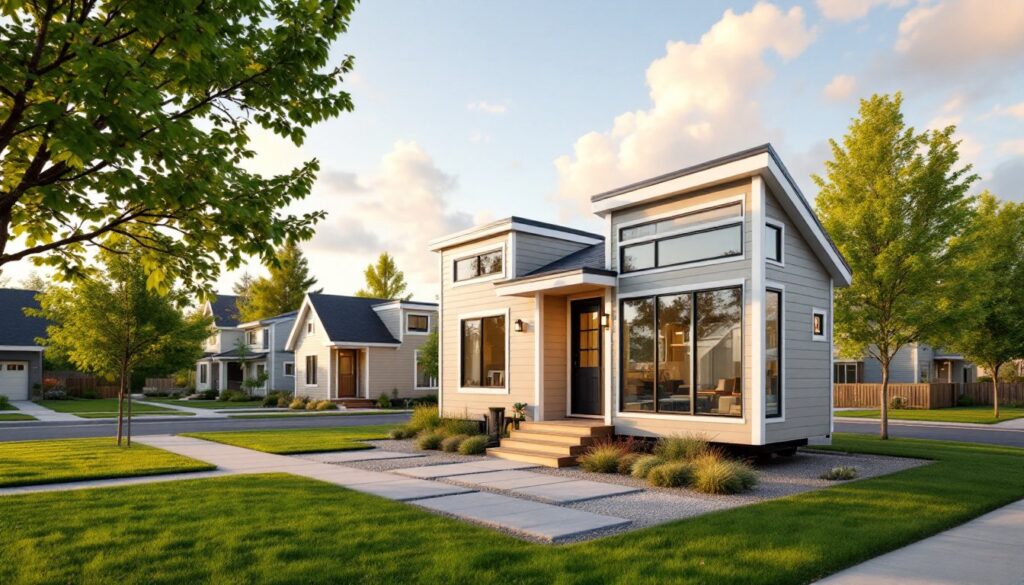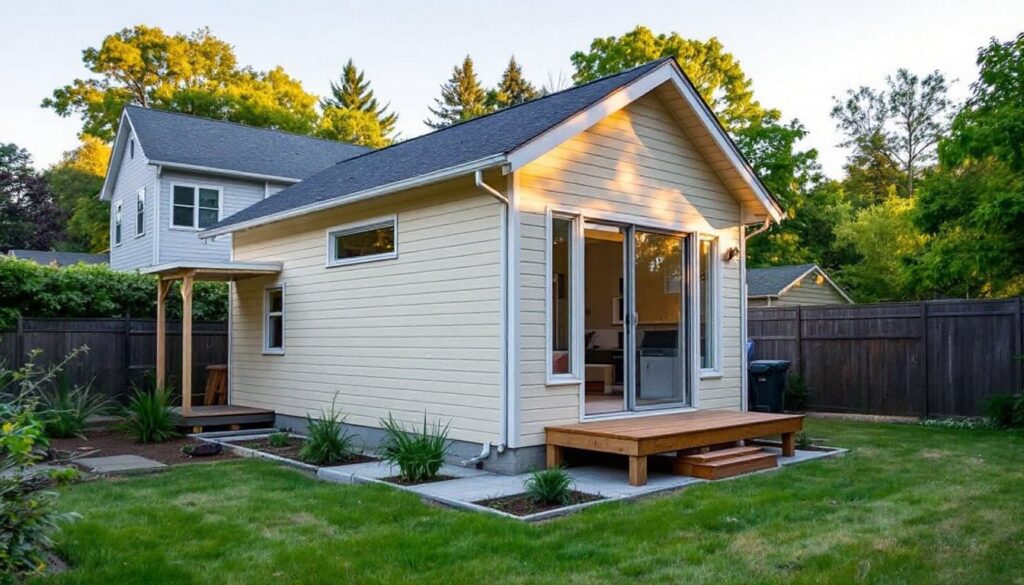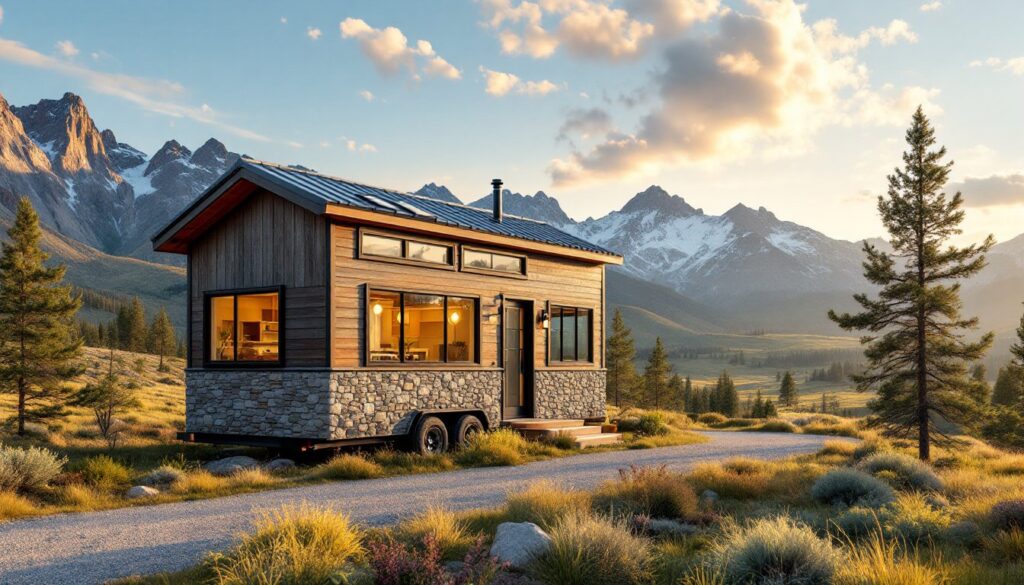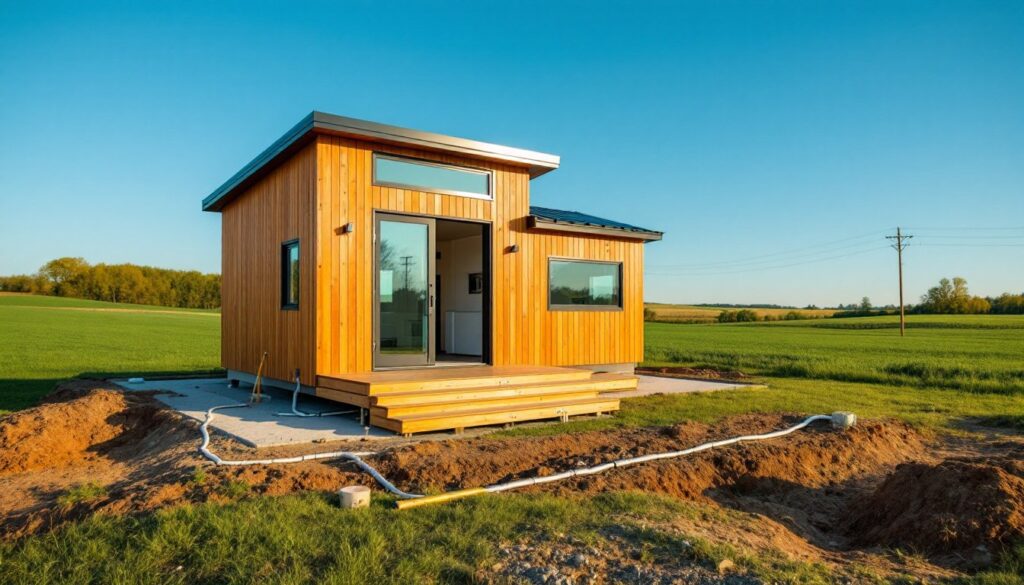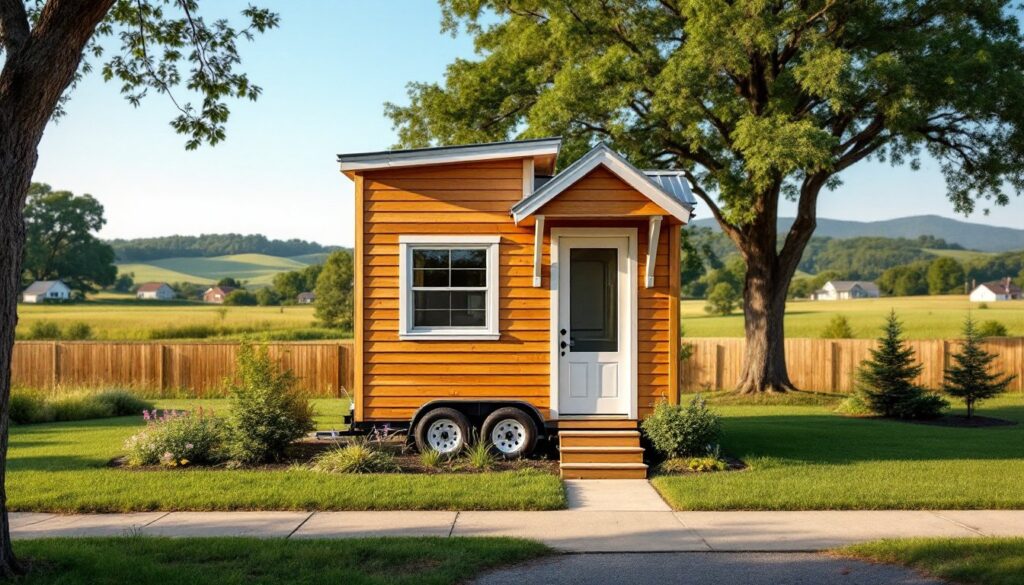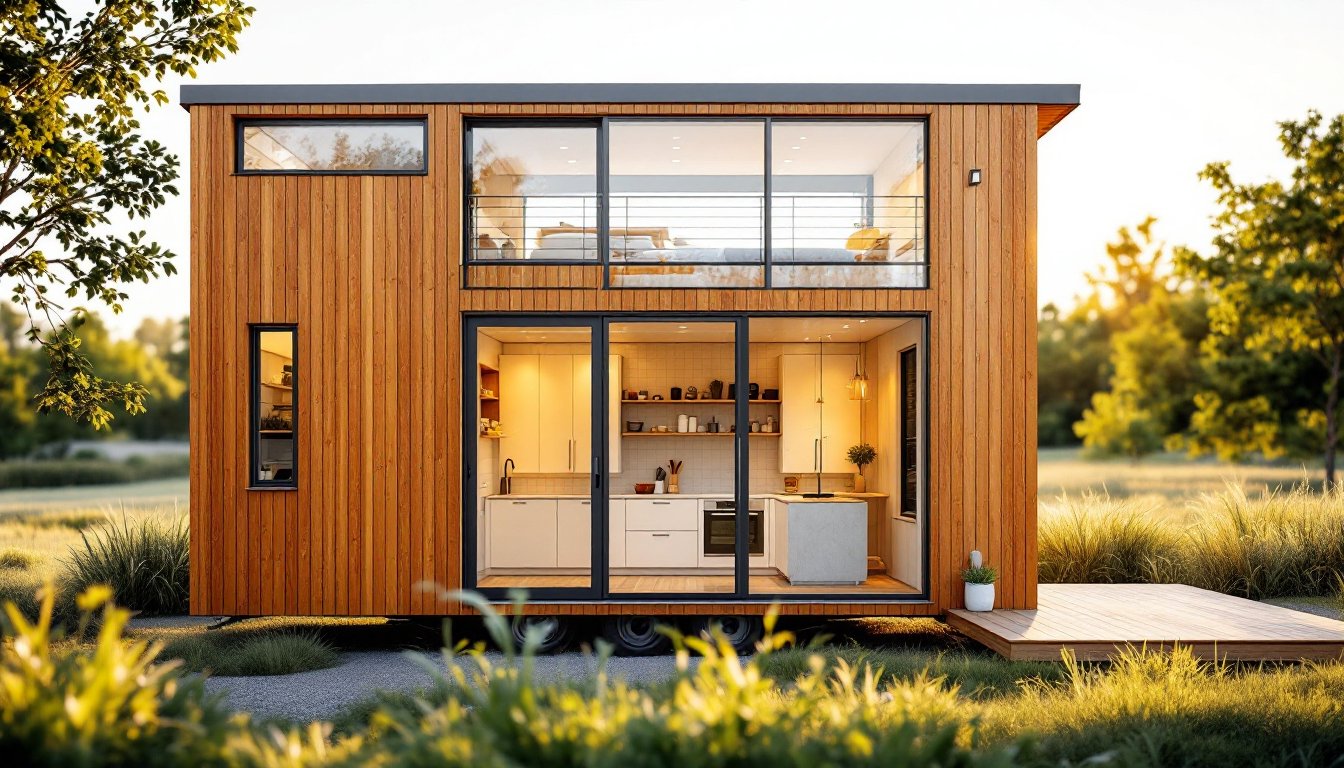

Tiny homes with lofts have moved beyond trendy novelty into practical housing solutions for 2026. These compact dwellings combine smart design with vertical living, sleeping or storage above, living and working below, making them perfect for minimalists, remote workers, and anyone tired of maintaining excess square footage. Unlike cramped studio apartments, loft-style tiny homes give residents breathing room, flexible layouts, and surprisingly comfortable living. Whether someone’s drawn to affordability, sustainability, or simply a cleaner lifestyle, tiny homes with lofts deliver on all three fronts. Understanding how they work, what makes them cost-effective, and whether they fit your life matters before jumping in.
Table of Contents
ToggleKey Takeaways
- Tiny homes with lofts combine smart vertical design with affordability, typically costing $80,000–$150,000 compared to traditional homes exceeding $300,000, making them practical for minimalists and remote workers.
- The loft-style design raises sleeping or storage areas 8–12 feet above a 200–400 square-foot main floor, creating genuine zoning without walls and preventing the cramped feeling of studio apartments.
- Tiny homes with lofts significantly reduce utility costs to $40–$80 monthly in mild climates and lower carbon emissions by 80% over 50 years, making them an eco-friendly housing solution.
- Open-plan layouts, vertical storage, and multi-functional furniture maximize space efficiency while maintaining comfort and natural light flow in these compact dwellings.
- Before purchasing, research local zoning laws carefully, as many municipalities restrict or ban tiny homes in residential zones, and financing can be complicated with some lenders avoiding homes below certain square footage.
- Remote workers benefit most from the bedroom-office separation that a loft provides, improving focus and sleep quality compared to studio setups where living and sleeping areas merge.
What Makes Loft-Style Tiny Homes Special
A loft-style tiny home isn’t just small, it’s intentionally designed to work harder per square foot. The key difference from standard studios or small apartments is the vertical dimension. By raising the sleeping or storage area 8 to 12 feet above the main floor, a tiny home suddenly feels less cramped and gains genuine zoning without internal walls.
The typical footprint ranges from 200 to 400 square feet of total living space, with a loft adding another 100 to 150 square feet of usable area overhead. This design principle comes from trailer homes, cabins, and nautical architecture, it’s not new, but modern tiny home builders have refined it into genuinely livable spaces. Residents get a true bedroom or study upstairs, not a glorified closet labeled “sleeping area.”
What sets these homes apart is accessibility. Many are built on foundations (not trailers), while others sit on wheels or helical piles depending on zoning and owner preference. They’re often built with real drywall, insulation, and permanent fixtures rather than RV-grade components, making them more durable and rentable. This flexibility in construction and placement appeals to people who want options without buying traditional real estate.
Design Features That Maximize Space Efficiency
Smart design is the skeleton of every successful tiny home with a loft. Every inch has to earn its keep, or the space feels suffocating rather than cozy.
Open Floor Plans and Vertical Storage Solutions
The ground floor is almost always open-plan: kitchen, dining, and living merge into one zone. This kills the feeling of being boxed in and lets natural light bounce around. Built-in nooks, a desk alcove, a reading corner, define purpose without adding walls or clutter.
Vertical storage is non-negotiable. Floor-to-ceiling shelving, wall-mounted cabinets, and under-stair drawers replace the bulky dressers and media stands of conventional homes. Many builders use nominal 2×6 or 2×8 joists for the loft structure (actual dimensions 1.5″ × 5.5″ or 1.5″ × 7.5″), allowing them to reclaim headroom while keeping the frame strong enough for living loads (typically 40 pounds per square foot residential standard).
Lofts themselves often use partial walls or railings instead of solid barriers. Open railings meet IRC (International Residential Code) guardrail requirements, 4-inch sphere rule, 36 to 42 inches high, 200-pound force resistance, but they don’t chop the interior into separate rooms. Some builders integrate ladder access or even spiral staircases: stairs take more floor space but feel less steep and industrial than ladders.
Kitchens shrink through thoughtful layout: a galley or single-wall setup with apartment-grade appliances (24-inch refrigerators, compact ranges). Compact bathrooms often skip tubs for walk-in showers with glass enclosures, which visually expand the space. Multi-functional furniture, ottomans with storage, murphy beds (though less common in loft configurations), fold-out tables, keeps flexibility high and clutter low.
Cost Considerations and Affordability Benefits
The financial appeal of tiny homes with lofts is real, though not universally cheap. A finished, site-built tiny home with a loft typically ranges from $80,000 to $150,000, depending on materials, location, and whether it includes utilities hookups and foundation. Prefabricated models may cost $50,000 to $100,000 before land. By comparison, a modest traditional home in most U.S. markets exceeds $300,000.
Mortgages are smaller. A $100,000 loan at 6.5% for 20 years costs about $700 per month in principal and interest, far below typical rent in urban markets and often lower than a single car payment. But, financing can be tricky: some lenders won’t touch anything under a certain square footage, and RV-financing rates differ from home loans.
Utility costs drop significantly. Smaller envelopes mean less heating and cooling load. A well-insulated tiny home with an Energy Star HVAC system might run $40–$80 monthly in mild climates, less than half a conventional home. Water usage shrinks too, which matters in drought-prone regions.
The hidden costs aren’t negligible: land (if not included), permits (varies wildly by jurisdiction, $200 to $3,000+), foundation prep, utility connections, and ongoing property taxes. Some municipalities tax tiny homes as full residences even though smaller footprints. Always research local zoning before buying: many areas still restrict tiny homes or ban them outright in residential zones.
Lifestyle Advantages for Modern Living
Beyond dollars, tiny homes with lofts reshape how people actually live. They force intentionality. Someone can’t hoard three decades of boxes because there’s nowhere to hide them. This isn’t deprivation, it’s liberation for people who’ve grown tired of managing possessions.
Remote workers thrive in them. The loft becomes a bedroom: the ground floor works as office-meets-living space during the day. This separation of sleep and work, even in 300 square feet, improves focus and sleep quality compared to a studio where the bed sits 10 feet from the kitchen.
Socially, tiny homes encourage guests to engage. There’s no “go sit in another room.” Dinner conversations happen while someone cooks five feet away. For introverts, this can feel claustrophobic: for extroverts and young professionals, it builds community.
Sustainability and Eco-Friendly Living
Smaller homes are inherently more sustainable. Manufacturing a 300-square-foot home consumes fewer raw materials than a 2,000-square-foot house, less framing lumber, less drywall, less insulation. If built with recycled or reclaimed materials (common in high-end tiny home builds), the environmental footprint shrinks further.
Energy efficiency improves naturally. A smaller surface area-to-volume ratio means less exterior wall, less roof, fewer windows to lose heat or gain unwanted solar load. Builders routinely use triple-pane windows, spray foam insulation (R-21 or higher), and cool roofing materials on tiny homes, achieving Energy Star or Passive House certification. Some sites report 80% lower carbon emissions versus traditional homes over a 50-year lifespan.
Land use matters too. A cluster of 20 tiny homes occupies the footprint of four conventional houses, leaving more land for green space or agriculture. This density appeals to urban planners and environmental advocates alike.
Conclusion
Tiny homes with lofts aren’t a lifestyle trend, they’re a practical response to affordability, sustainability, and the changing way people work and live. Vertical design, smart storage, and intentional layout transform what could be cramped into genuinely comfortable living. Yes, they demand compromise: less storage, smaller kitchen, no basement. But for people aligned with those trade-offs, they deliver freedom from mortgage debt, lower utility bills, and a smaller environmental footprint. Research your local zoning, visit a completed build if possible, and honestly assess whether minimalist living fits your personality before committing. Done right, a tiny home with a loft can be exactly enough.