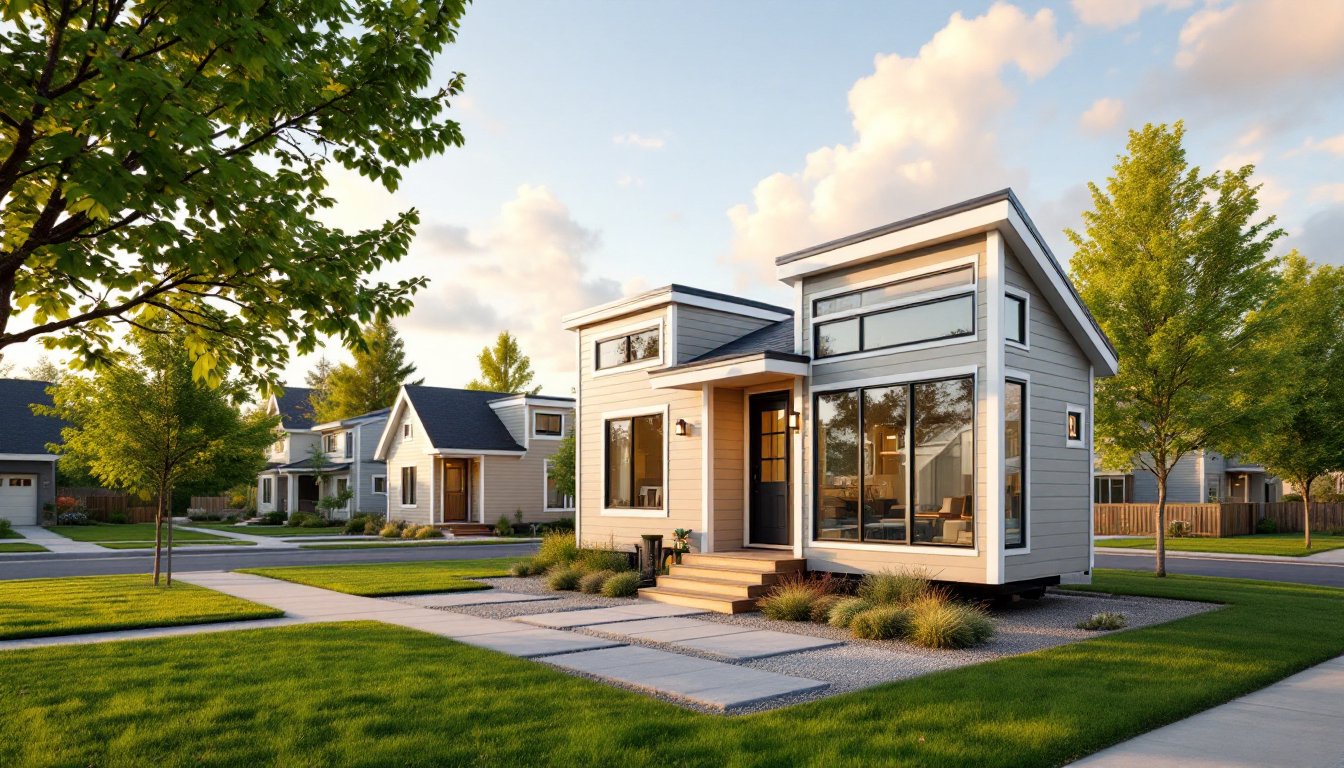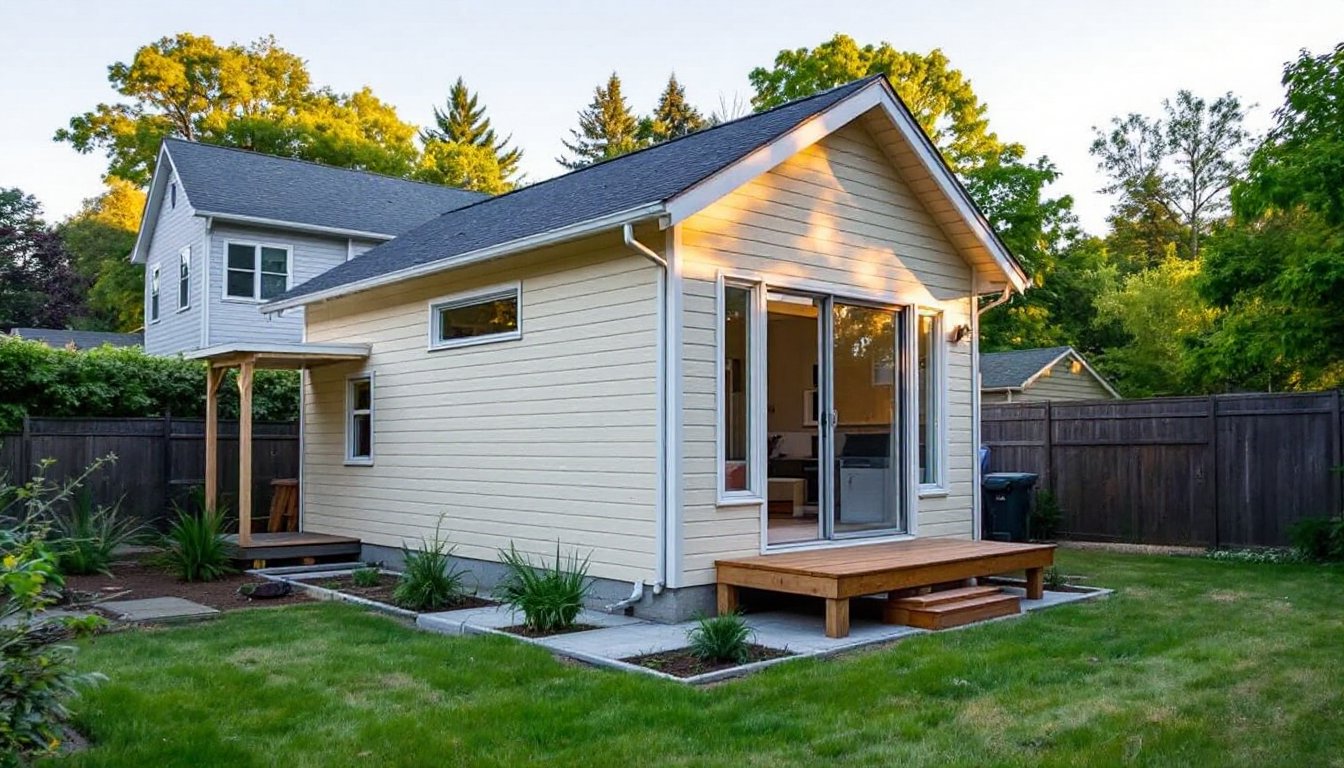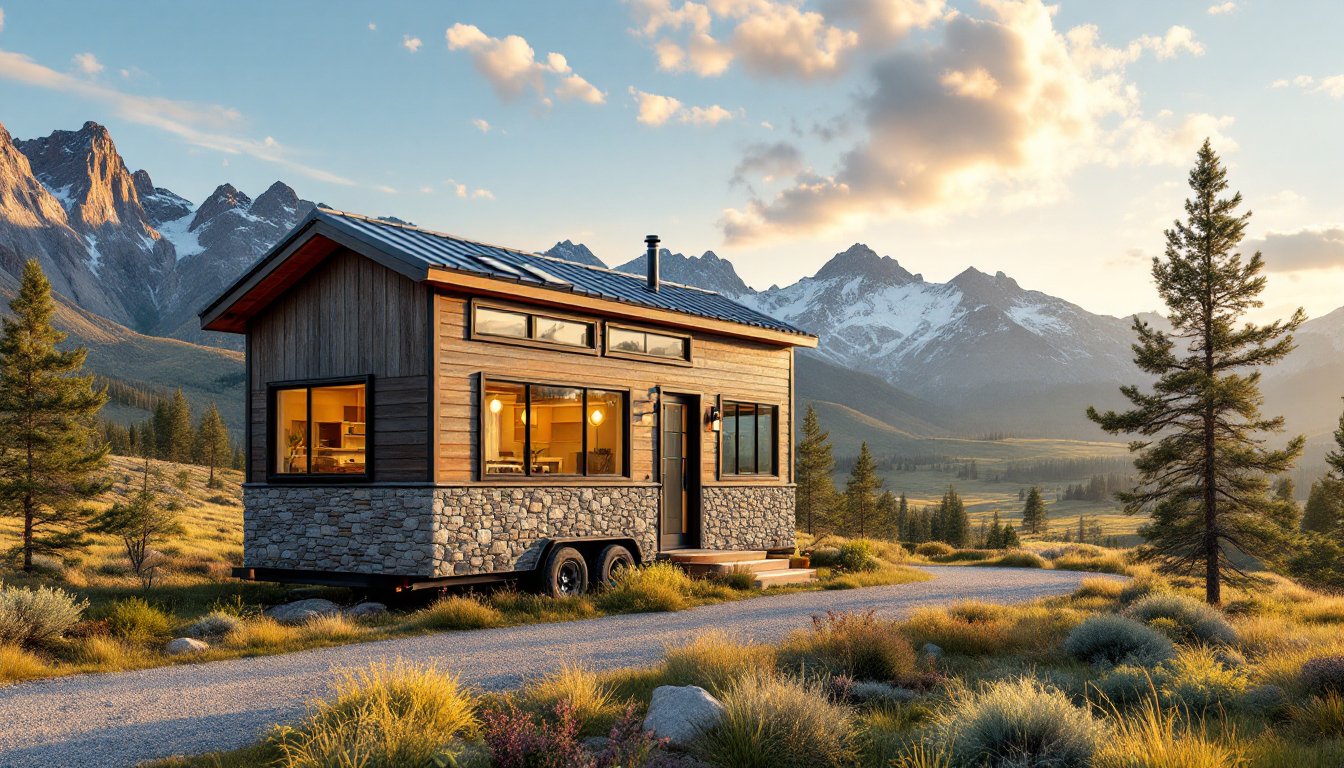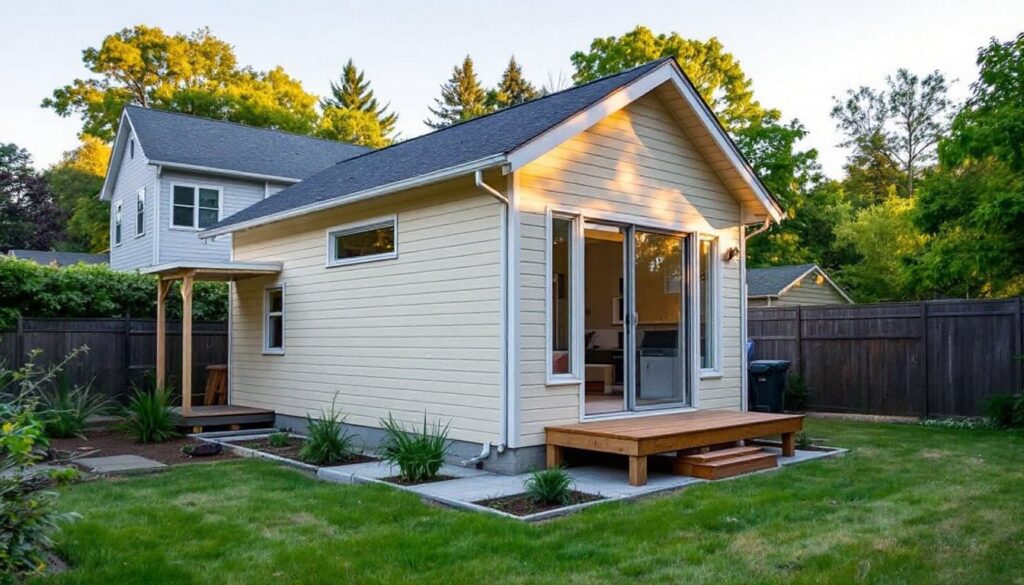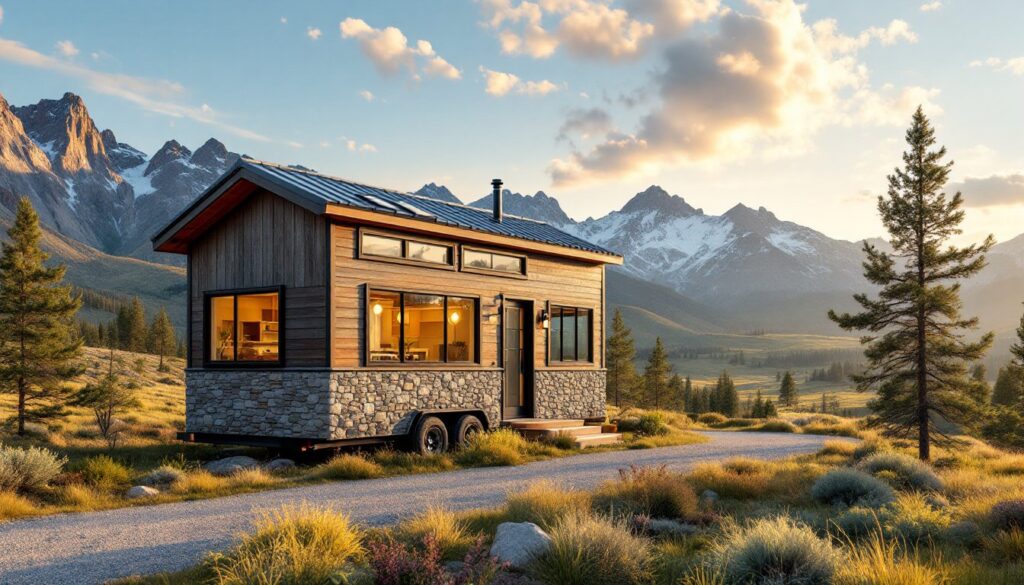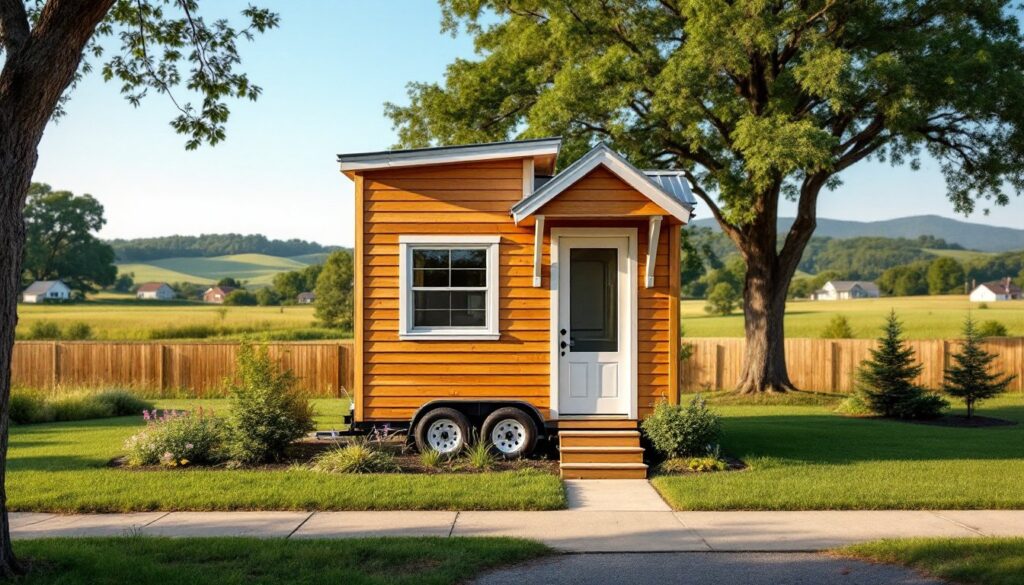

Tiny houses have shifted from fringe novelty to a legitimate housing solution for buyers tired of sprawling mortgages and maintenance headaches. But what does a tiny house actually cost? The answer isn’t as simple as a single price tag. In 2026, tiny house costs range dramatically depending on whether someone buys a prefab model, commissions a custom build, or purchases land separately. This guide breaks down real pricing across different scenarios, highlights the cost drivers that matter most, and reveals the hidden expenses that catch most buyers off guard. Whether you’re drawn to minimalist living, financial freedom, or mobility, understanding tiny house pricing upfront helps separate realistic budgets from fantasy projects.
Table of Contents
ToggleKey Takeaways
- Tiny house average cost ranges from $35,000 to $120,000 for prefab models, $50,000 to $200,000+ for custom builds, and $25,000 to $75,000 for used units, with significant variation based on quality and construction method.
- The total cost of a tiny house project extends far beyond the structure itself—land, permits, foundation work, and utilities can easily add $150,000 or more to your initial budget.
- Fixed costs like appliances, plumbing, and electrical systems don’t scale proportionally with size, making a 200-square-foot tiny house nearly as expensive to equip as a 300-square-foot unit.
- Location and zoning restrictions are the largest cost variables, with rural land costing $5,000–$20,000 per acre while suburban or urban lots near cities can range from $50,000 to $300,000 or more.
- Hidden expenses—including permits ($1,000–$5,000), site prep ($5,000–$15,000), solar systems ($8,000–$20,000), and monthly parking fees ($300–$1,500)—often surprise buyers and must be factored into total project planning.
- True tiny house affordability comes from long-term financial benefits like lower mortgage balances, reduced utility costs, and minimal maintenance rather than upfront purchase price alone.
What You Can Expect to Pay for a Tiny House
Tiny house pricing breaks into three main categories: prefab models, custom-built homes, and used/pre-owned units. Prefab tiny houses, those manufactured in a controlled factory setting and delivered ready-to-live, typically range from $35,000 to $100,000 depending on finish quality, features, and brand reputation. Popular manufacturers like Weehouse and Blokable offer turnkey options at the lower end, while luxury prefabs from builders like Mint Tiny Homes can exceed $120,000.
Custom-built tiny houses, where an architect or local builder designs and constructs the home to specific needs, generally cost between $50,000 and $200,000 or higher. Custom builds allow for unique layouts, premium finishes, and localized construction practices that account for regional climate and building codes. The wider price range reflects labor costs, site conditions, and material choices.
Used tiny houses typically sell for $25,000 to $75,000, though prices depend heavily on age, condition, and whether the unit is a RV-style tiny home on wheels (THOW) versus a foundation-built structure. A 5-year-old used THOW might cost significantly less than a newer, custom-built stationary tiny house.
Importantly, these figures represent the structure itself and don’t include land acquisition, a critical distinction many first-time buyers miss. A $60,000 tiny house on $300,000 land isn’t the bargain it appears on the surface.
Factors That Impact Tiny House Pricing
Size and Square Footage
Tiny house size varies between 100 and 400 square feet, with most hovering between 200 and 300 square feet. Price-per-square-foot typically ranges from $150 to $500 for prefab units, compared to $200 to $350 for traditionally-built homes. The counterintuitive reality: smaller isn’t always cheaper per-square-foot because fixed costs (appliances, plumbing, electrical systems, roofing) don’t scale down proportionally. A 200-square-foot tiny house needs almost the same kitchen and bathroom infrastructure as a 2,000-square-foot home.
A 250-square-foot prefab tiny house costs roughly the same to equip with appliances and systems as a 300-square-foot unit. This means the cost jump between a 150-square-foot and 200-square-foot model is steeper than between 250 and 300 square feet. Buyers should target the minimum size that actually works for their lifestyle rather than assuming “smaller equals cheaper.”
Location and Land Costs
Location creates the largest variable in total tiny house projects. Land prices vary wildly: rural land might cost $5,000 to $20,000 per acre, while suburban lots near growing cities range from $50,000 to $200,000 or more. Urban infill lots in desirable neighborhoods can exceed $300,000. Some regions mandate minimum lot sizes (often 1 acre or larger), which forces buyers into land buys they didn’t anticipate.
Zoning restrictions also impact location viability and cost. Many municipalities prohibit tiny houses on single-family residential lots, require minimum square footage (contradicting tiny house principles), or limit accessory dwelling units (ADUs) to backyard placement only. These restrictions force buyers to seek permitted land in rural areas, pushing total project costs higher. A buyer might find a $45,000 tiny house affordable but face $150,000 land acquisition in permitted zones, making the total project $195,000, well beyond budget.
Access to utilities matters too. Properties requiring well drilling, septic installation, or long utility line extensions add $15,000 to $50,000 in site prep costs before construction even begins.
Hidden Costs and Additional Expenses to Consider
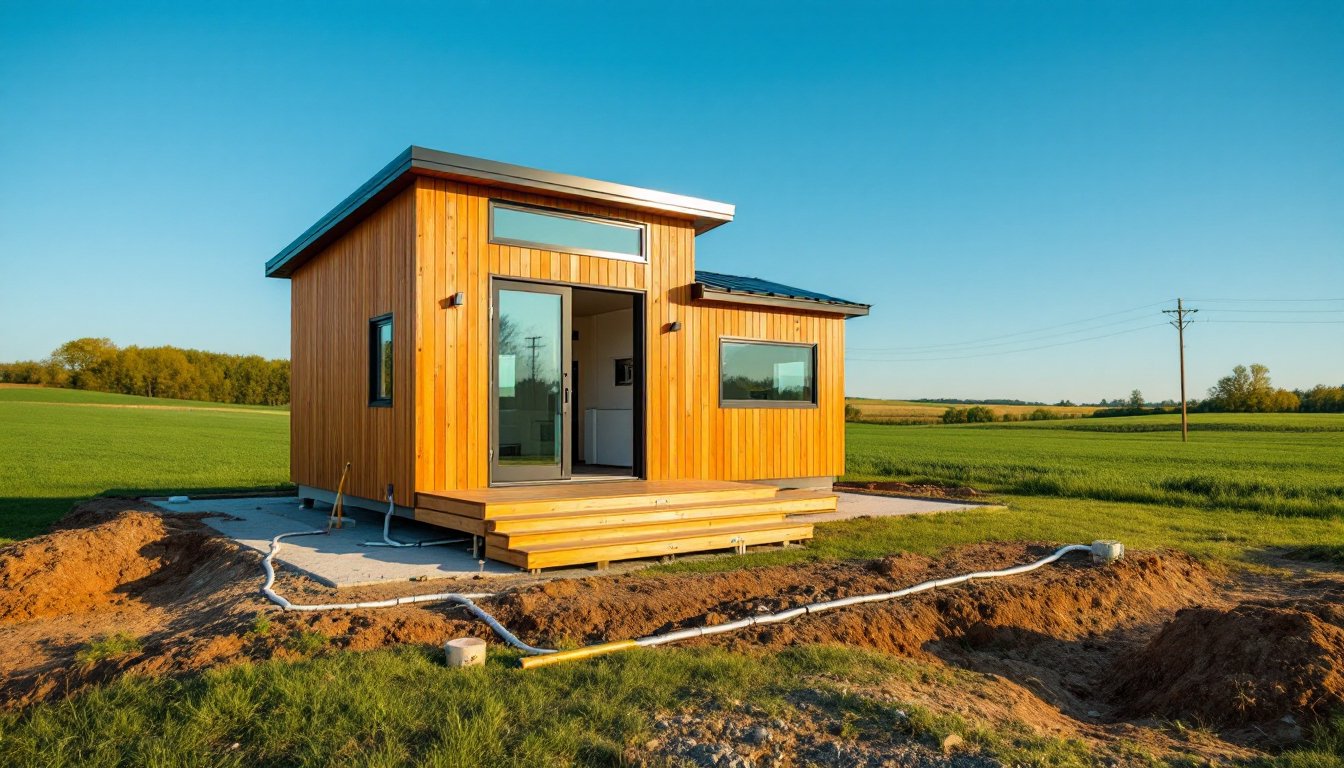
Foundation and site prep expenses often blindside buyers. If building on land without existing utilities or foundation work, costs escalate quickly. A simple slab foundation runs $5,000 to $15,000 for a 250-square-foot footprint, while a full basement or crawlspace costs double or triple that amount. Soil testing, grading, and erosion control add another $2,000 to $8,000.
Permits and inspections vary dramatically by jurisdiction but rarely cost less than $1,000 to $5,000 for complete approval. Some counties require separate permits for electrical, plumbing, and structural work, stacking fees quickly. Building inspectors will want to verify the structure meets local codes, and codes vary. What’s approved in one county may face rejection 20 miles away, forcing design revisions that cost time and money.
Hitching and towing equipment adds expense for THOW models. A heavy-duty trailer rated for a 300-square-foot tiny house costs $8,000 to $15,000. Tow vehicle upgrades (upgraded hitch, electrical systems, brake controllers) can run another $3,000 to $10,000 if the buyer doesn’t already own suitable equipment.
Insurance and financing costs aren’t always transparent upfront. Tiny house mortgages are harder to secure than traditional home loans: many lenders view them as high-risk. Interest rates may run 1-2% higher, and some banks require larger down payments. Insurance premiums for THOWs can range from $800 to $2,000 annually, compared to $1,200-$2,500 for traditional homes of similar value, sometimes higher if the insurer classifies the unit as an RV.
Parking or placement fees apply if the buyer doesn’t own land outright. Tiny house communities charge monthly lot rent between $300 and $1,500 depending on location and amenities. Over a decade, that’s $36,000-$180,000 in additional costs, a staggering figure often overlooked in budget planning.
Connection and upgrade costs add up too. Solar system installation (popular for tiny house energy independence) costs $8,000 to $20,000 for a modest 3-5 kW system. Septic systems, greywater recycling, or composting toilet setups each carry their own expense lines.
Conclusion
Tiny house pricing in 2026 reflects far more than structure cost alone. A buyer might budget $60,000 for a prefab unit, only to discover land costs, permits, site prep, utilities, and ongoing fees total another $150,000 or more. The real affordability argument for tiny houses centers on long-term financial freedom, lower mortgage balances, reduced utility bills, and minimal maintenance, rather than rock-bottom initial purchase prices. Understanding the complete cost picture before committing prevents budget surprises and ensures the investment truly delivers the financial relief tiny house living promises.