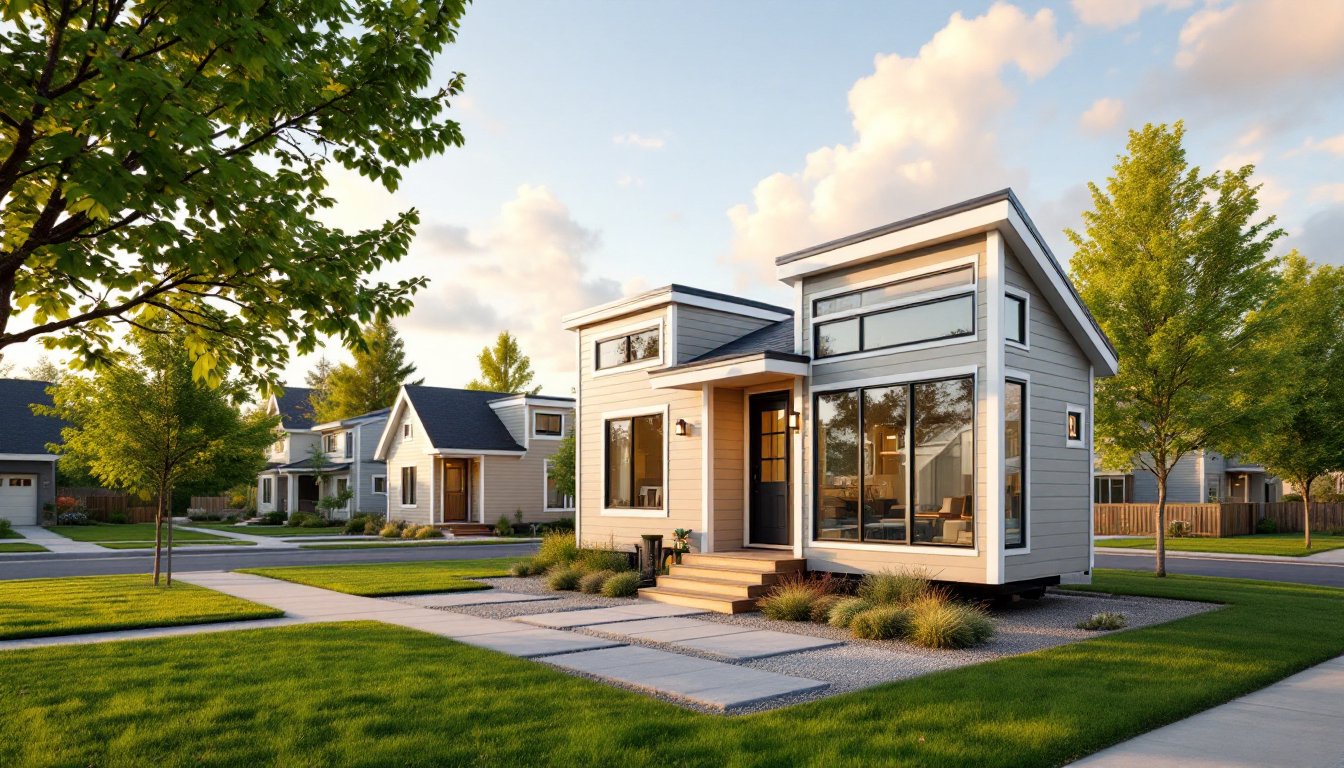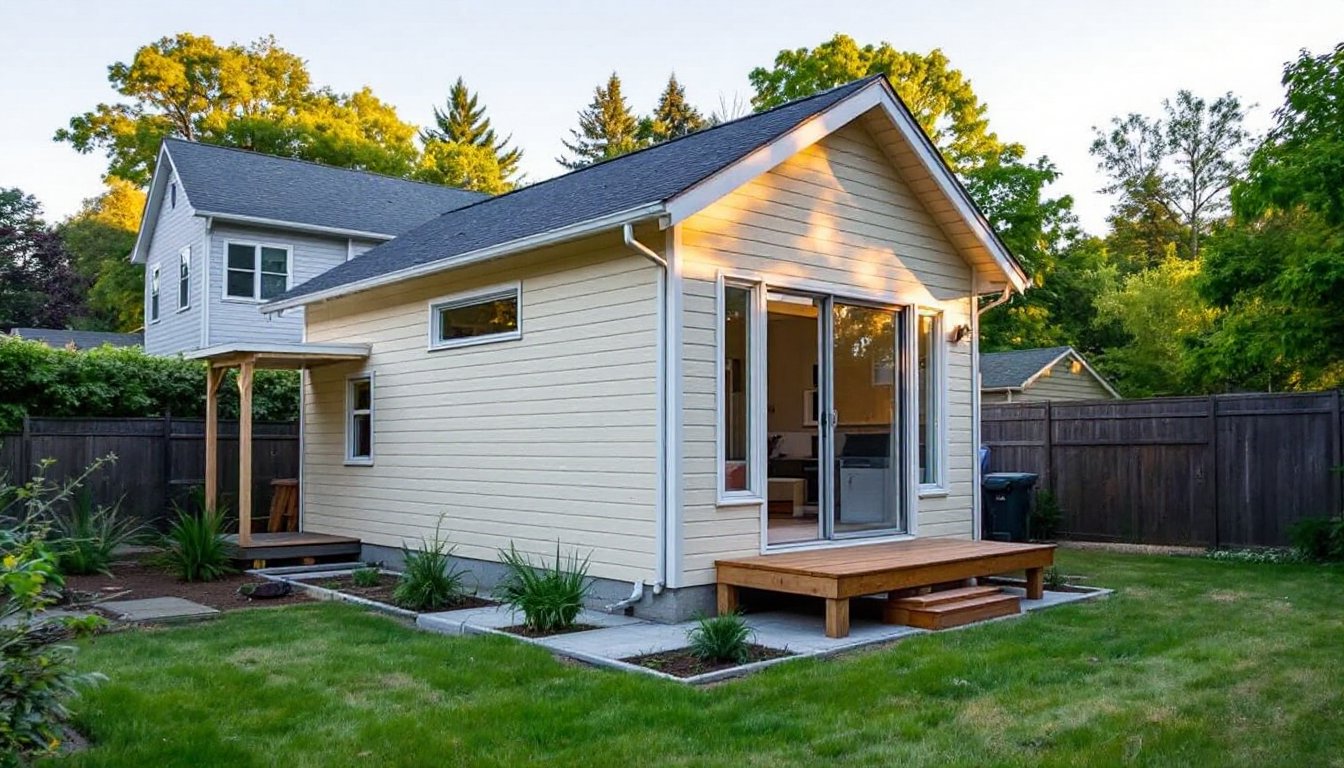

Colorado’s booming tiny home movement reflects a larger shift in how people approach homeownership, sustainability, and community living. In 2026, tiny homes in Colorado represent a practical alternative to conventional housing, offering affordability without sacrificing access to the state’s outdoor culture and vibrant towns. Whether someone is priced out of the traditional real estate market or simply wants a lower-maintenance, environmentally conscious lifestyle, Colorado’s diverse landscape and increasingly supportive policies make it an ideal location for tiny home living. This guide walks through the why, where, and how of building or buying a tiny home in Colorado.
Table of Contents
ToggleKey Takeaways
- Tiny homes in Colorado cost $60,000–$150,000 fully built, significantly less than the state’s $650,000 median home price, making homeownership more accessible for younger professionals and retirees.
- Colorado’s 300+ sunny days annually, mountain landscape, and outdoor culture make tiny homes practical and appealing, as residents spend less time indoors and benefit from passive solar design.
- Zoning laws vary dramatically across Colorado counties and municipalities, so prospective tiny home buyers must verify local regulations with their county assessor’s office before purchasing land or a kit home.
- Foundation-based tiny homes qualify as traditional residential construction with simpler permitting, while trailer-based homes may be classified as RVs and face stricter placement restrictions depending on the community.
- Rural mountain towns like Paonia, Basalt, and Nederland actively support tiny homes with lower land costs and fewer restrictions, making them ideal locations for buyers seeking affordability without sacrificing Colorado’s outdoor lifestyle.
- Financing tiny homes requires shopping beyond traditional mortgages, as credit unions and regional banks in Colorado now specialize in alternative housing loans with competitive rates for non-traditional properties.
Why Colorado Is Becoming a Tiny Home Hotspot
Colorado’s appeal for tiny home living stems from multiple converging factors. The state’s strong environmental ethos attracts residents who view downsizing as both an ethical and practical choice. Younger professionals and retirees alike are drawn to Colorado’s mountain towns and urban centers, yet traditional home prices have climbed steadily over the past five years.
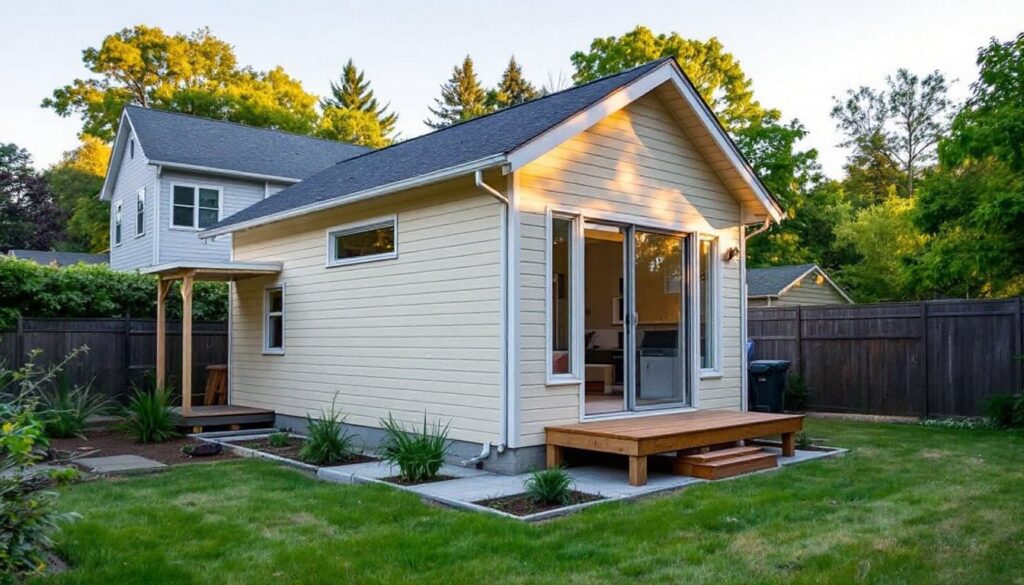
Tiny homes in Colorado offer a realistic entry point into property ownership. A modest 400-square-foot tiny home costs significantly less than a conventional two-bedroom house in places like Denver, Boulder, or Fort Collins, yet sits on actual land, not in an RV park. This distinction matters legally and psychologically: owners hold real property rather than mobile home registrations.
Beyond affordability, Colorado’s climate and geography suit tiny home design well. The state’s 300+ days of annual sunshine support passive solar heating and cooling strategies. Residents’ enthusiasm for outdoor recreation means smaller living spaces don’t feel cramped when residents spend time hiking, biking, and skiing rather than nesting indoors.
Zoning Laws and Regulations for Tiny Homes in Colorado
Zoning laws remain the largest hurdle for tiny home placement in Colorado. State law doesn’t mandate minimum square footage for residential units, but local jurisdictions vary dramatically. Denver, for instance, allows detached accessory dwelling units (ADUs) on single-family lots under specific conditions: but, a true tiny home (under 500 square feet) may still face restrictions.
County and municipal codes differ significantly. Some towns, particularly mountain communities experiencing housing shortages, have relaxed minimum square footage requirements or created tiny home-friendly overlay zones. Others maintain strict lot-size minimums that make tiny home placement impractical. Before purchasing land or a kit home, prospective owners must verify local zoning with their county assessor’s office or planning department.
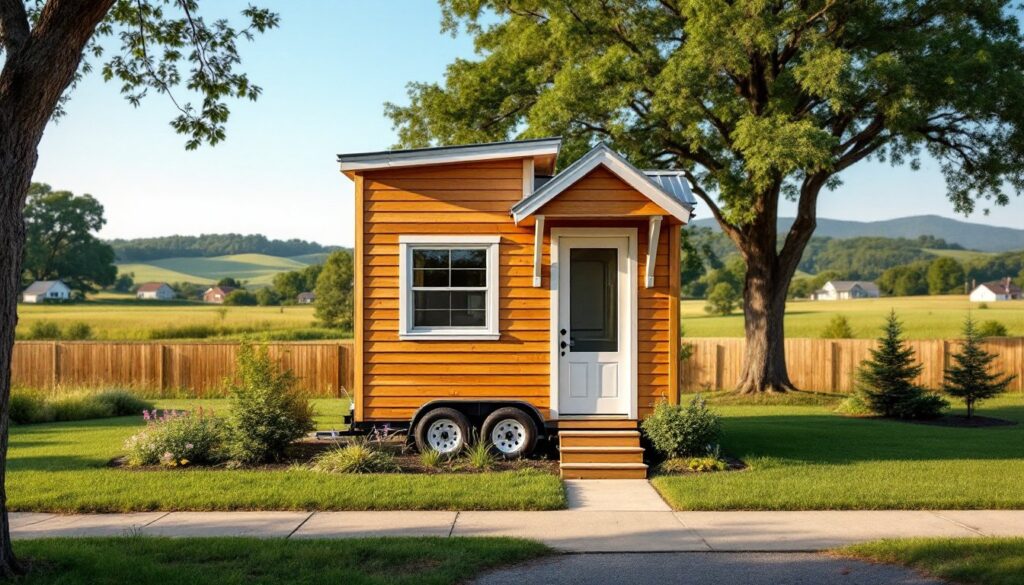
Buildability also depends on whether the tiny home sits on a permanent foundation or a trailer chassis. Foundation-based structures typically qualify as traditional residential construction, simplifying permitting. Trailer-based homes may be classified as RVs, complicating ownership and placement even though looking identical to foundation homes. Always check whether a community permits mobile homes on private land before committing to a purchase.
Finding Land and Communities
Finding land zoned for tiny homes is easier in some Colorado regions than others. Rural mountain counties, including Summit, Eagle, and Pitkin, have begun experimenting with tiny home communities as workforce housing solutions. These intentional communities often come with shared amenities, established utilities, and pre-zoned lots, eliminating much of the regulatory legwork.
Online platforms like Zillow, Trulia, and county assessor databases help identify available parcels. Local real estate agents familiar with tiny homes provide invaluable guidance on zoning compliance and emerging tiny home-friendly subdivisions. Don’t overlook smaller towns outside Denver’s metro area: places like Paonia, Basalt, and Nederland actively court tiny home residents and often have lower land costs and fewer restrictions.
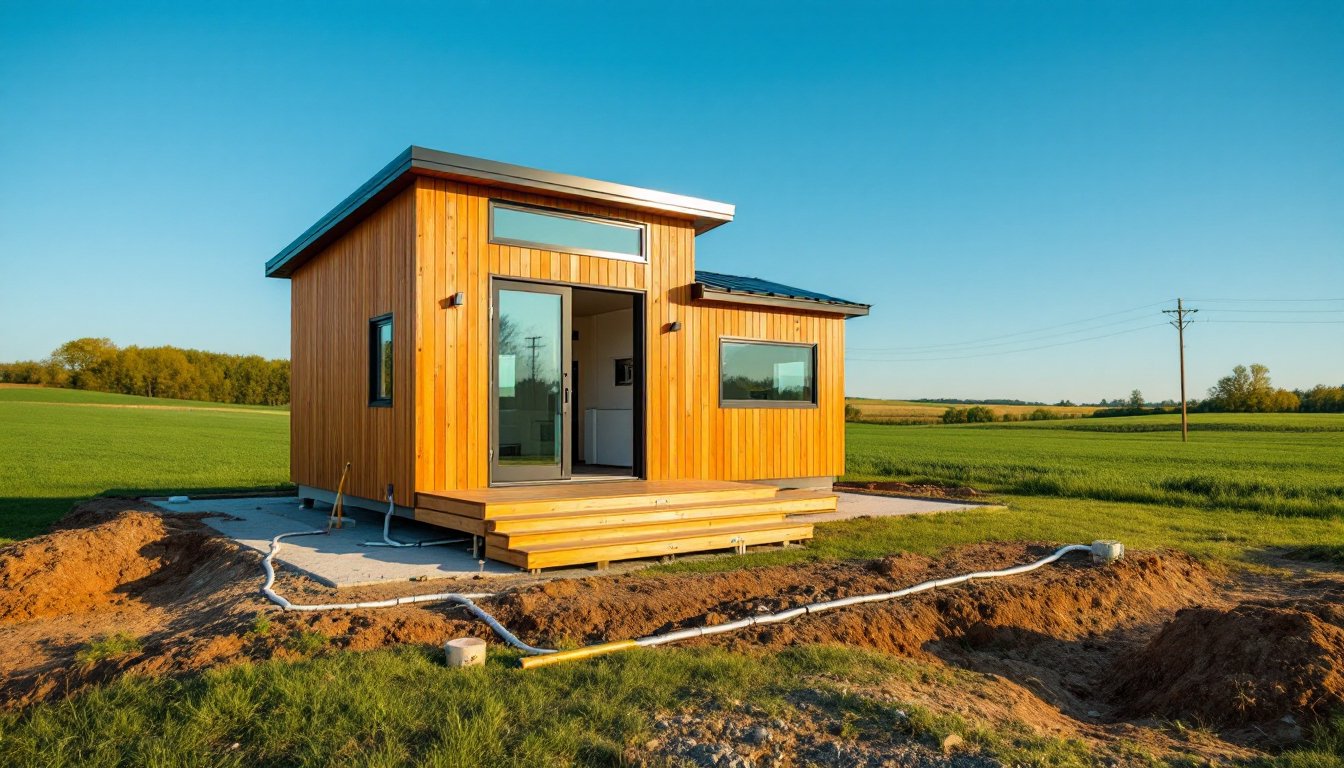
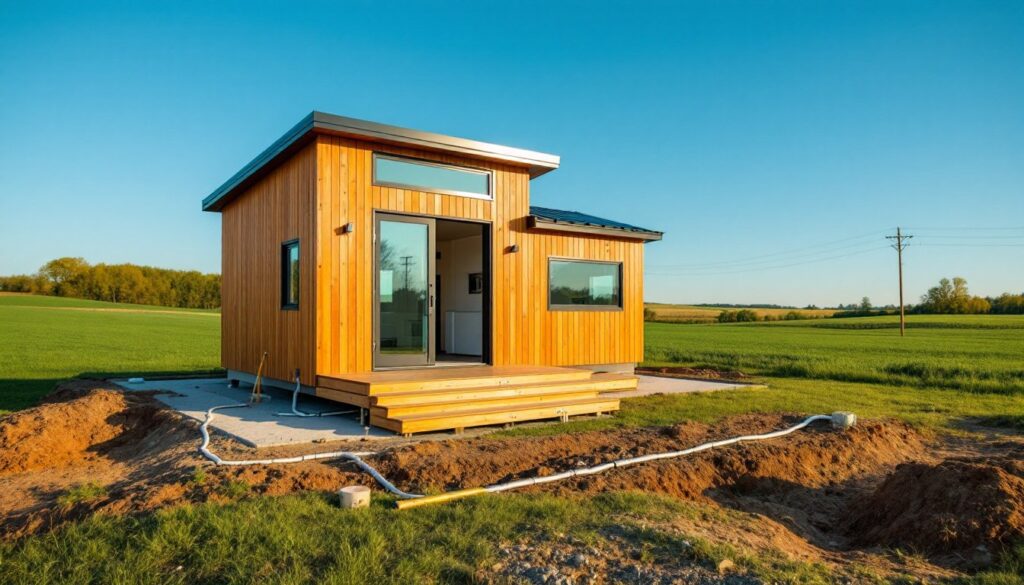
Acreage requirements vary widely. Some jurisdictions require minimum 1-acre lots: others allow tiny homes on 0.25-acre parcels. Verify utility access, particularly well and septic availability in rural areas, before purchase. Tiny homes need reliable water, power, and wastewater solutions just like conventional homes: rocky terrain or distance from public utilities can add $15,000 to $40,000 to development costs.
Cost Breakdown: What Tiny Homes Actually Cost in Colorado
A fully built tiny home in Colorado typically ranges from $60,000 to $150,000 for a 400-500 square-foot structure, depending on finishes and location. A kit home, walls, roof, and basic frame delivered ready for assembly, runs $25,000 to $60,000: labor and foundation add another $15,000 to $50,000. Land costs vary dramatically: rural properties average $15,000 to $40,000 per acre, while mountain or near-Denver lots can exceed $100,000 per acre.
Total project budgets (land, home, and foundation) often range from $80,000 to $250,000 for a turnkey tiny home on owned land. This remains substantially below Colorado’s median home price of $650,000 in 2026, but it’s not “cheap” in absolute terms. Utility connections, septic systems, driveway, and permitting add $10,000 to $30,000 depending on site conditions.
Financing Options and Challenges
Traditional mortgages can be difficult to secure for tiny homes under $50,000, as many lenders avoid loans below certain thresholds. Personal loans, home equity lines of credit, and RV loans (for trailer-based models) offer alternatives, though interest rates typically run 1-3% higher than conventional mortgages. Some credit unions and regional banks in Colorado specialize in alternative housing financing: shopping around is essential.
FHA loans technically allow tiny home purchases if the property meets minimum livability standards and the home is on a permanent foundation. But, appraisal challenges persist, appraisers trained on conventional homes sometimes struggle valuing tiny homes fairly. Working with a lender experienced in non-traditional properties eliminates guesswork.
Popular Tiny Home Styles and Features in Colorado
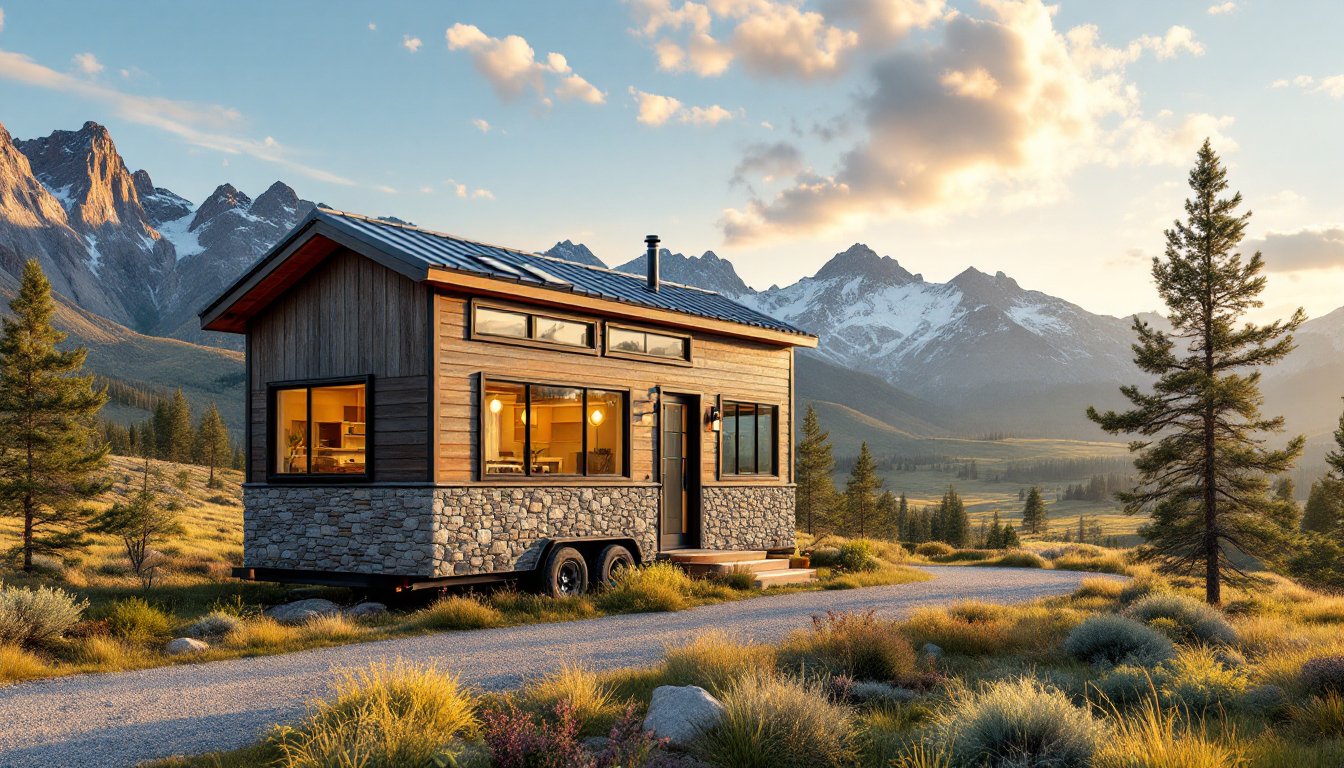
Colorado’s tiny homes blend mountain lodge aesthetics with modern efficiency. Pitched metal roofs handle heavy snow loads: standing-seam finishes shed water reliably in the state’s unpredictable weather. Many owners choose rustic exterior siding, wood, stone, or metal, that complements Colorado’s landscape while withstanding UV exposure and temperature swings.
Interior layouts prioritize functionality. Open-concept living areas eliminate walls between kitchen, dining, and living spaces, making 400 square feet feel larger. Lofted bedrooms are common, utilizing vertical space and freeing ground-level square footage. Built-in storage, under stairs, within walls, and above doorways, reduces clutter and maximizes usable room.
Energy efficiency is standard, not luxury. Insulated metal studs (2×6 walls with 5.5″ of foam or fiberglass) outperform traditional 2×4 framing in Colorado’s climate extremes. Triple-pane windows and air-sealing reduce heating and cooling loads significantly. Tankless water heaters and high-efficiency heat pumps (increasingly practical in Colorado’s dry climate) cut utility costs by 30-50% compared to conventional systems. Solar panels, though not standard, become cost-effective quickly given the state’s 300+ sunny days annually.
Conclusion
Tiny homes in Colorado offer genuine affordability and lifestyle flexibility for those willing to navigate zoning complexities and financing challenges. The state’s booming tiny home communities, particularly in mountain towns, signal growing acceptance and infrastructure support. Success requires thorough local research, realistic cost planning, and honest assessment of whether downsizing fits individual needs. For the right person or family, a Colorado tiny home represents a practical step toward sustainable, affordable homeownership.