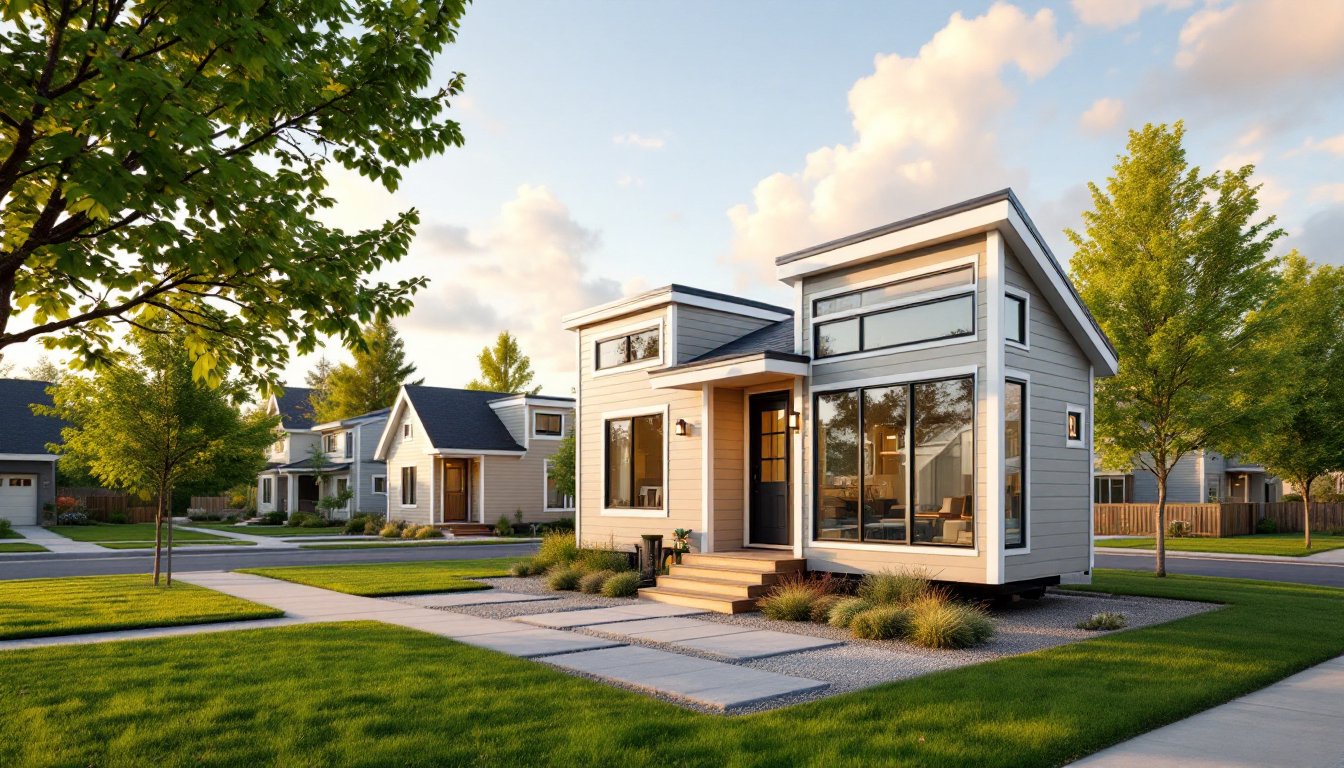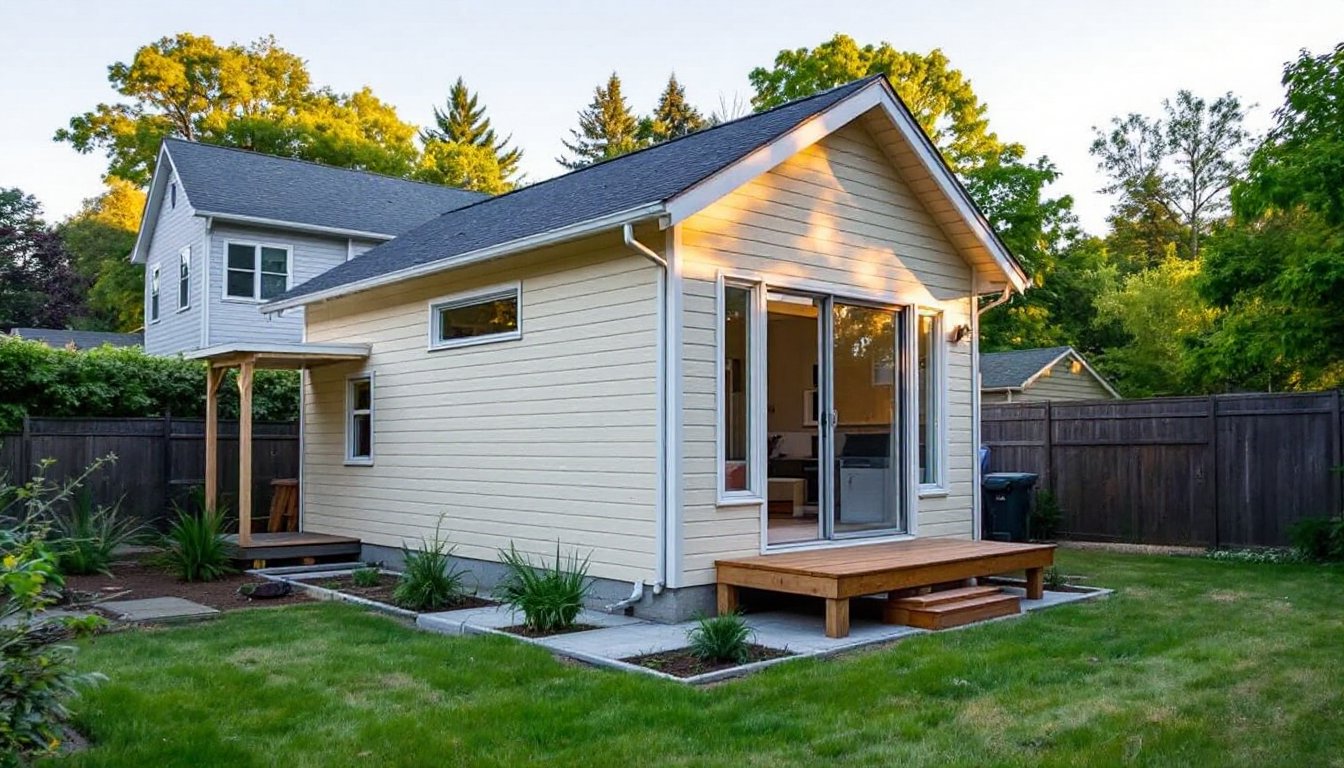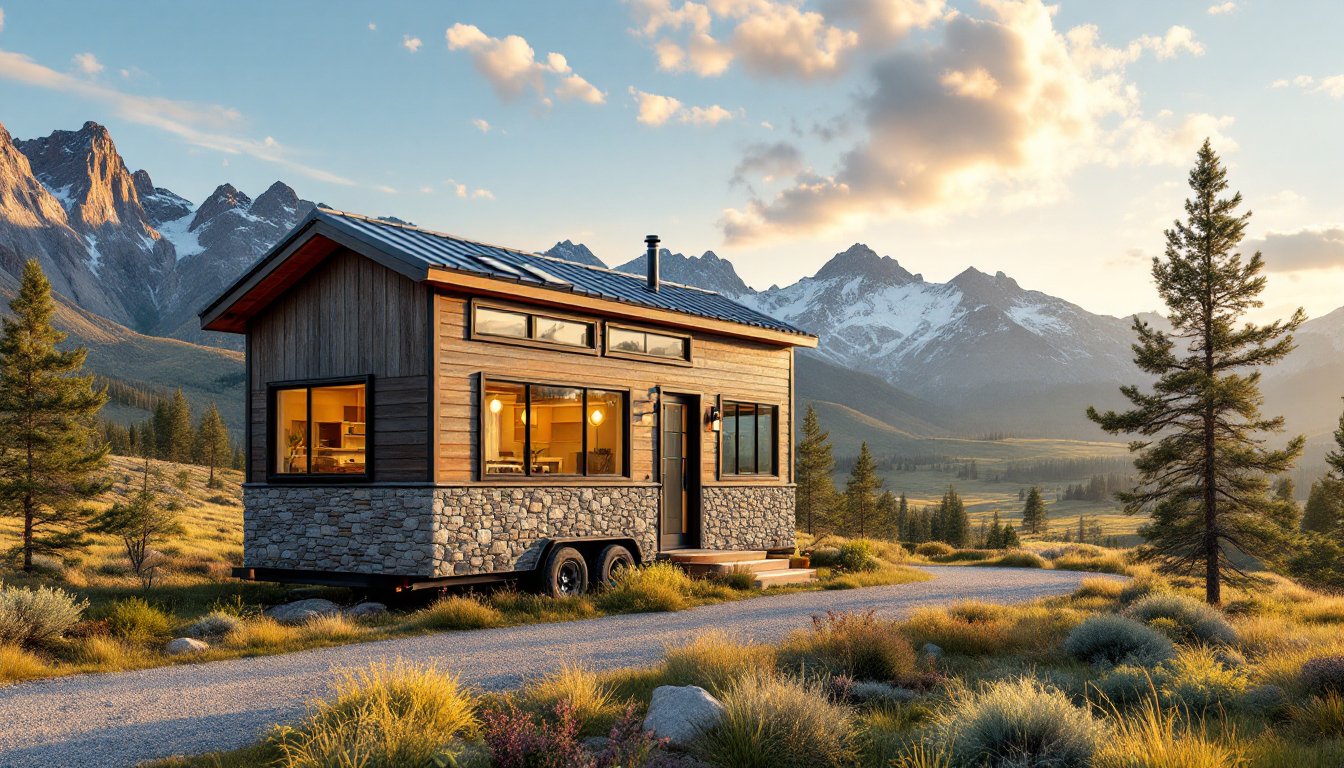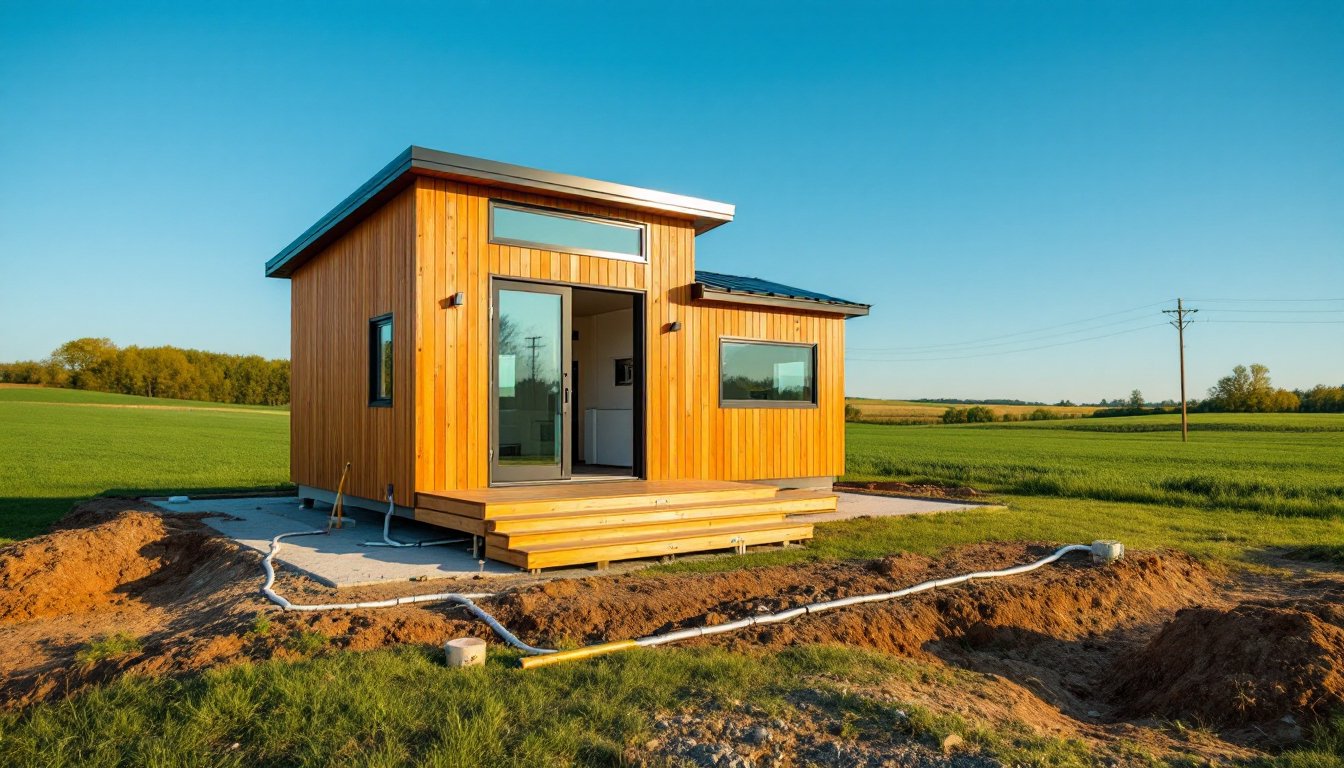

The appeal of tiny homes has evolved. What started as a minimalist trend has matured into a serious housing solution for families seeking lower costs, reduced maintenance, and a simpler lifestyle. Large tiny homes, typically ranging from 600 to 1,200 square feet, bridge the gap between traditional houses and cramped micro-units, offering more breathing room than classic tiny homes while retaining affordability and efficiency. Unlike their smaller cousins, large tiny homes don’t force occupants to sacrifice comfort or functionality. They’re built around smart design principles, intelligent storage, and purposeful layouts that make every square foot count. Whether someone is downsizing, building on limited land, or simply rejecting the oversized house trap, understanding how these homes work is the first step to recognizing whether one fits their situation.
Key Takeaways
- Large tiny homes (600–1,200 square feet) bridge affordability and comfort by offering more livable space than classic tiny homes while costing $100,000–$200,000, significantly less than traditional houses.
- Smart design features—including multi-functional spaces, high ceilings, and vertical storage—make large tiny homes feel spacious and functional without wasted square footage.
- Monthly utilities and maintenance costs for large tiny homes are 30–50% lower than traditional houses, creating substantial long-term savings on heating, cooling, and repairs.
- Large tiny homes fit on smaller or irregular lots, making them viable for rural properties, urban infill projects, and tight inherited land situations where conventional houses won’t work.
- The intentional layout of large tiny homes reduces consumption and decision fatigue while encouraging families to spend quality time in shared spaces rather than maintaining unused rooms.
What Are Large Tiny Homes?
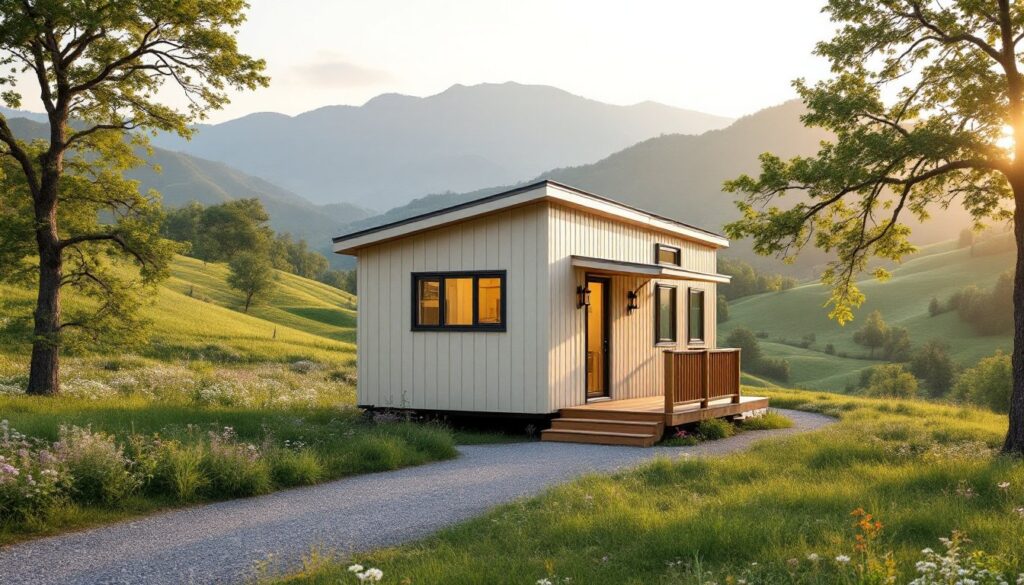
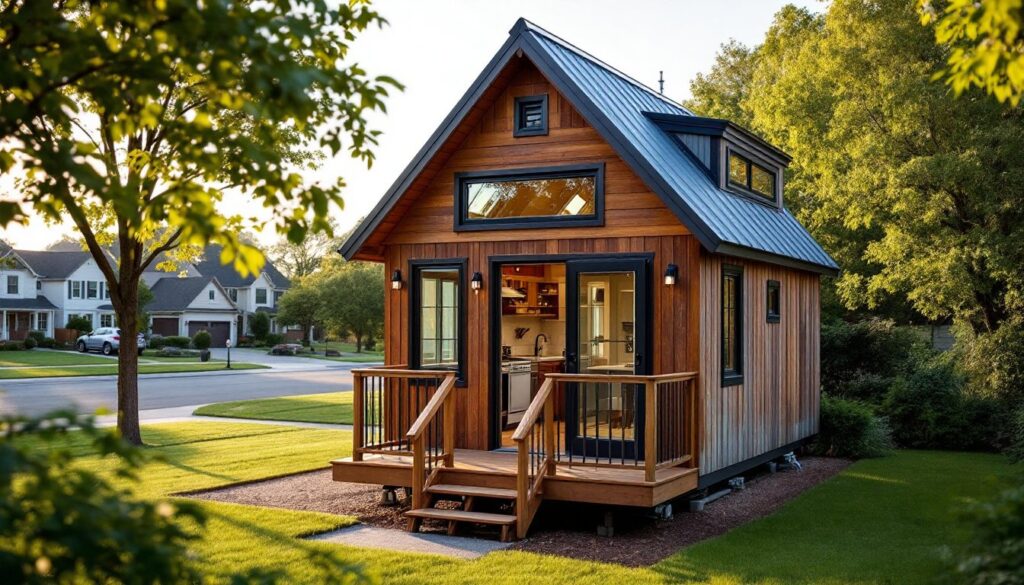
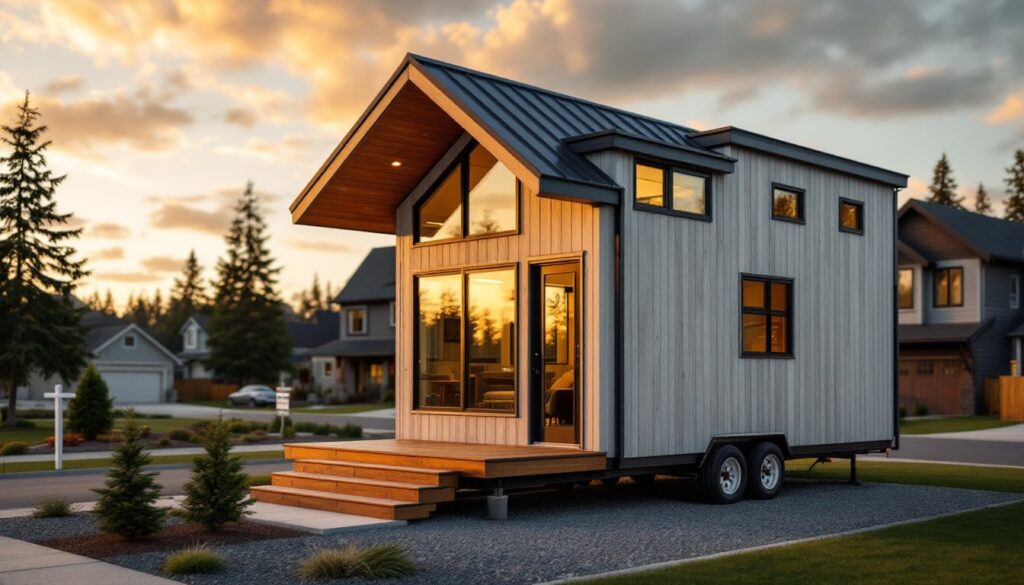
Large tiny homes sit in a sweet spot: bigger than the 400-square-foot units that defined the original tiny home movement, yet substantially smaller than the median 2,000+ square-foot suburban house. Most range from 600 to 1,200 square feet and may sit on a permanent foundation, wheels, or a small plot of land.
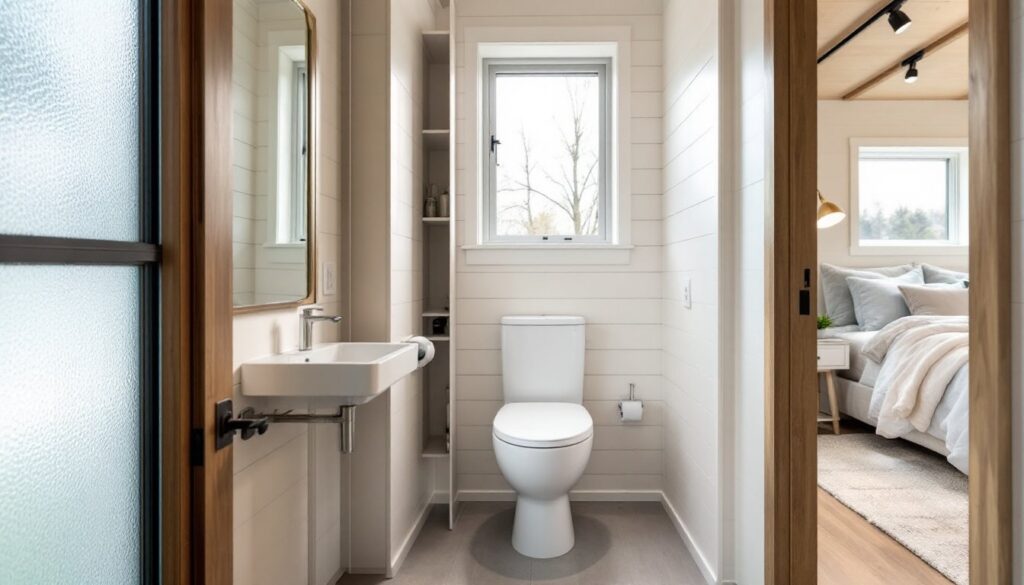
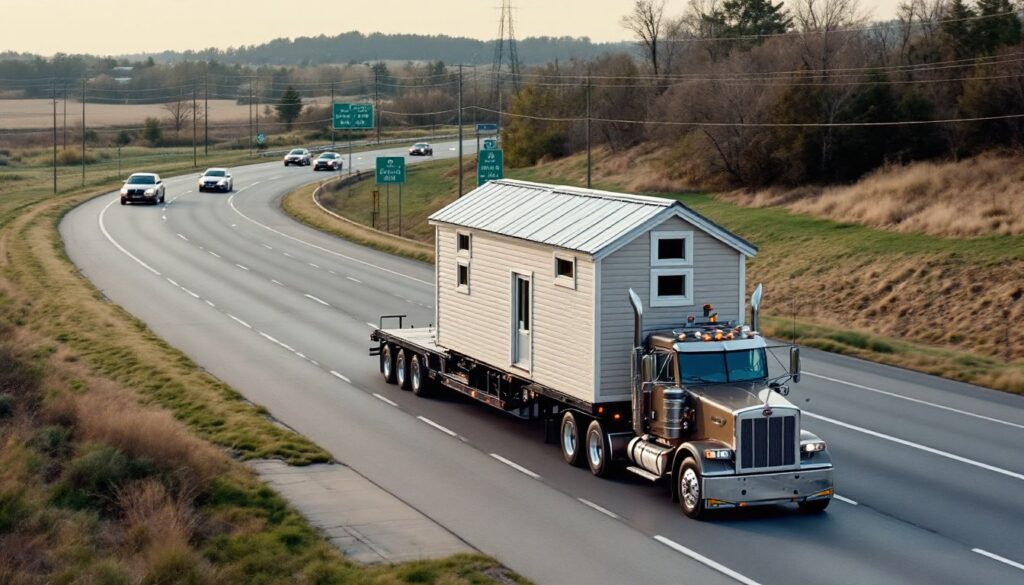
The term “tiny home” doesn’t mean claustrophobic. These structures typically feature one or two bedrooms, a full kitchen, a bathroom (or two), and genuine living space, not a converted closet masquerading as a bedroom. Some are built in a factory with precision engineering: others are custom-designed by architects specializing in compact living. On wheels (tiny house trailers), they remain mobile: on foundations, they function identically to small cottages.
What sets them apart is intentionality. Every wall, appliance, and storage nook serves a purpose. There’s no wasted hallway or useless formal dining room. A large tiny home owner might have 800 square feet where a traditional house owner wastes 200 in poorly planned circulation space. That’s not a compromise, it’s strategy.
Key Design Features That Make Them Work
Large tiny homes don’t succeed by accident. They rely on proven design strategies that maximize livability without sprawl.
Multi-Functional Living Spaces
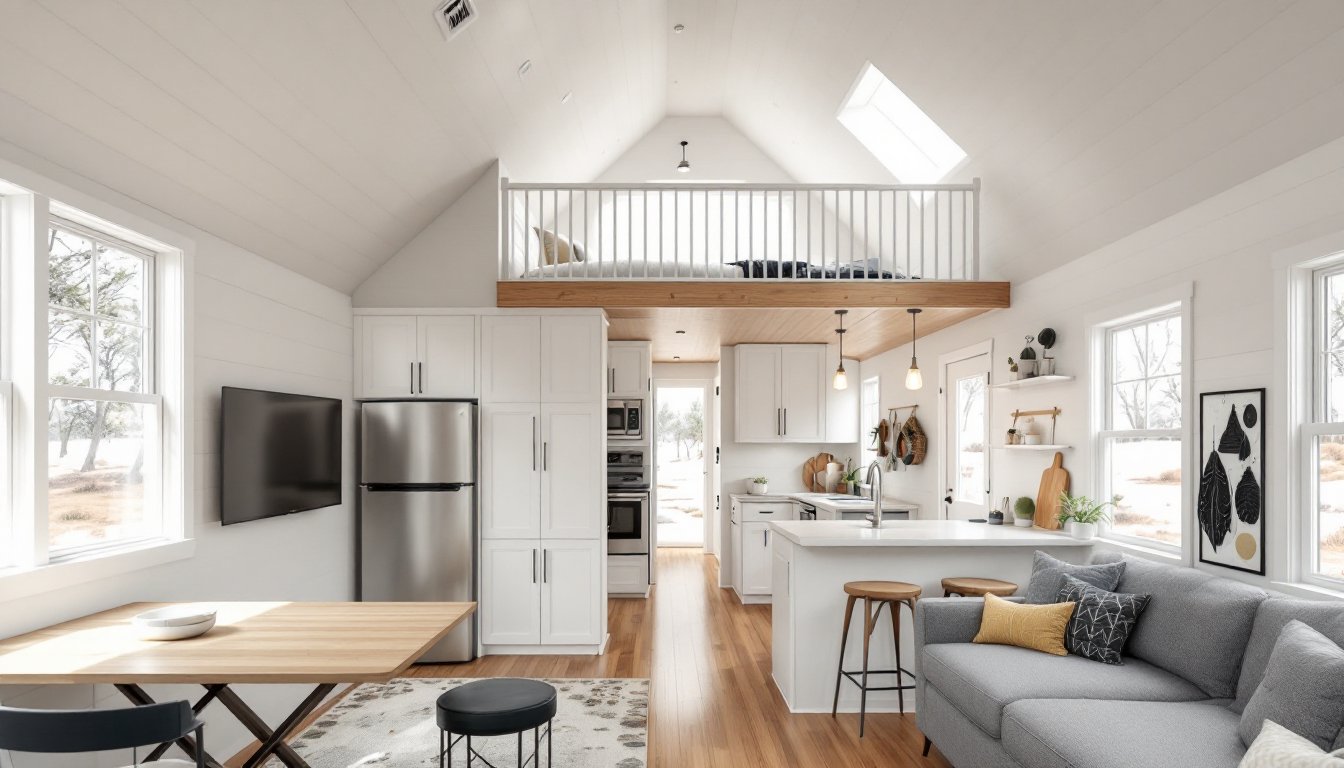
A large tiny home’s living area often serves multiple roles. The kitchen might flow directly into a dining space, which connects to a small sitting area, all visually open, but clearly zoned. This requires thoughtful flooring choices: hardwood or polished concrete in a main zone can define areas without walls, while a small area rug or a subtle level change (a 4- to 6-inch step or ramp) can separate a sleeping loft from the room below without blocking sightlines.
High ceilings (often 9 to 12 feet in the main living area) are standard. This vertical real estate prevents the space from feeling cramped and allows designers to incorporate lofted bedrooms or storage above the main floor. Some large tiny homes use open-concept kitchens with a knee wall or half-wall (roughly 42 inches tall) that breaks up the visual monotony while preserving the illusion of spaciousness.
Movable furniture is also key. Lightweight tables that fold or nest, modular seating, and roll-away storage carts let occupants reconfigure their space based on the day’s needs: one moment it’s an office, the next a guest bedroom.
Smart Storage Solutions
Storage makes or breaks a small home. Large tiny homes incorporate deep cabinets that run floor to ceiling, custom shelving, and often hidden compartments under stairs or in walls. Vertical storage is non-negotiable, wasting wall space is a design failure.
Built-in cabinetry sized for actual household items (not miniaturized possessions) is common. Deep pantries, pull-out drawers, and labeled bins keep clutter invisible. Some designs include a mudroom or entryway closet with hooks, shelves, and bench seating, a 3-foot-wide, 4-foot-deep space can handle a family’s outerwear and shoes without dominating the home.
Another strategy: garages or utility rooms in larger designs. A small 10-by-12-foot garage provides weather-protected storage and a workshop area without eating into living space. Alternatively, exterior storage sheds (6-by-8 feet or larger) keep seasonal items, tools, and bulk goods outside, freeing interior cabinets for everyday use.
Benefits of Choosing a Large Tiny Home
Large tiny homes offer tangible advantages beyond novelty value.
Affordability is the headline. A large tiny home typically costs $100,000 to $200,000 to build or purchase, compared to $300,000+ for a traditional house in many markets. Even on the higher end, the cost per square foot is substantially lower. Mortgage or loan payments, property taxes, and insurance are proportionally cheaper. For first-time buyers, recent divorcees, retirees, or families relocating to expensive regions, this is transformative.
Maintenance and utilities scale with the home. Heating and cooling a 800-square-foot house costs a fraction of what larger homes demand. Roof repairs, exterior painting, and lawn care are quick and inexpensive. Electricity and water usage drop dramatically, benefiting both the wallet and the environment. Someone living in a large tiny home typically spends 30–50% less on monthly utilities compared to a traditional house.
Land use is flexible. Large tiny homes fit on smaller lots, making them viable in rural areas where land is cheap or in urban infill projects where traditional houses can’t squeeze in. A homeowner with a small inherited property or a tight urban corner lot suddenly has options.
Forced intentionality improves quality of life. Downsizers report that smaller homes lead to less consumption, reduced decision fatigue, and stronger family connections. Without a home office, media room, and formal dining room to maintain, residents focus on quality time in shared spaces.
Resale and flexibility matter. While tiny home resale markets are still developing, large tiny homes (especially on permanent foundations in established neighborhoods) are gaining traction. Investors and first-time buyers are increasingly viewing them as affordable entry points or smart investments.
Conclusion
Large tiny homes represent a practical alternative to the traditional housing track. They combine the affordability and simplicity of the tiny home movement with the livability and comfort most families actually need. By prioritizing multi-functional spaces, intelligent storage, and smart layouts, these homes prove that smaller doesn’t mean lesser. For anyone struggling with mortgage payments, maintenance costs, or the absurdity of maintaining three empty bedrooms, a large tiny home is worth serious consideration.