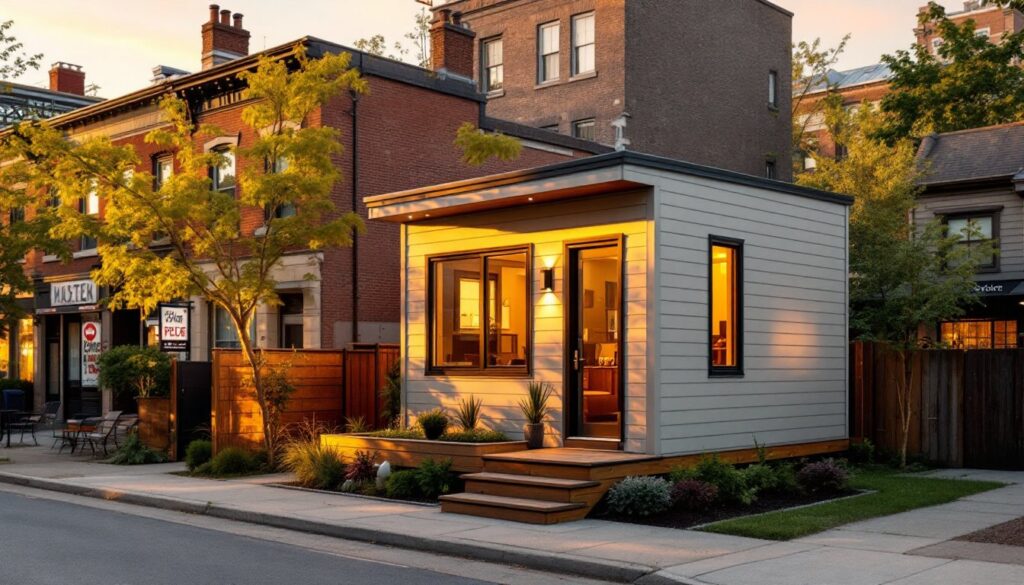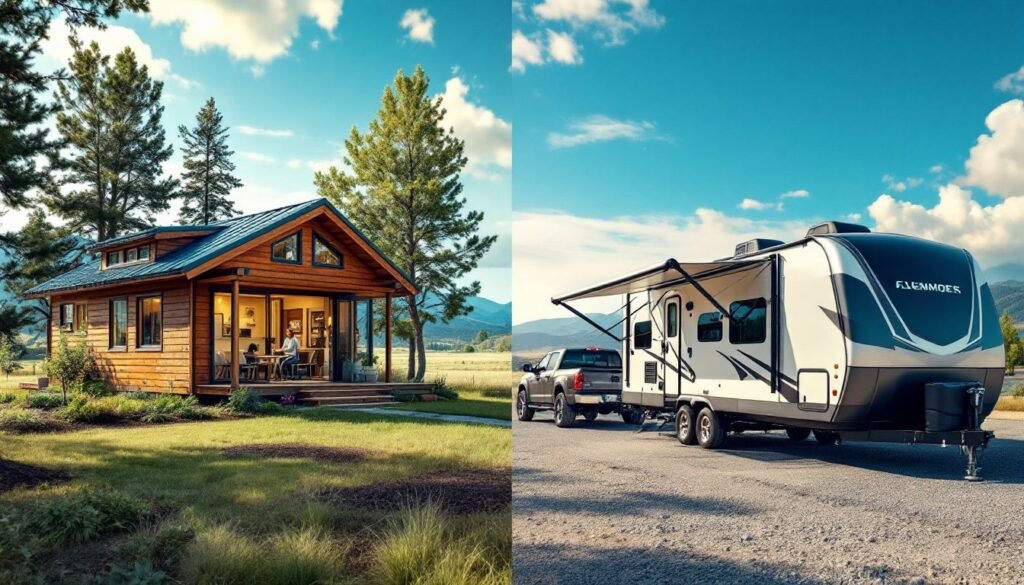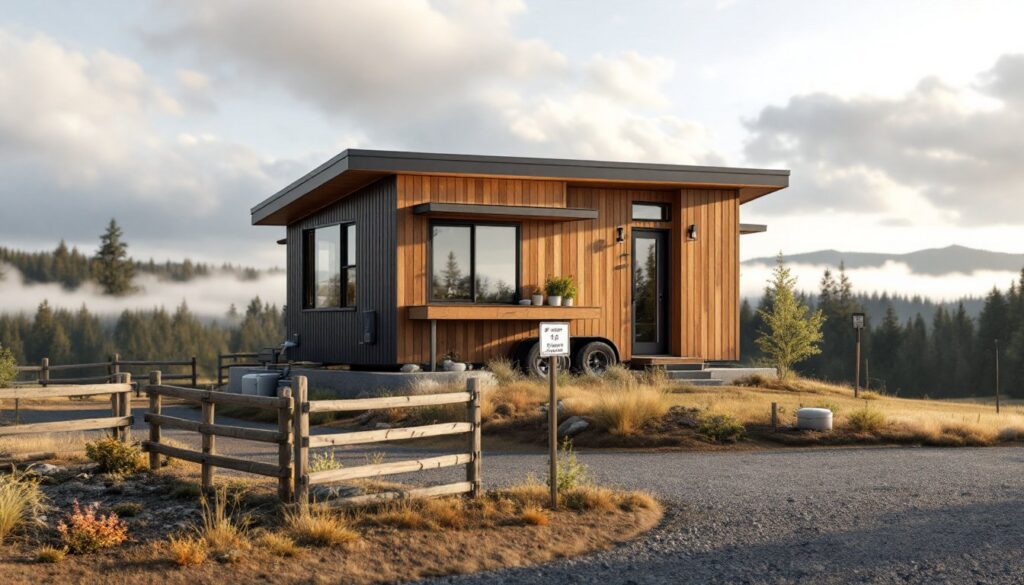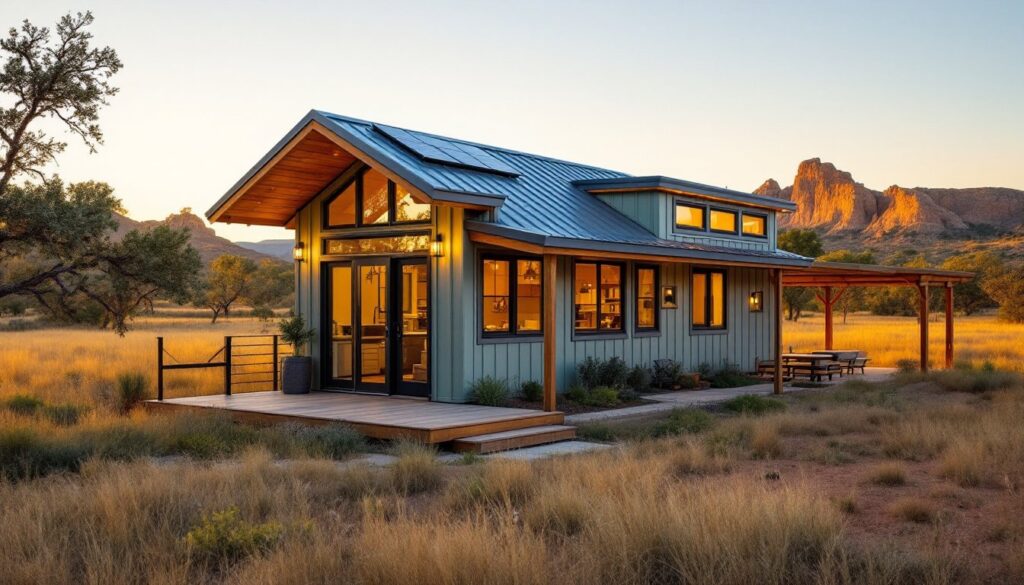

A tiny farm house combines the efficiency of small-space living with the self-reliance of homesteading. It’s not about roughing it, it’s about building a home that works with the land instead of against it. In 2026, tiny farm living has moved beyond niche appeal into practical reality, with better materials, proven layouts, and a growing community of people making it work. Whether someone wants to reduce utility bills, grow their own food, or simply step back from suburban sprawl, a tiny farm house offers a concrete path forward. The best part? It’s achievable on a DIY budget with careful planning and honest assessment of what off-grid and sustainable actually mean.
Key Takeaways
- A tiny farm house combines compact living (under 1,000 square feet) with 1–5 acres of productive land, integrating renewable energy, water harvesting, and food production into a self-sufficient primary residence.
- Tiny farm living reduces monthly utility costs dramatically through solar systems, passive heating, and water harvesting, with homeowners saving $100,000+ over 20 years compared to conventionally built grid-connected homes.
- Realistic on-site food production covers 30–60% of household needs on 1–2 acres, while chickens and livestock provide reliable protein sources that build food security and reduce grocery expenses.
- Successful design requires strategic site orientation for passive solar gain, accessible equipment storage, proper water storage (minimum 1,500 gallons per person), and 2–3 days of battery capacity for off-peak power resilience.
- Permits and site assessment are non-negotiable first steps—hire a surveyor, test soil and water availability, and confirm zoning and off-grid regulations with local building departments before breaking ground.
- Budget $80,000–$200,000 for construction plus $40,000–$80,000 for infrastructure systems, and phase your project realistically to avoid undersized systems and costly retrofits.
What Defines A Tiny Farm House
A tiny farm house is typically a dwelling under 1,000 square feet built on agricultural land with systems designed for self-sufficiency. It’s not a garden shed or a vacation cabin, it’s a permanent primary residence where someone can actually live, work, and produce food year-round.
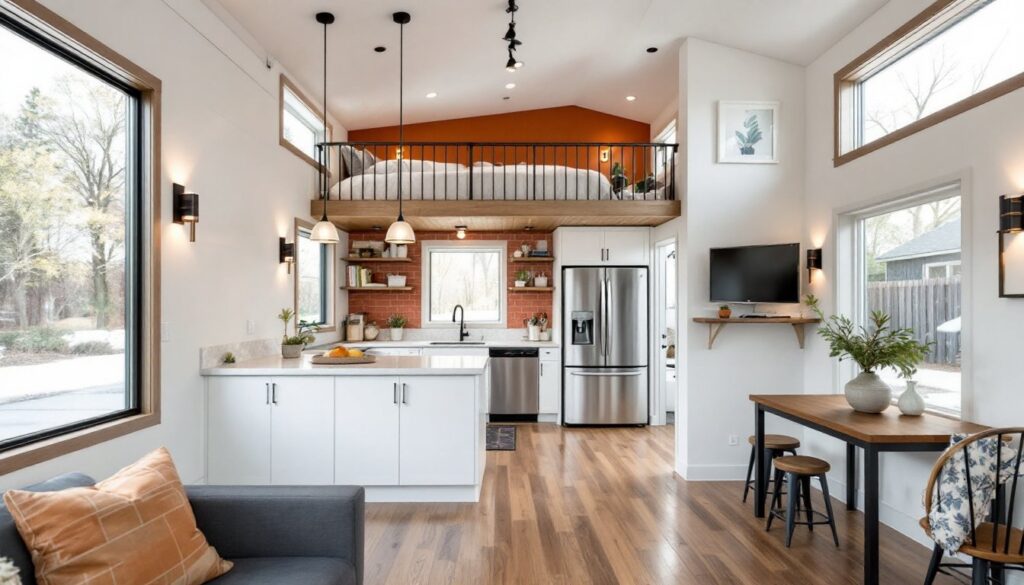
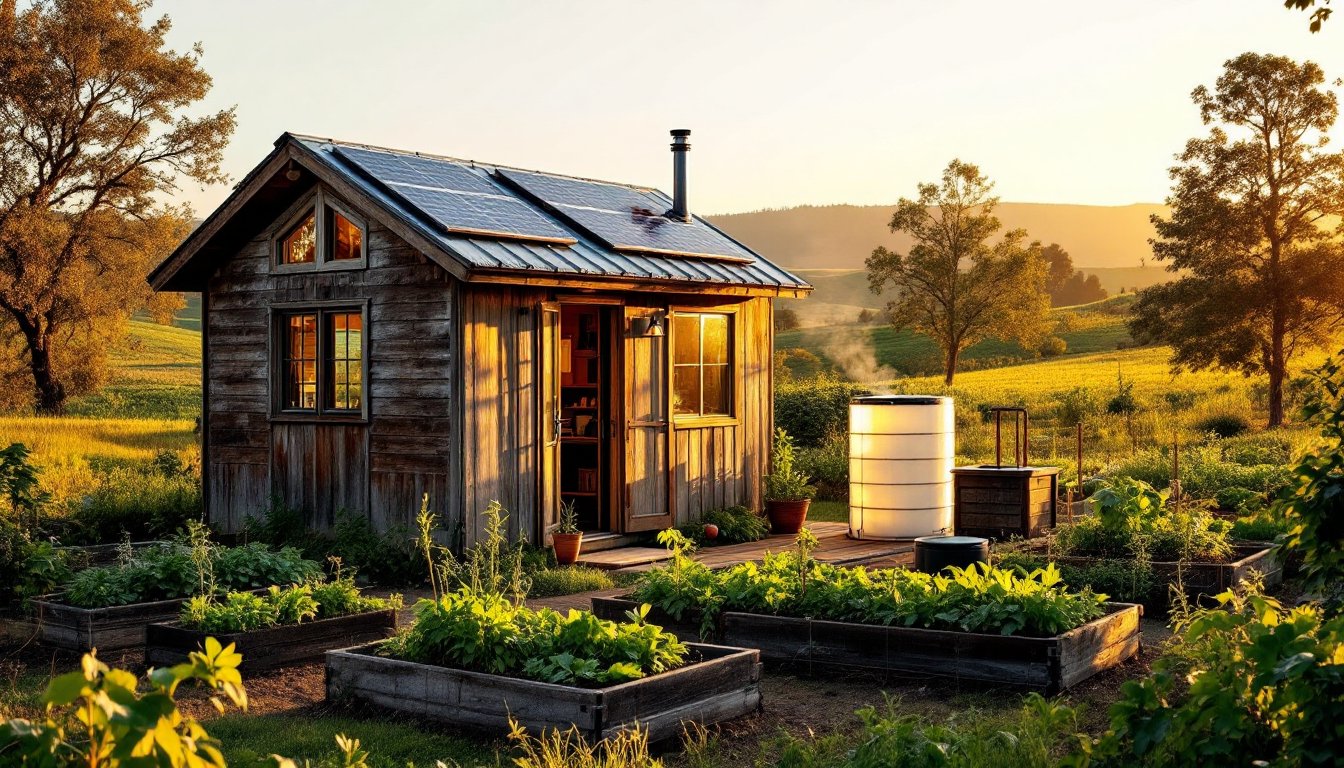
Key characteristics include on-site water sourcing (well, spring, or rainwater harvesting), energy independence (solar panels, sometimes a wind turbine), waste management (composting toilets or septic systems), and garden space for crops or livestock. The structure itself is intentionally compact: sleeping lofts, multipurpose rooms, efficient kitchens, and minimal hallway waste. Insulation is heavier than typical code minimums because heating and cooling shouldn’t rely on expensive grid power.
What separates it from a tiny home is the land context. A tiny house can sit on 0.25 acres in a manufactured community. A tiny farm house assumes at least 1–5 acres for vegetable gardens, fruit trees, chickens, and potentially larger livestock. The footprint is small, but the system is expansive and integrated with natural cycles.
Key Benefits Of Tiny Farm Living
Lower Costs And Reduced Environmental Impact
The financial appeal is straightforward: a tiny farm house costs less to build (often $150–$300 per square foot in rural areas, versus $200–$400 for conventional homes). Monthly utility bills drop dramatically, solar systems eliminate electricity costs within 7–10 years, and passive heating reduces propane use. Water harvesting cuts municipal bills to near zero. Over a 20-year mortgage, owners can save $100,000+ compared to a conventionally built home on the grid.
Environmentally, the impact is measurable. A typical household generates 16 metric tons of CO₂ yearly: off-grid living with renewable energy cuts that by 80–90%. Food production on-site eliminates transportation emissions and packaging waste. Composting closes the nutrient loop. Greywater systems reduce municipal strain.
Self-Sufficiency And Food Production
Growing 30–60% of household food on 1–2 acres is realistic with proper planning. A typical garden yields 50–100 pounds per 100 square feet annually, depending on climate and crop. Chickens provide 200+ eggs yearly per bird, and dairy goats produce 1–3 gallons of milk daily. These aren’t luxuries, they’re calorie, protein, and nutrient sources that reduce grocery costs and build food security.
Self-sufficiency extends to water management: a 1,500-square-foot roof can capture 75,000+ gallons yearly in moderate climates (roughly 200 gallons per day). A properly sized storage tank covers dry seasons or peak demand. Solar thermal systems provide hot water without grid electricity. The learning curve is real, but once established, these systems run with minimal intervention and zero external costs.
Essential Design And Layout Considerations
Successful tiny farm house design starts with site orientation and prevailing winds. Place the structure to maximize southern exposure (in the Northern Hemisphere) for passive solar gain and reduced heating demand. Position gardens and livestock areas downwind to avoid odors near living spaces. Allocate at least 50% of your 1–5 acres to productive land: the remaining 50% accounts for setbacks, access roads, and future expansion.
Inside, resist the urge to shrink every dimension. A standard 8-foot ceiling feels suffocating: 9 feet is minimal for 400-square-foot homes. Use sleeping lofts efficiently, they’re perfect for loft bedrooms but require good ventilation to avoid heat stratification. The kitchen and water systems are your utility core: install washable, durable surfaces (stainless steel, sealed concrete, tile) because real farm work gets messy.
Mechanical systems, solar panels, battery banks, water tanks, septic/composting toilets, need accessible locations outside the living space. A separate equipment shed or insulated utility room protects wiring, plumbing, and control systems from weather and makes maintenance straightforward. Anticipate maintenance: rough terrain and rural locations mean you’ll be troubleshooting systems yourself, so design for visibility and accessibility, not aesthetics.
Water storage is critical. A 1,500-gallon tank minimum per person covers 50 gallons per day for 30 days of no rainfall or well downtime. In arid climates, double that. Battery capacity should store 2–3 days of off-peak power for cloudy weather. These systems are expensive ($5,000–$20,000+ installed), so plan the site layout before breaking ground.
Getting Started With Your Tiny Farm House
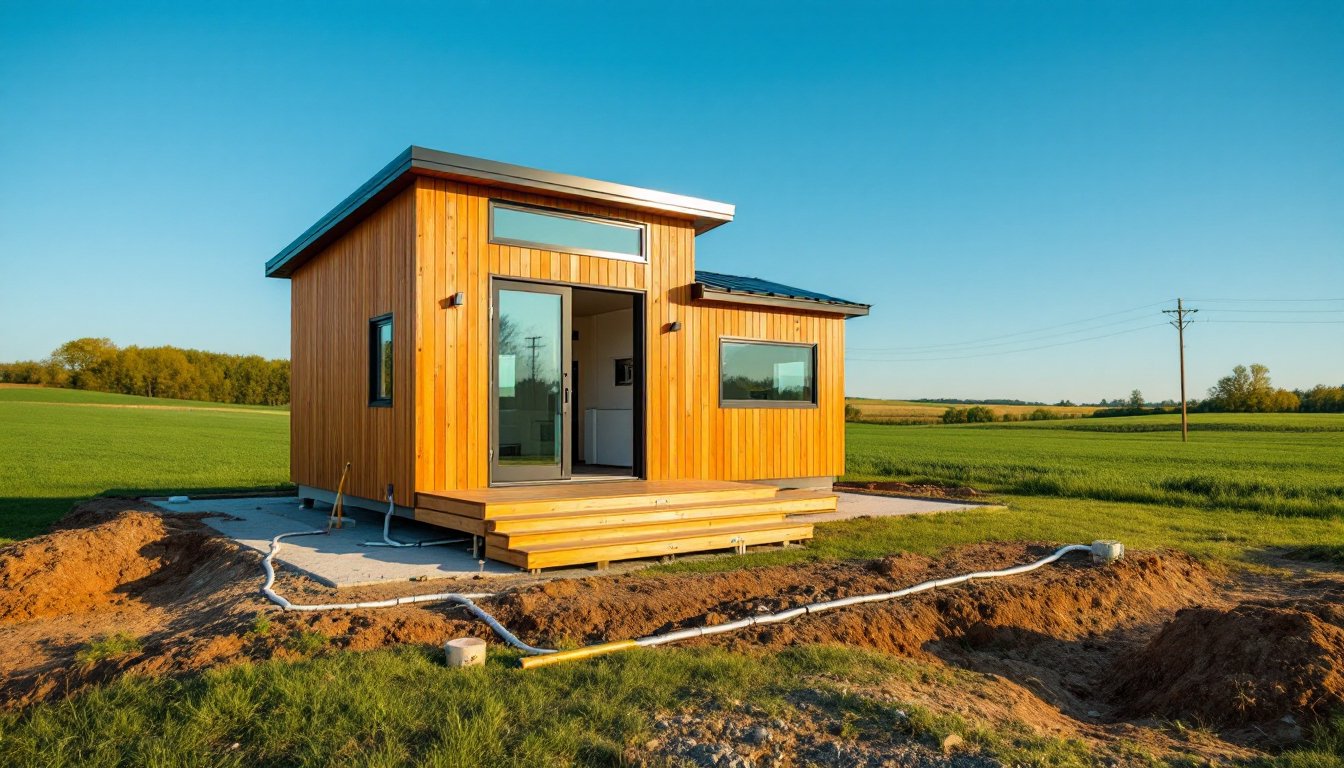
Start with site assessment. Hire a surveyor to mark boundaries and identify building setbacks, wetlands, and easements. Test the soil (free through most county extension services) for growing potential. Assess water availability: do neighbors have wells? Is there a spring or year-round stream? Dig test holes to estimate seasonal groundwater depth. Check the land’s zoning classification, many rural properties allow detached dwellings under 1,000 square feet, but septic systems, livestock, and renewable energy installations have varying code requirements by county and state.
Permits are non-negotiable for structural work, electrical, plumbing, and septic systems. Some jurisdictions allow off-grid systems: others don’t. Get written confirmation in advance from your county building department and health department. Skipping permits costs far more in fines, insurance denial, or forced removal than doing it right. In most areas, a licensed contractor must sign off on electrical and septic work, even if you do demolition or finish carpentry yourself.
Build a phased plan. Many successful tiny farmers construct the shelter and basic utilities first (structure, roof, water, power), then add outbuildings (chicken coop, tool shed, root cellar) over time. Start gardening and small livestock production while you’re still learning, failures on year one or two won’t destroy your investment. Join local farming groups or extension services: experienced neighbors are invaluable for zone-specific advice on crop varieties, frost dates, and seasonal challenges.
Finally, budget conservatively. Tiny farm houses cost $80,000–$200,000 to build and outfit, depending on site conditions and system complexity. Infrastructure (well, septic, power system, water storage) can run $40,000–$80,000 alone. Don’t finance on the cheap, undersized systems mean constant frustration and expensive retrofits later.
Conclusion
A tiny farm house is a deliberate, long-term commitment to a different way of living. It requires honest assessment of skills, budget, and resilience, it’s not a weekend project or an Instagram aesthetic. But for those willing to invest time and capital upfront, the payoff is real: a home that costs less to own and operate, produces food and energy on-site, and allows genuine self-reliance. The infrastructure is proven, the designs are solid, and 2026 brings better materials and more experienced builders than ever before. Start with site assessment and local research, move through permits carefully, and phase your project realistically. The tiny farm house dream is achievable, but only with thorough planning and honest effort.