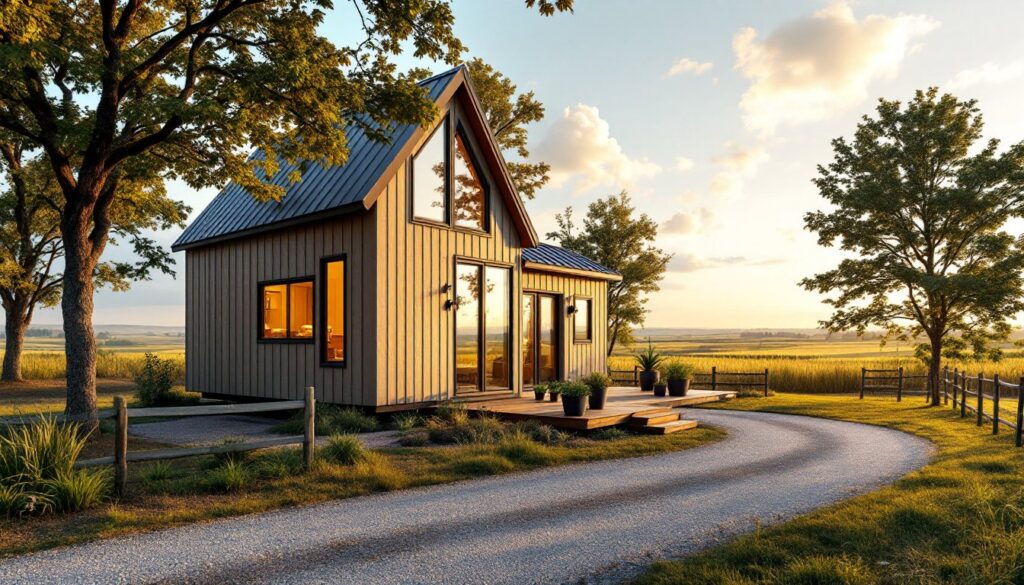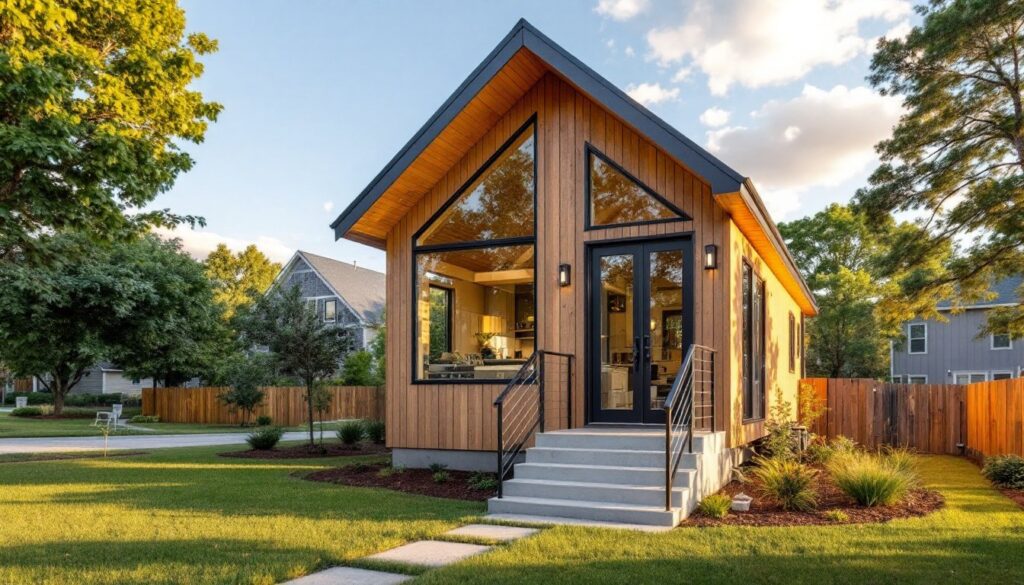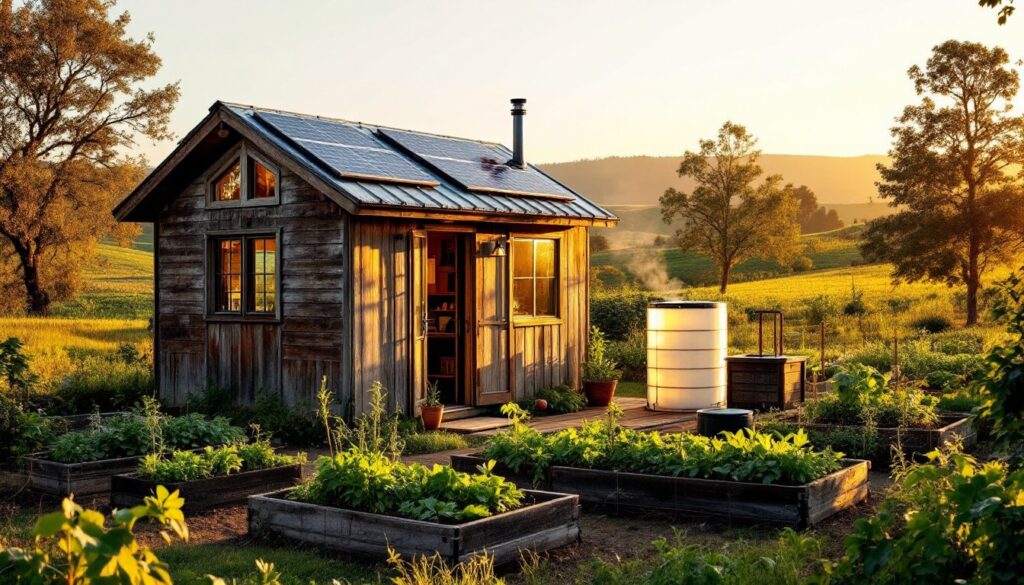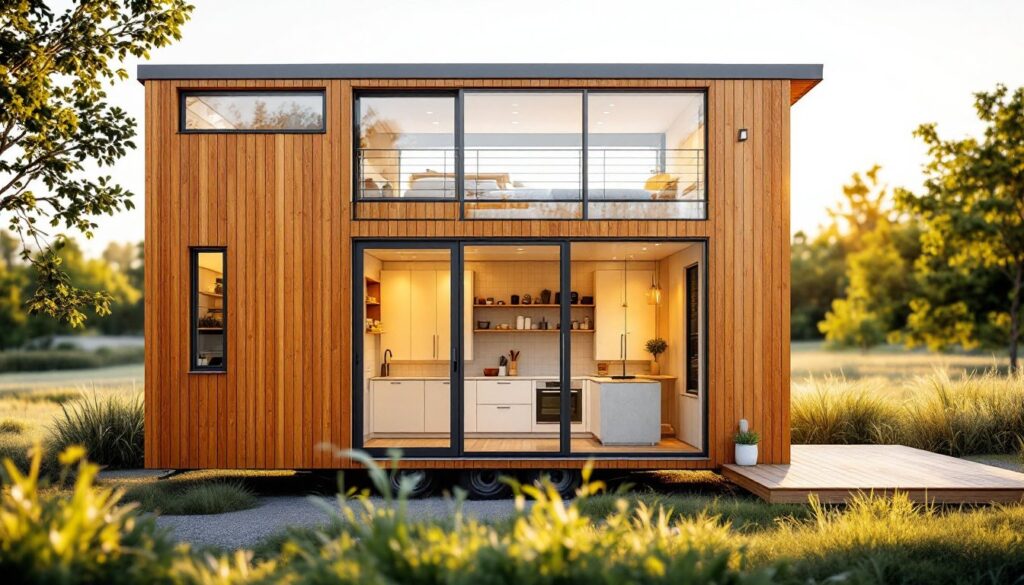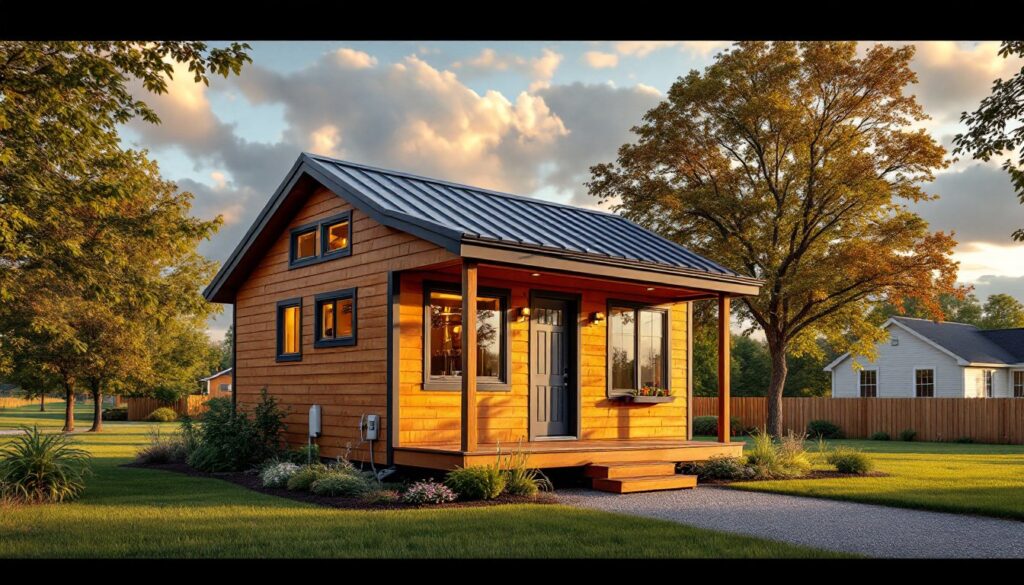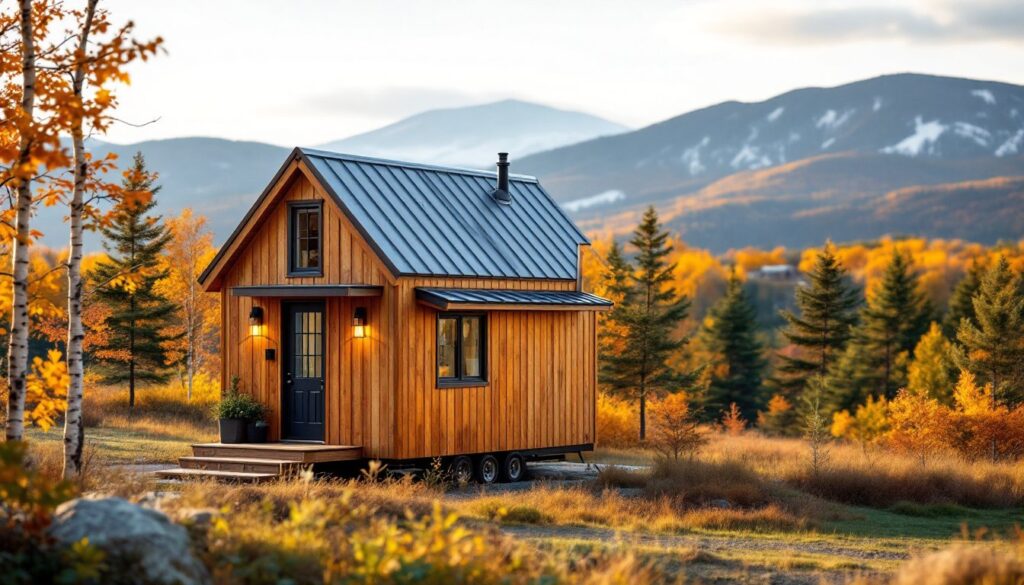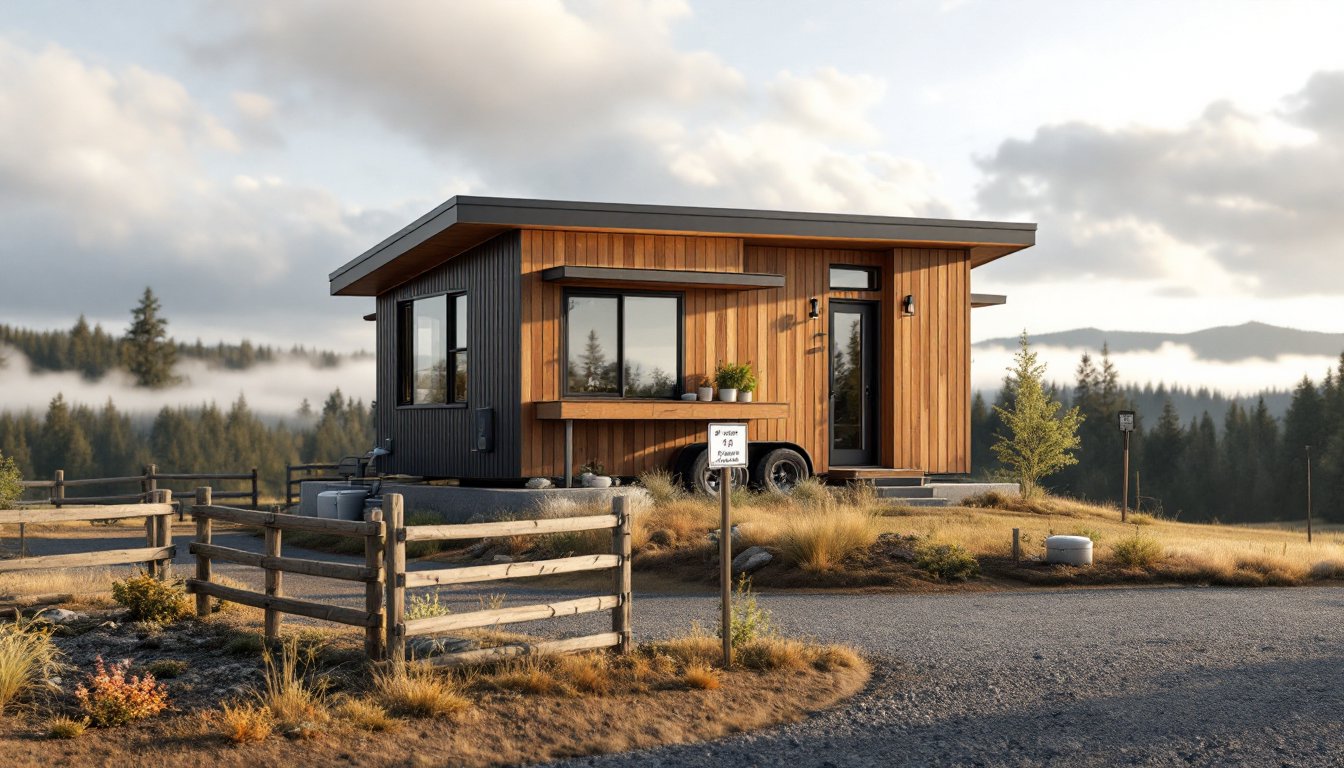

Oregon has emerged as one of the nation’s leading destinations for tiny home enthusiasts, and the movement continues to accelerate in 2026. Between progressive zoning policies, abundant land, and a culture that embraces alternative lifestyles, the state offers genuine opportunities for both builders and buyers. Whether someone is downsizing to reduce expenses, simplify their life, or minimize environmental impact, Oregon’s tiny home landscape delivers practical options across urban and rural settings. This guide walks through zoning realities, cost factors, and where to actually find or build a tiny home in Oregon, cutting through the hype to deliver what you need to know.
Key Takeaways
- Oregon’s progressive zoning policies and ADU-friendly regulations make it one of the nation’s leading destinations for tiny home development and ownership.
- A tiny home in rural Oregon costs $30,000–$60,000 to build or $40,000–$150,000 to purchase, significantly below conventional home prices.
- Urban tiny homes like those in Portland range from $350,000–$550,000 but offer walkability and transit access, while rural and mid-sized communities in Bend and Eugene provide more affordable options ($100,000–$350,000).
- Financing tiny homes requires careful planning—conventional mortgages are difficult to obtain, but construction loans, HELOCs, cash purchases, and owner financing provide viable alternatives.
- Verify zoning codes, setback requirements, septic and well permits with your county planning department before purchasing land, as regulations vary by location and change regularly.
- Building a custom tiny home takes 8–14 months and costs $150–$300 per square foot, while buying existing homes is faster; both paths benefit from working with experienced local builders and real estate agents familiar with tiny home markets.
Why Oregon is Becoming a Tiny Home Haven
Oregon’s appeal to tiny home seekers stems from several practical advantages. The state has been proactive in updating zoning codes to permit accessory dwelling units (ADUs) and small-lot residential development, especially in Portland and Eugene. Unlike many states where local governments block small homes as code violations, Oregon treats them as legitimate housing.
The cost factor is real. A tiny home in rural Oregon can be built for $30,000 to $60,000 (depending on materials and site work), or purchased already completed for $40,000 to $150,000, far below conventional home prices. Urban tiny homes command higher prices but remain competitive with traditional starter homes.
Oregon’s natural environment also attracts residents seeking low-impact living. The state’s emphasis on land conservation and sustainable building meshes naturally with tiny home philosophy. Utility costs are moderate thanks to mild winters and access to renewable energy options.
Zoning Laws and Regulations for Tiny Homes in Oregon
Urban vs. Rural Zoning Requirements
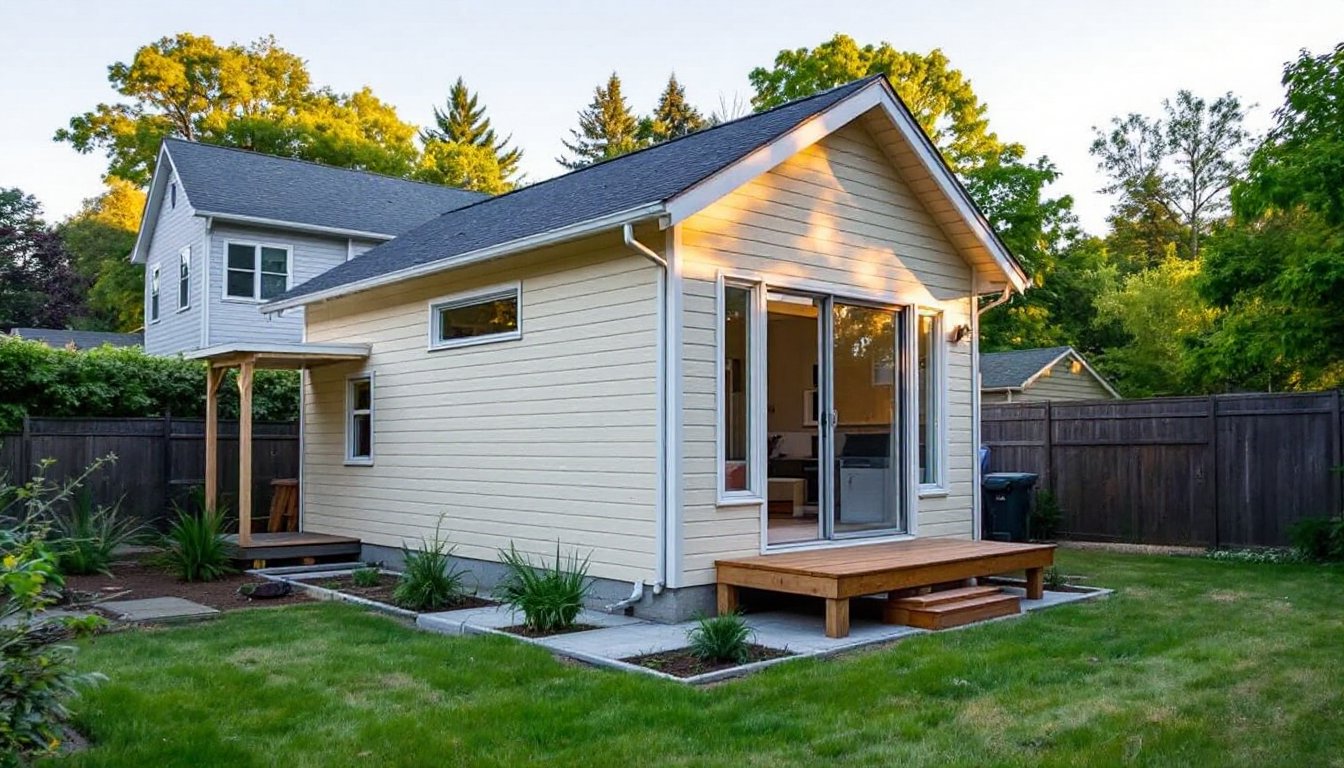
Portland has led the charge with ADU zoning, allowing owners to place small secondary units on residential lots. As of 2026, most urban lots in Portland can legally support a 400-square-foot to 600-square-foot ADU: some ordinances permit two ADUs per lot. Eugene, Salem, and Bend have followed with similar frameworks, though specifics vary by city.
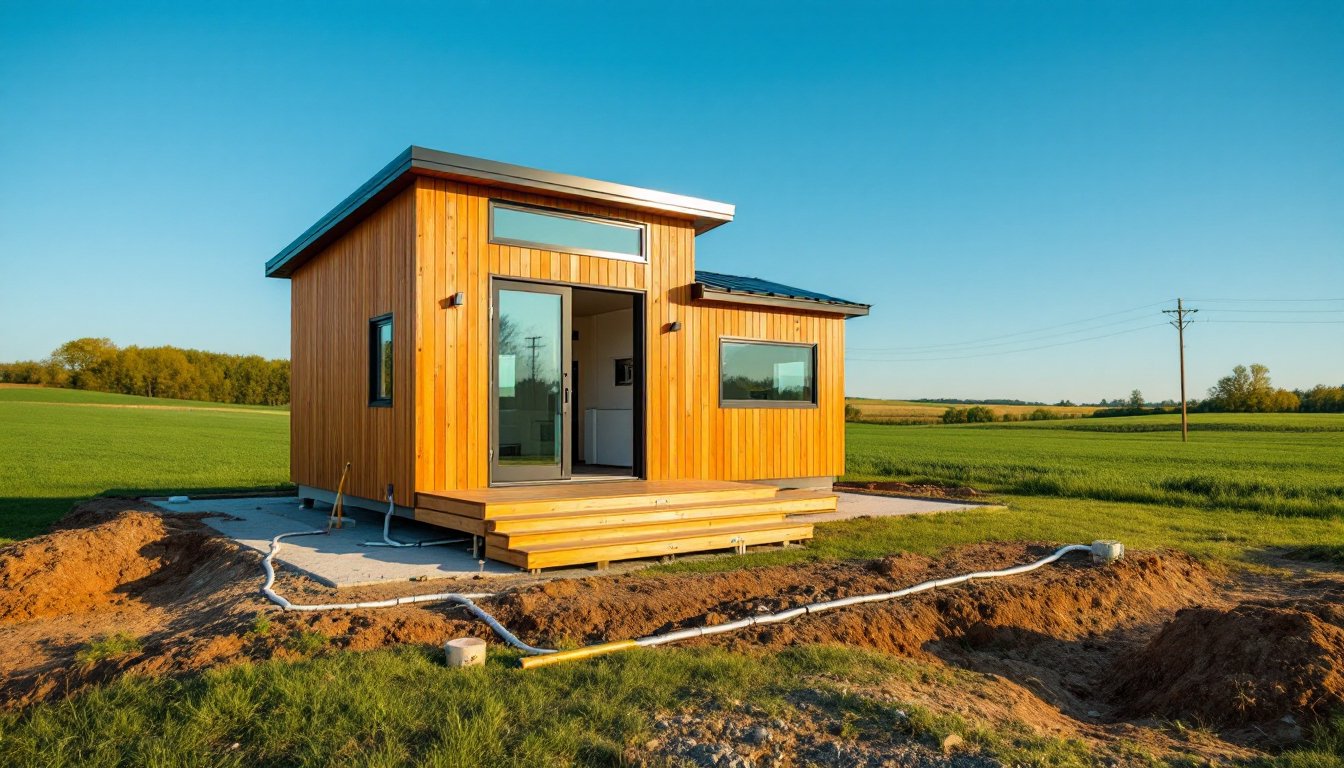
Rural areas have fewer restrictions but require buyer diligence. A 2-acre property in Deschutes County may allow a tiny home as a primary dwelling without formal ADU designation, but setback requirements, septic permitting, and well drilling add complexity and cost.
Key code considerations:
• Minimum lot size: Rural zones often require 1–2 acres: urban ADU zones typically allow placement on standard residential lots (5,000–7,500 sq. ft.).
• Setbacks: Distances from property lines vary by zone: expect 10–25 feet on sides, 15–50 feet from road frontage.
• Height limits: Most zones cap residential at 35 feet: tiny homes rarely exceed 13–15 feet, so this is rarely an issue.
• Septic and well: Rural homes require approved septic systems and well permits: urban utilities are typically available.
Permit requirements depend on classification. An ADU in Portland typically requires a land use review and building permit (4–8 weeks processing). A new tiny home on raw rural land may need a land division permit, septic design approval, and well drilling permits before building permits issue.
Always verify with the county assessor’s office and planning department before purchasing land or starting design. Zoning changes and code updates happen regularly, and what was permitted two years ago may have shifted.
Top Tiny Home Communities and Neighborhoods
Several intentional tiny home communities have taken root across Oregon, offering turnkey or build-to-suit options.
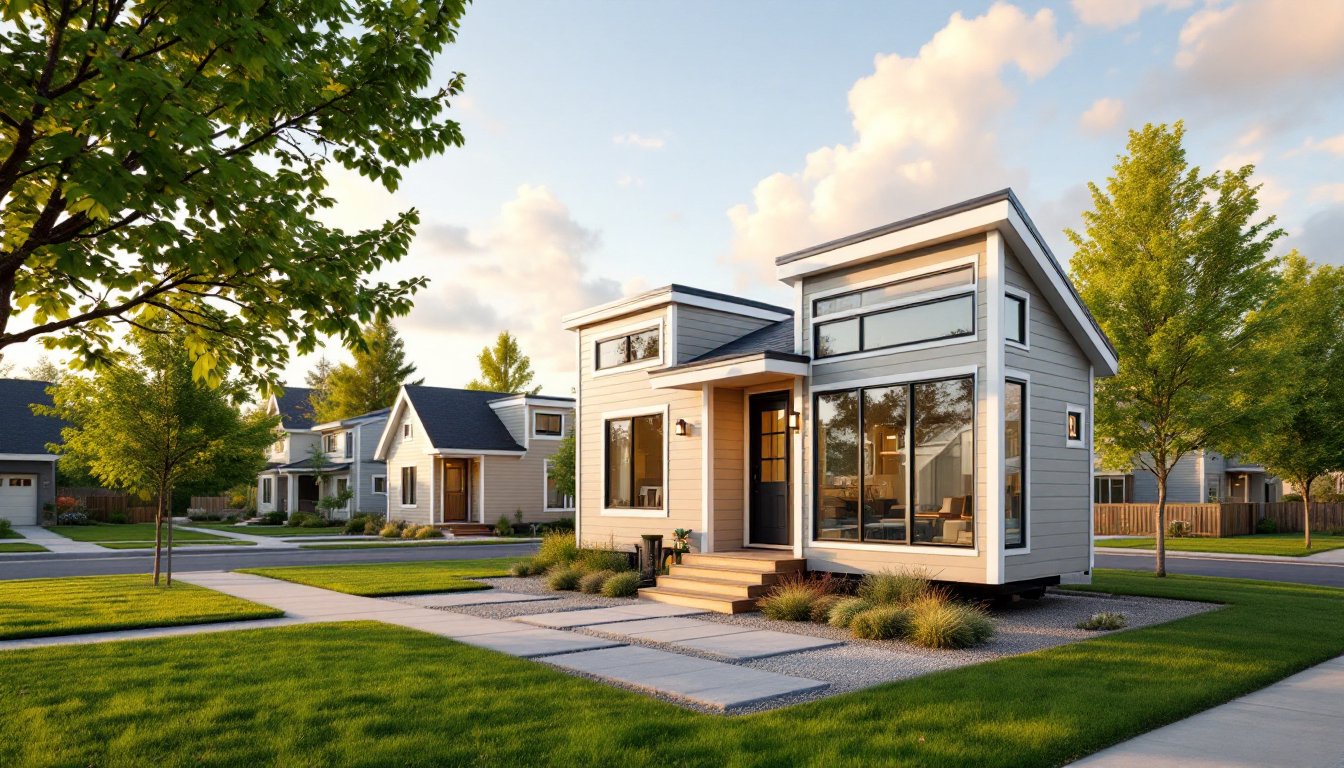
Portland Metro Area: Mt. Tabor Tiny Homes and similar pocket neighborhoods in inner Southeast Portland combine walkability with shared green space. Units range from 400–800 square feet and sell from $350,000 to $550,000. Proximity to transit, shops, and employment is the tradeoff for higher land costs.
Bend: The high desert’s outdoor culture attracts remote workers and retirees. Communities like Cascade Village offer 600–1,000 square foot homes on small lots with shared amenities. Pricing sits between Portland and rural areas ($200,000–$350,000).
Eugene: The University of Oregon’s college-town culture supports alternative housing. Scattered ADU neighborhoods and intentional communities in Springfield’s industrial areas offer lower entry costs ($100,000–$250,000).
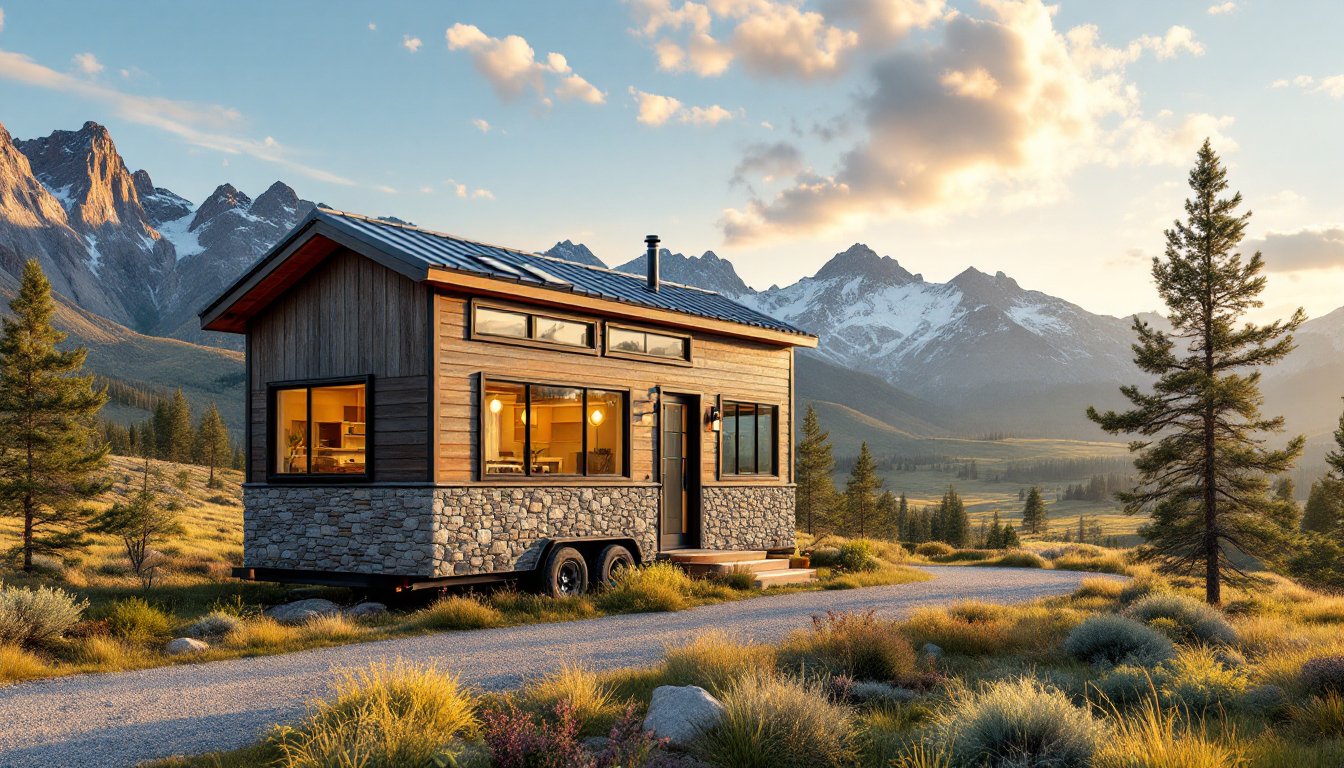
Rural Opportunities: Lane County, Deschutes County, and areas around Ashland attract owner-builders. Raw land costs $15,000–$40,000 per acre: buyers invest in site prep, septic, and utilities before building. This path requires hands-on involvement and realistic timelines (12–18 months from purchase to move-in).
Online platforms like Zillow and local MLS searches show ADU-friendly neighborhoods, but word-of-mouth and local real estate agents familiar with tiny home zoning yield the best intel.
Building and Buying a Tiny Home in Oregon
Cost Considerations and Financing Options
Buying an existing tiny home is faster and simpler than building. Expect to pay $200–$400 per square foot in urban areas, $100–$250 in rural settings. A 500-square-foot home in Portland runs $100,000–$200,000: the same home in rural Lane County might be $50,000–$125,000.
Building from scratch takes 8–14 months (site prep, permits, construction) and costs $150–$300 per square foot all-in, depending on finishes and site complexity. A 600-square-foot custom tiny home built on owned land typically costs $90,000–$180,000. DIY-built homes (owner acting as general contractor) trim costs 15–30% but demand significant time and experience.
Financing is the sticking point. Conventional mortgages favor homes over 600 square feet: lenders view tiny homes as higher risk and may require larger down payments (20–25%) or charge higher rates. But, options exist:
• Construction loans: Available through credit unions and some community banks: require detailed plans and realistic budgets.
• Personal loans and HELOCs: Lower interest than credit cards but still expensive for large projects.
• Cash purchase: Increasingly common for tiny homes under $100,000: eliminates financing hassle but requires liquidity.
• Owner financing: Private sellers sometimes finance purchases directly, circumventing bank restrictions.
Check with local credit unions (Craft3, OnPoint Community Credit Union) which actively support small-scale housing projects. Some Oregon nonprofits (like the Rogue Valley Affordable Housing Network) offer financing assistance for primary residences.
Permits add $3,000–$8,000 to timelines and budgets. Building on approved land with existing utilities is faster and cheaper than raw land development. Starting with a clear, permitted site plan (20–30 hours of architect or designer time, $500–$1,500) prevents costly mid-project surprises.
Conclusion
Tiny homes in Oregon work, if the planning is realistic. The state’s zoning framework and established communities remove the legal and practical friction found elsewhere. Start by verifying local codes, connecting with experienced local builders or real estate agents, and setting a clear budget and timeline. Oregon’s combination of progressive regulation, affordability, and livability makes it a genuine choice for tiny home living in 2026, not just a trend.