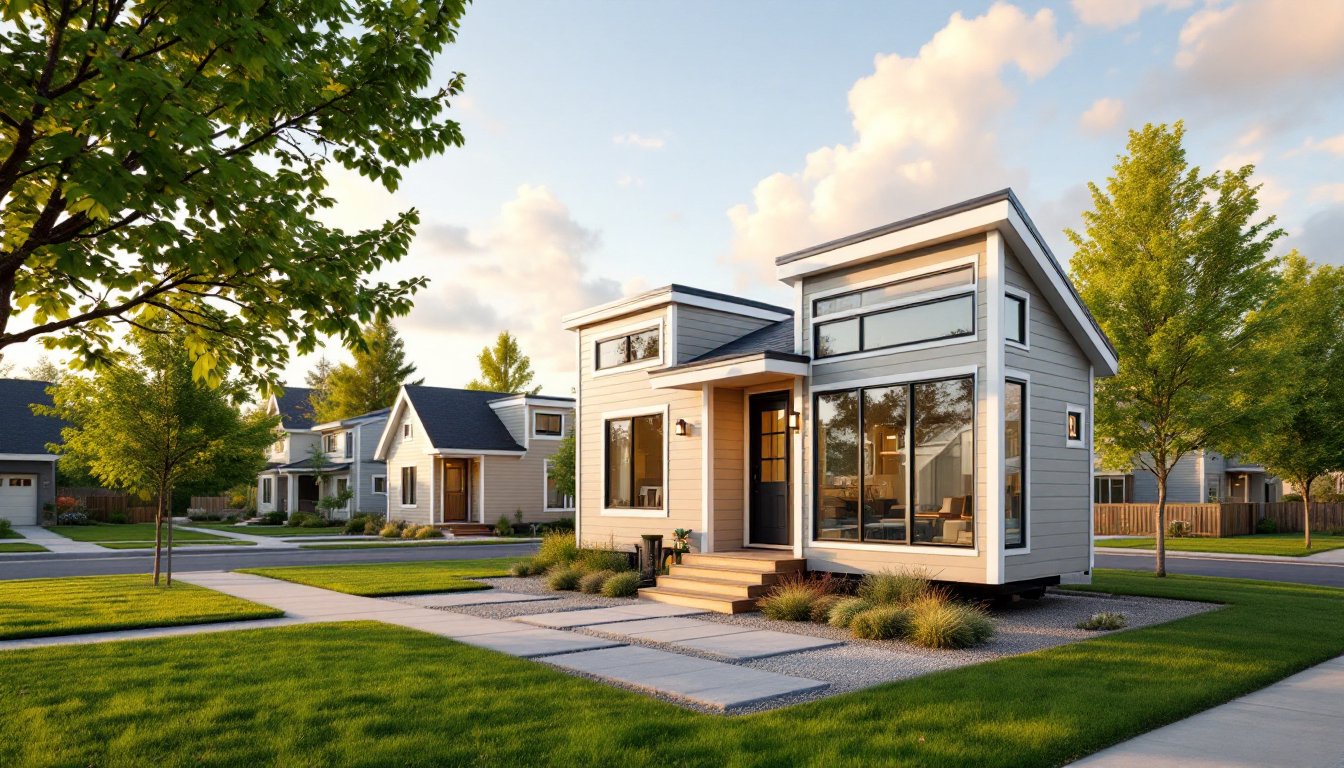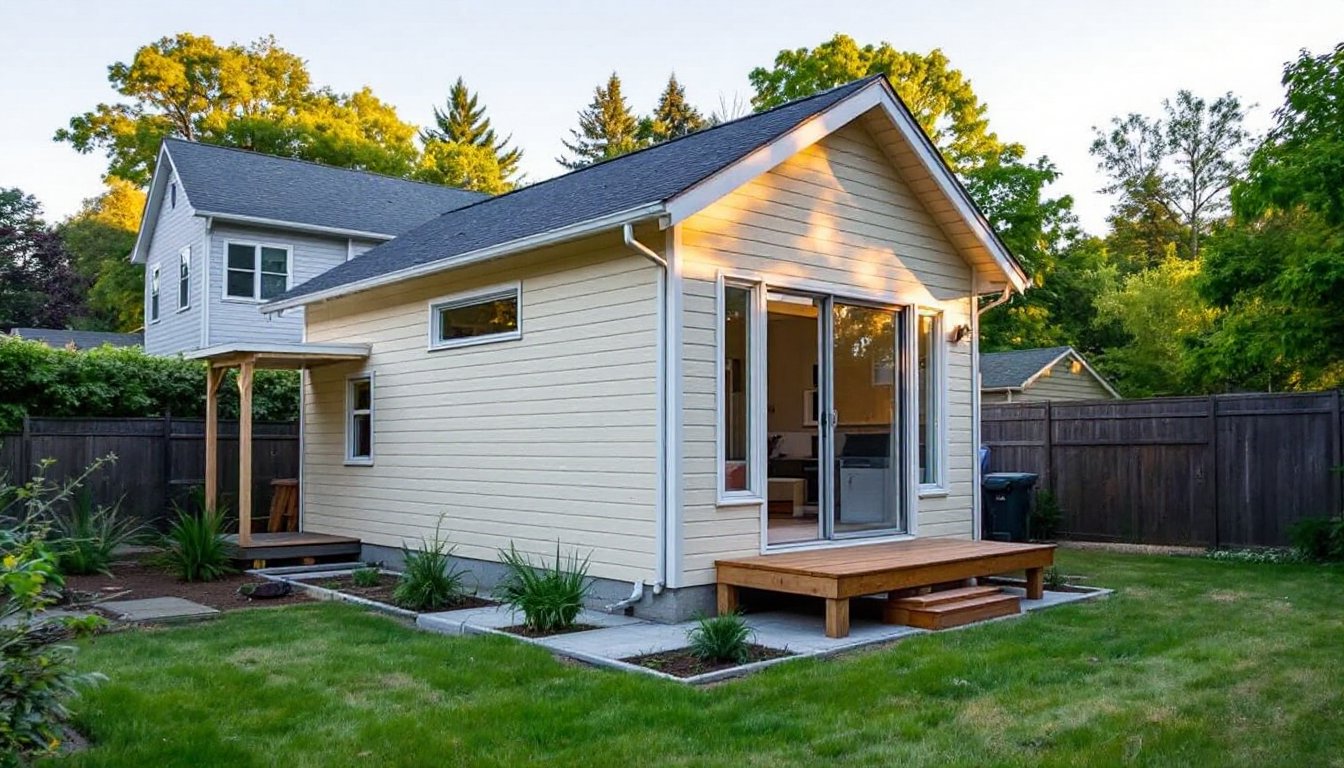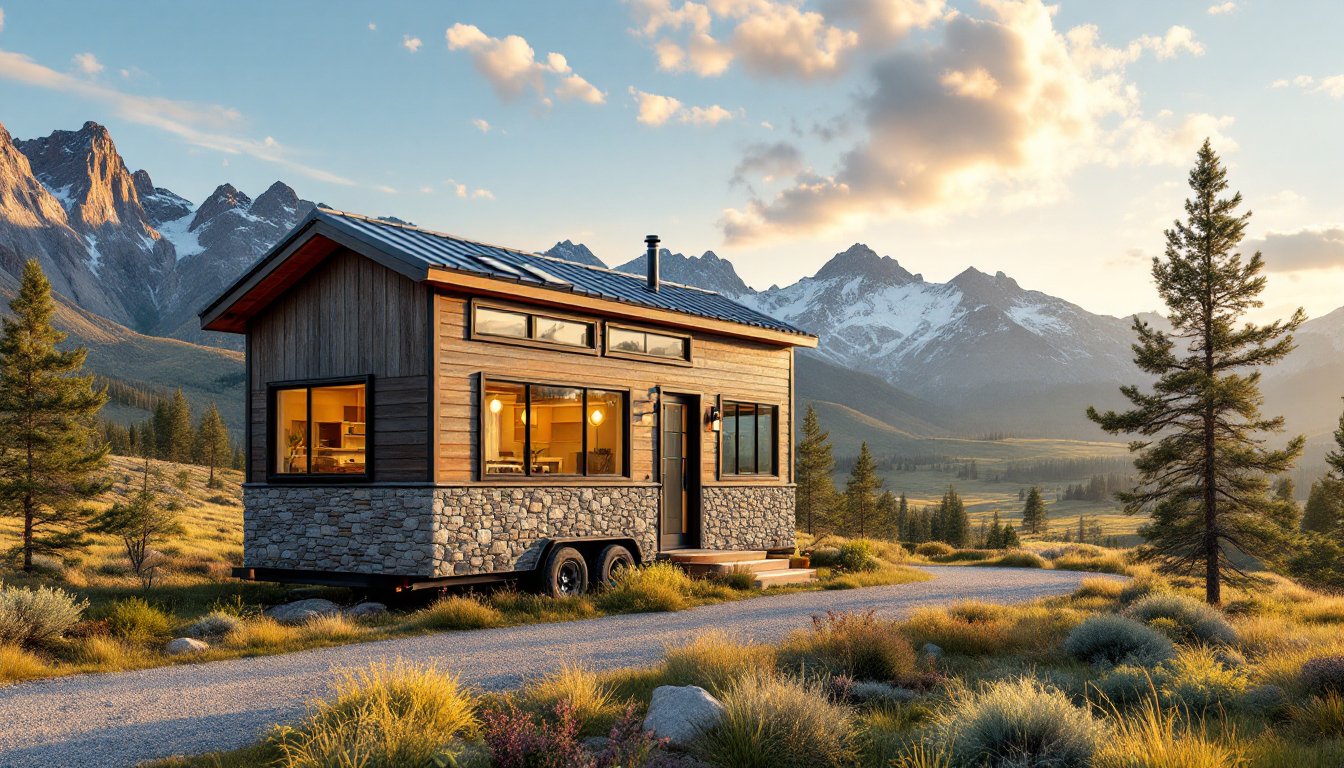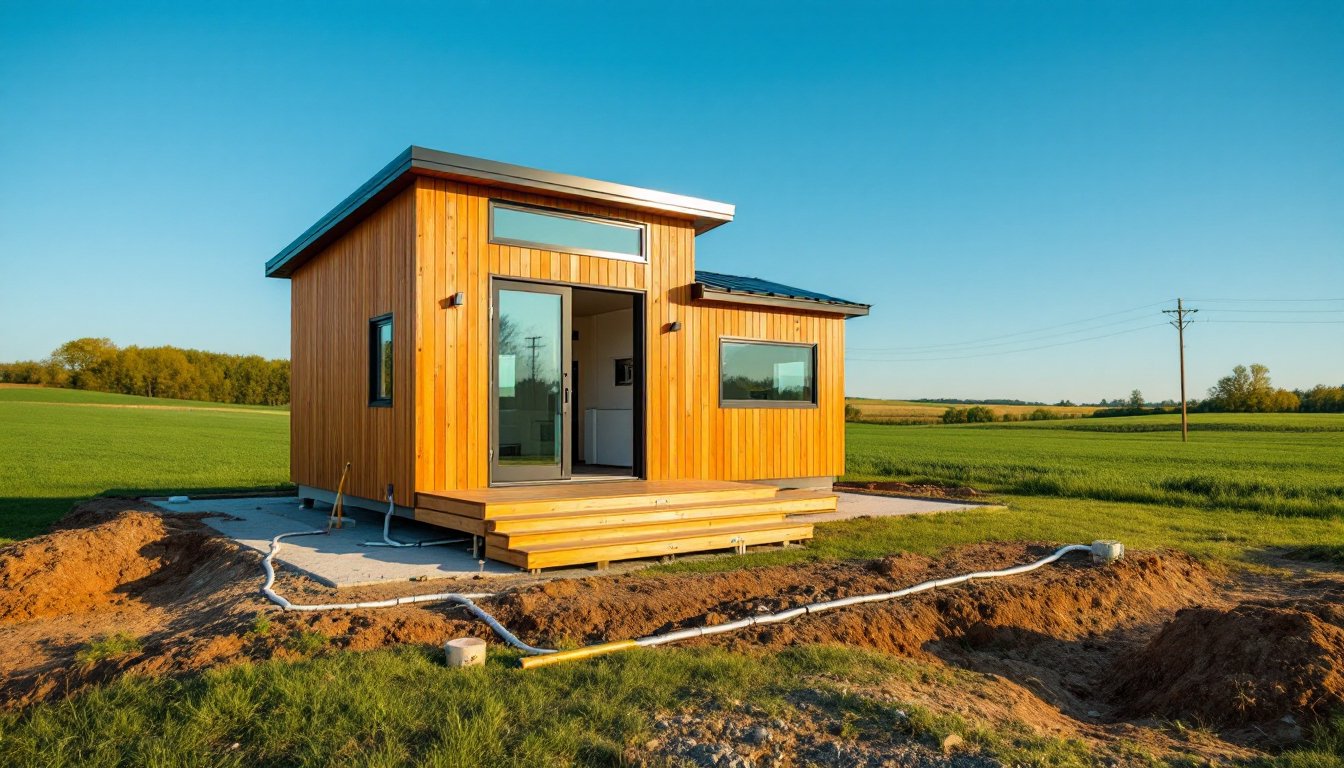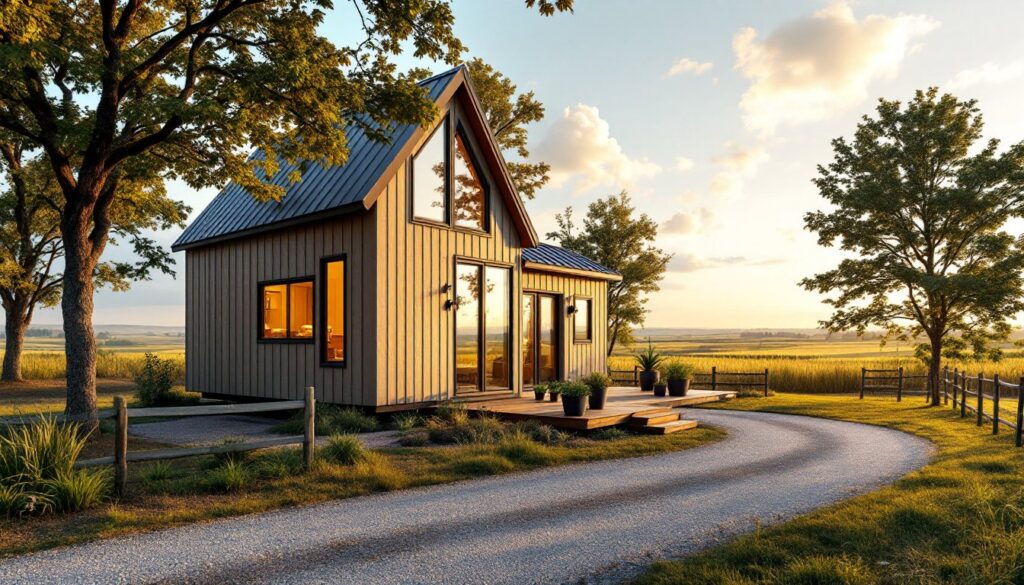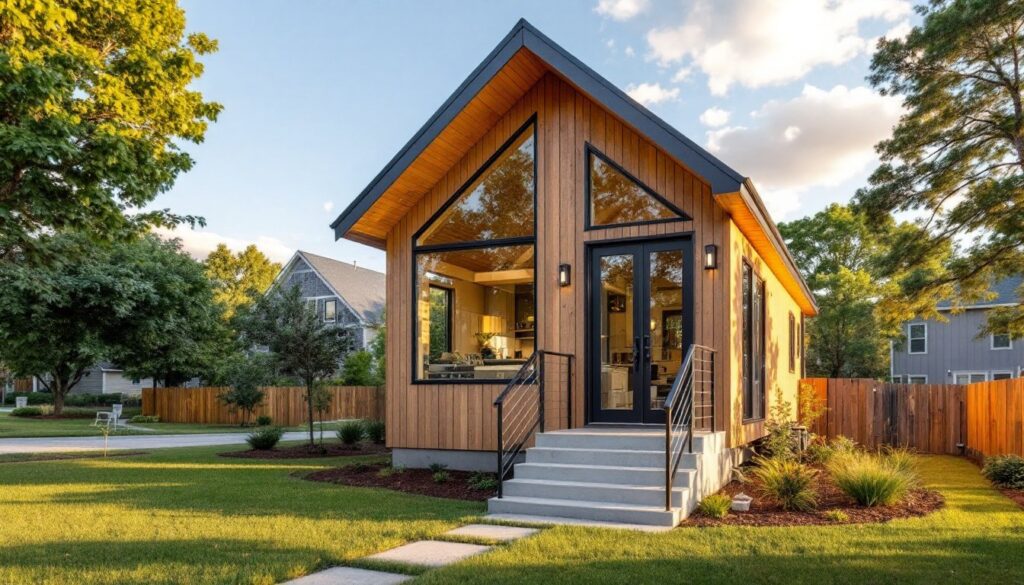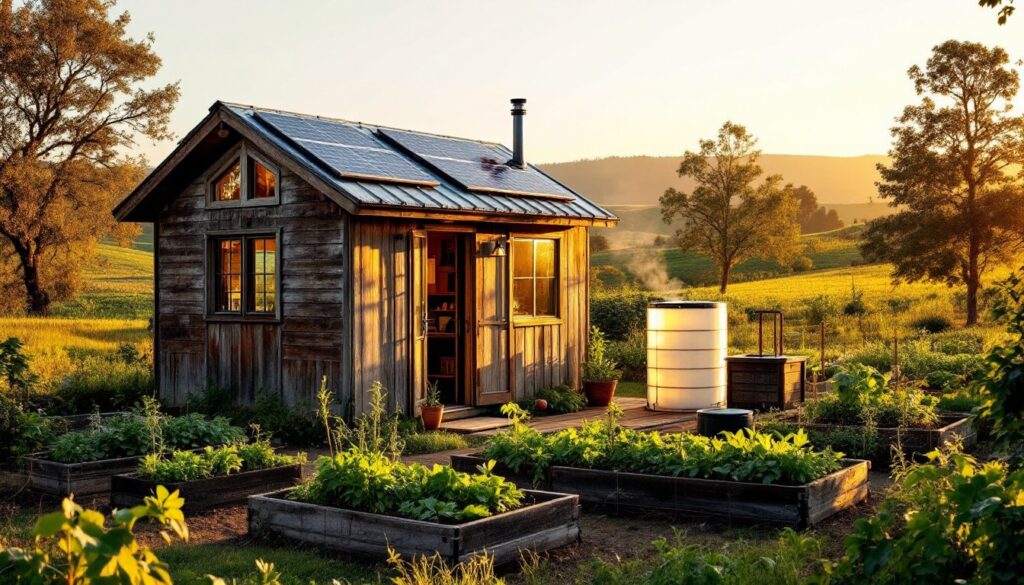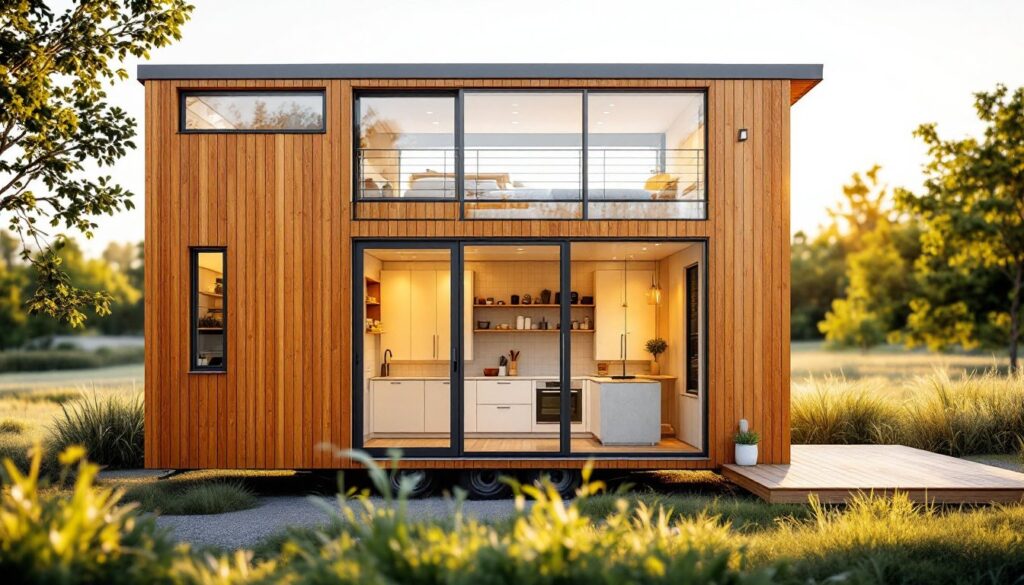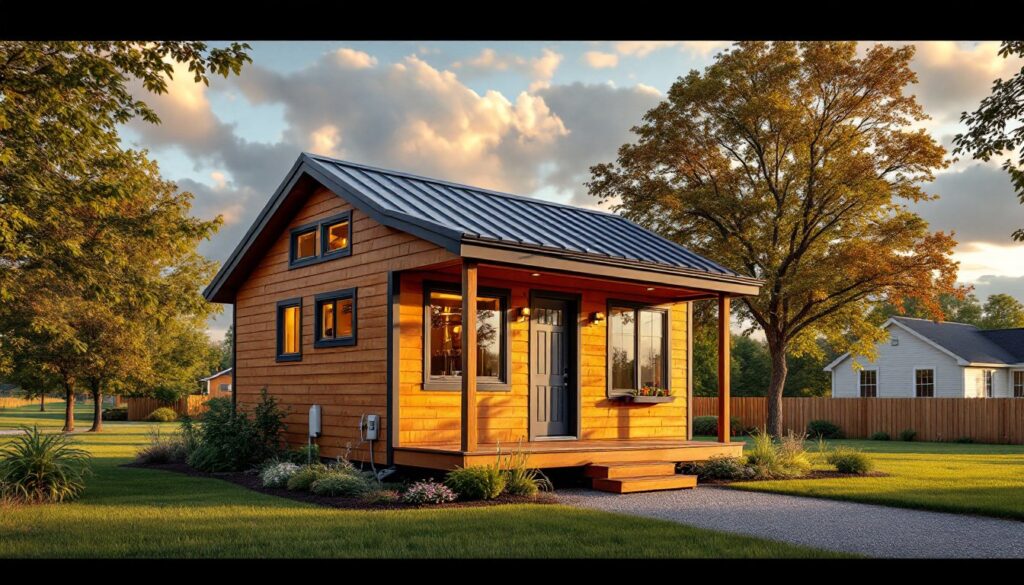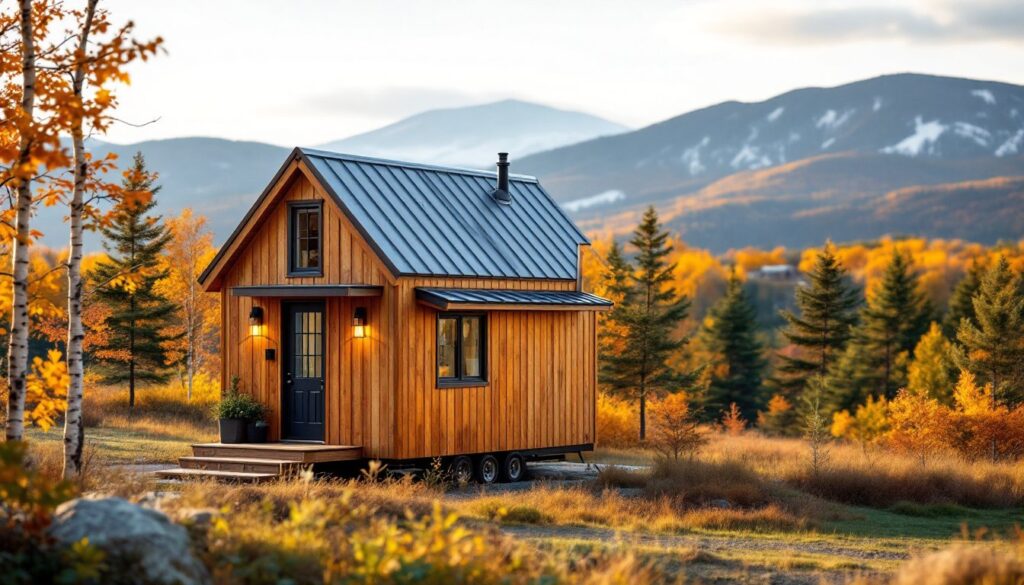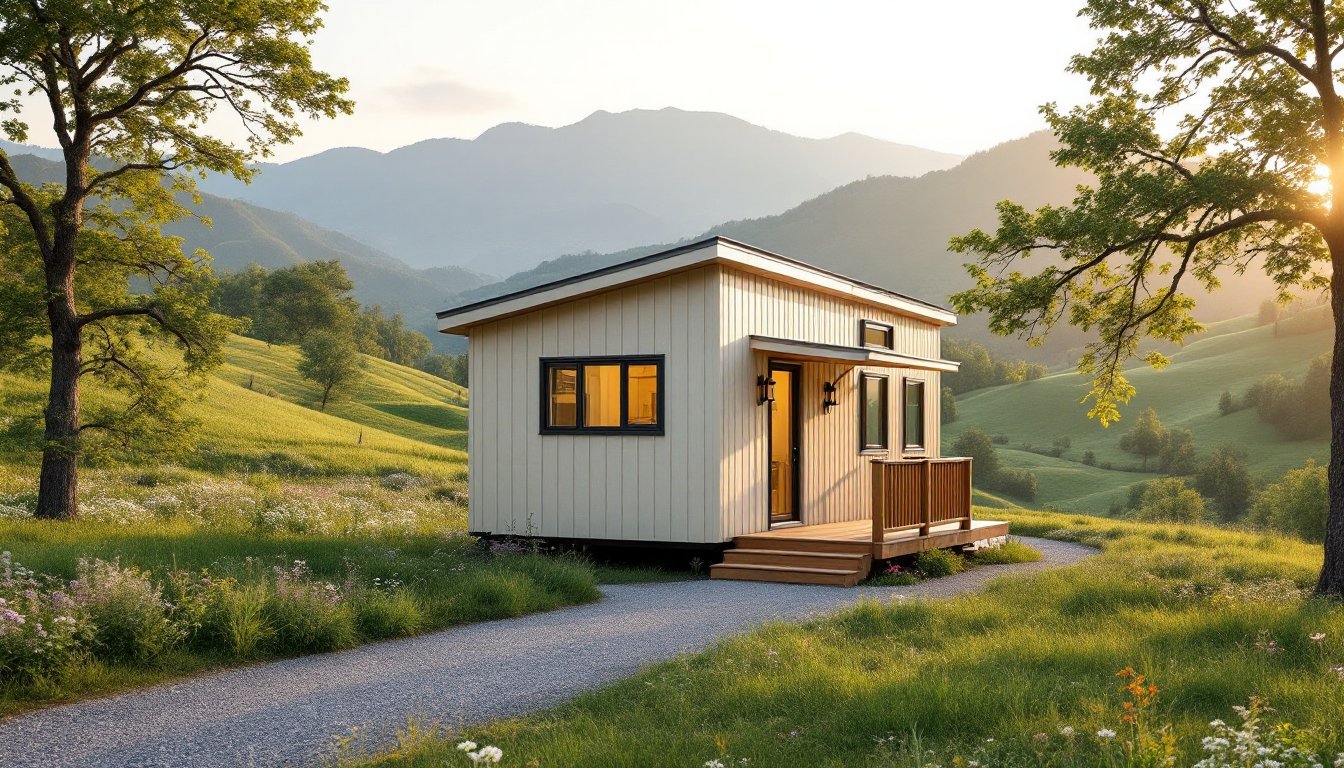

Tiny homes have transformed from a niche lifestyle choice into a legitimate housing solution, and Tennessee is becoming one of the hotspots for this movement. Rising housing costs, environmental concerns, and a desire for simpler living have driven demand for homes under 500 square feet. Tennessee’s combination of affordable land, favorable regulatory environment in many areas, and diverse geography, from Nashville’s urban fringe to the Smoky Mountains, makes it an ideal location for tiny home enthusiasts. Whether someone’s looking to downsize, invest, or escape the traditional mortgage treadmill, Tennessee offers real opportunities worth exploring.
Key Takeaways
- Tiny homes in Tennessee cost between $30,000–$60,000 for prefab units and $120–$200 per square foot for custom builds, making them significantly more affordable than traditional homes.
- Tennessee’s mild climate, lower land prices ($5,000–$15,000 per acre in rural areas), and increasingly favorable zoning codes make it an ideal state for tiny home living.
- East Tennessee, particularly Sevier and Blount counties near the Smoky Mountains, has emerged as the state’s tiny home hotspot with established communities and reduced regulatory barriers.
- Annual property taxes and utility costs for tiny homes average 75–80% less than conventional homes, creating substantial long-term savings despite initial affordability challenges.
- Before purchasing land or building, verify local zoning ordinances directly with your county planning office, as many Tennessee municipalities still enforce minimum square footage requirements that can block tiny homes.
- Buying a finished tiny home is faster and lower-risk, while building custom offers total control but requires 6–12 months and potential cost overruns; consider construction loans, personal loans, or credit unions for financing alternatives.
What Are Tiny Homes and Why They’re Growing in Tennessee
A tiny home is typically defined as a residence between 100 and 500 square feet, though the threshold varies depending on the source. Some sit on permanent foundations: others are built on trailers (making them technically RVs). What sets tiny homes apart isn’t just square footage: it’s intentional design that maximizes every inch.
Tennessee’s appeal for tiny home living comes down to several factors. First, land prices remain significantly lower than in coastal states or major metropolitan areas, making it feasible to own land outright. Second, a growing number of municipalities have begun updating zoning codes to permit tiny homes. Third, Tennessee’s climate, mild winters and moderate summers, reduces the stress on tiny home systems compared to extreme climates.
The movement also aligns with shifting priorities. Younger buyers often value location flexibility and lower maintenance over square footage. Retirees downsize to free up capital and reduce property taxes. The builder community has responded, with companies offering prefab and semi-custom tiny homes that rival traditional construction in quality.
Cost and Affordability: How Much Does a Tiny Home Cost in Tennessee?
Pricing varies widely depending on whether you buy a manufactured unit or go custom, plus your location within the state. A prefabricated tiny home in Tennessee typically costs between $30,000 and $60,000 for a basic model (150–250 sq. ft.), before land. A semi-custom or high-end tiny home can run $80,000 to $150,000+.
Custom-built tiny homes on-site in Tennessee average $120–$200 per square foot when you factor in labor, materials, and permitting, comparable to or slightly below conventional home construction in the state. A 350-square-foot custom home might cost $42,000 to $70,000, though high-end finishes push that higher.
Land costs depend heavily on location. Rural East Tennessee counties (like Sevier or Blount) may offer land at $5,000–$15,000 per acre. Metropolitan areas like Nashville command $15,000–$40,000 per acre or more. Many tiny home buyers finance through personal loans, RV loans, or construction loans rather than traditional mortgages, which affects overall borrowing costs.
Don’t overlook long-term savings. Annual property taxes on a $50,000 tiny home in Tennessee average $300–$600, versus $1,500–$3,000+ on a conventional house. Utility bills drop dramatically in smaller spaces.
Best Tennessee Locations for Tiny Home Living
Nashville and Greater Metro Areas
Nashville and its surrounding counties (Davidson, Williamson, Rutherford) offer urban and suburban tiny home communities. The advantages: proximity to jobs, amenities, and established services. The trade-off: land is pricier, and zoning codes are tighter. But, Nashville’s city planning department has shown openness to accessory dwelling units (ADUs) and infill projects. Communities like those in Franklin and Brentwood appeal to professionals and retirees seeking small-footprint homes near the metro.
Zoning in Davidson County (Nashville proper) has historically resisted tiny homes on individual lots, but several neighborhoods are experimenting with tiny home clusters. Expect to pay 20–30% more for land in metro counties than rural areas.
Gatlinburg, Sevier County, and the Smoky Mountains
East Tennessee, particularly around Sevier County (Gatlinburg, Pigeon Forge, Seymour), has emerged as the state’s tiny home hotspot. Why? Lower land costs, scenic beauty, and a tourism-driven economy that embraces alternative housing. Several tiny home communities have sprouted, targeting both year-round residents and vacation rental investors.
The climate here is milder than northern states but requires proper insulation and roofing for occasional snow and ice. Building season runs longer, reducing construction costs. Utilities are affordable, and the cost of living remains reasonable even though tourism popularity.
Blount County and Cocke County (toward the North Carolina border) offer similar advantages: cheaper land, scenic settings, and less regulatory resistance. Trade-offs include longer commutes to larger job centers and fewer urban services.
Zoning, Regulations, and Legal Considerations
This is where planning matters. Tennessee state law doesn’t explicitly ban tiny homes, but local ordinances do, sometimes. Most Tennessee municipalities have minimum square footage requirements (typically 600–750 sq. ft. for a primary residence), which effectively block tiny homes.
But, progress is happening. Nashville’s ADU ordinance (passed in 2020, refined since) allows secondary dwellings up to 800 square feet on single-family lots in most zones. Knoxville has been similarly receptive. Some rural counties have no minimum, giving developers and builders room to innovate.
Key legal questions to ask before buying land or building:
- Does the county/municipality allow tiny homes? Contact the planning and zoning office directly. Zoning maps and ordinances are public.
- Is a permit required? Most counties require building permits for structures over 200 square feet, plus electrical, plumbing, and mechanical permits. Permits typically cost $200–$1,500 depending on the project scope.
- Are RV-based tiny homes allowed? If you’re considering a mobile tiny home, it must meet RV code (NFPA 1192) or manufactured home code, not building code. Many jurisdictions restrict where RVs can be placed long-term.
- Septic and well systems: Rural properties often rely on septic (not public sewer) and wells. Sevier, Blount, and Knox counties all have health department requirements for septic design and installation. Budget $3,000–$8,000 for a properly engineered system.
- Deed restrictions: Check the property deed for covenants that might prohibit tiny homes or non-traditional structures.
Always verify with your county before purchasing land. Zoning codes change, and local officials can clarify what’s allowed.
Building vs. Buying: Which Option Is Right for You?
Buying a finished tiny home is faster and carries less risk. Prefab and semi-custom units can be delivered and set up in weeks. You see what you’re getting, avoid construction headaches, and move in sooner. Drawback: customization is limited, and financing options are narrower. Most lenders treat manufactured or movable tiny homes differently than site-built ones.
Building custom offers total control over layout, finishes, and systems. You work with a builder or architect to design exactly what you need. The downside: construction timelines stretch 6–12 months: costs can overrun: and you need patience and strong project communication.
Consider your skills and timeline. If you’re handy and have time, buying land and hiring a reputable builder can yield a lower cost-per-square-foot. If you want to move in quickly and don’t care about bespoke features, buying a finished unit makes sense.
Find builders through the Tennessee Homebuilders Association, local real estate agents, or tiny home communities. Verify references, check contractor licensing through the Tennessee Construction Contractors Board, and get detailed contracts in writing.
Financing is crucial. Many traditional lenders won’t finance tiny homes under $50,000 or on non-conventional land. Research construction loans, personal loans, and lenders specializing in alternative housing. Credit unions sometimes offer better terms for non-standard properties.