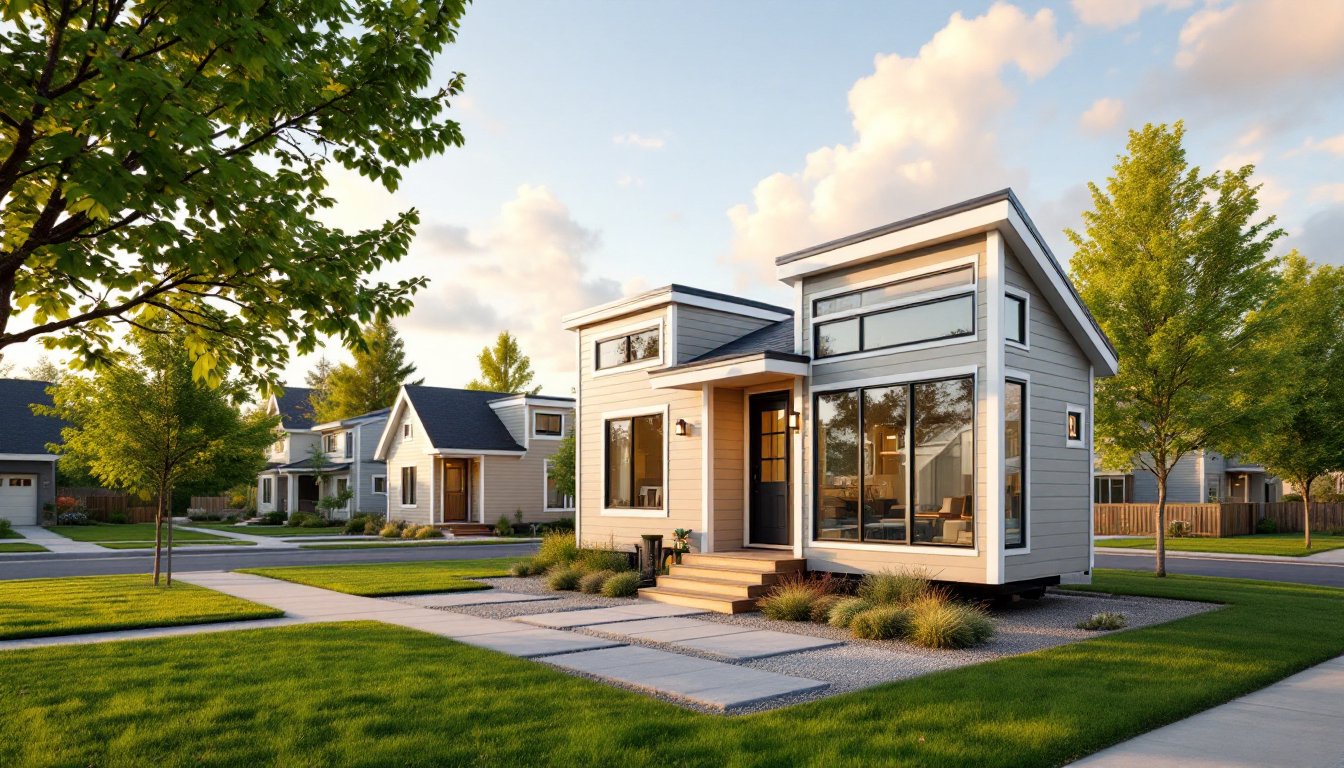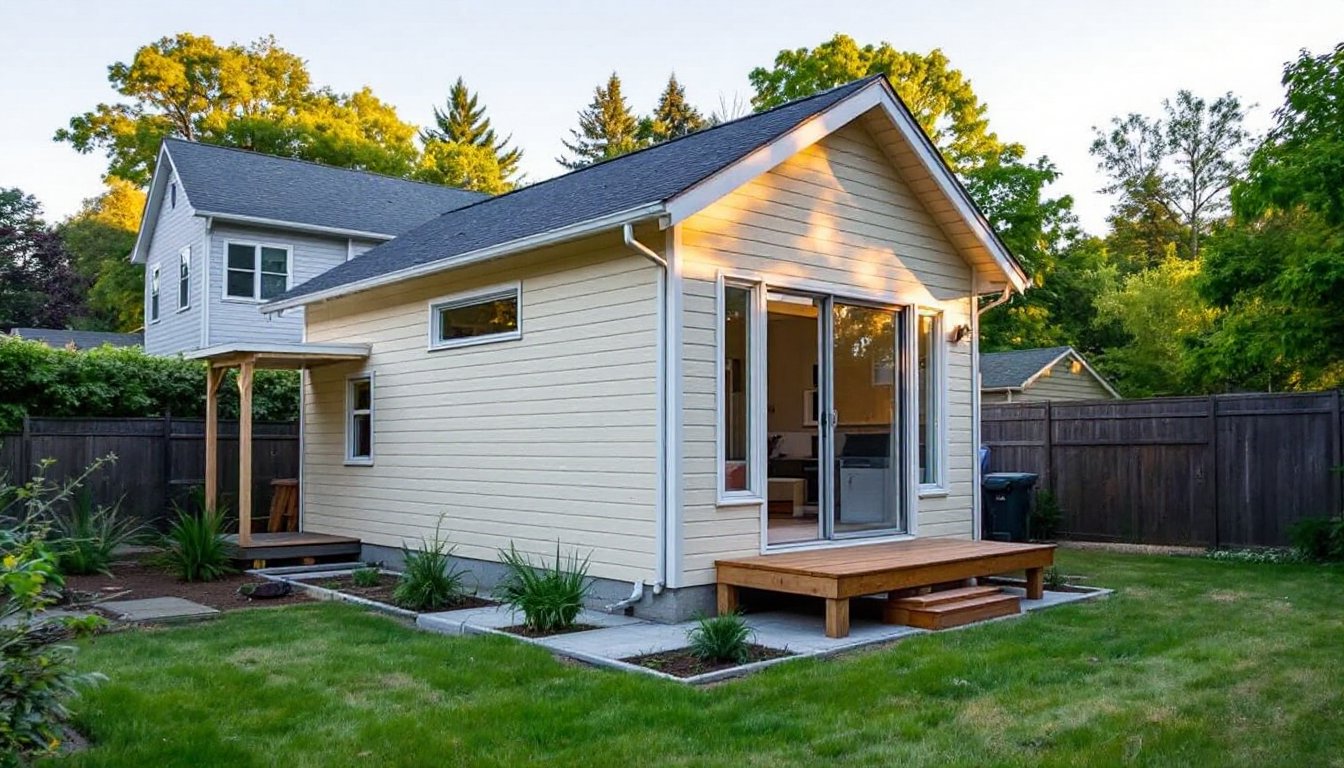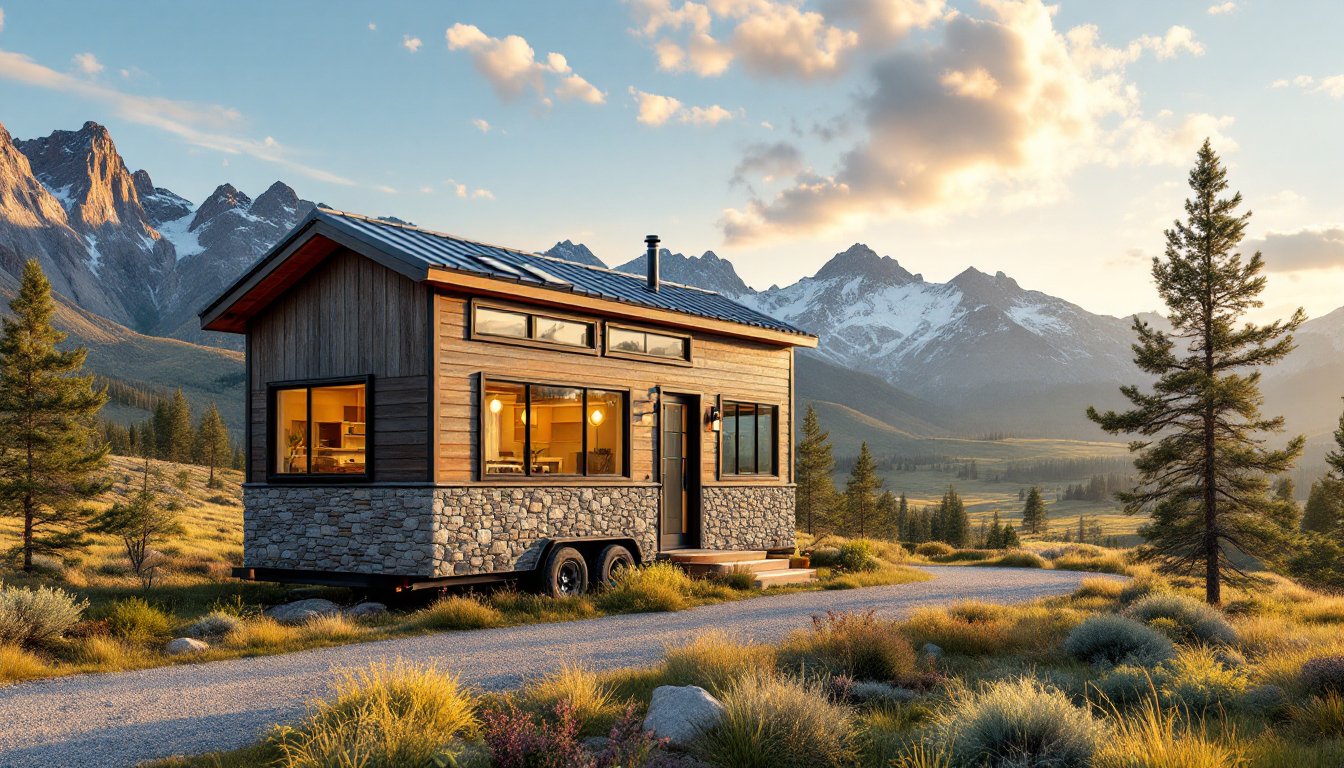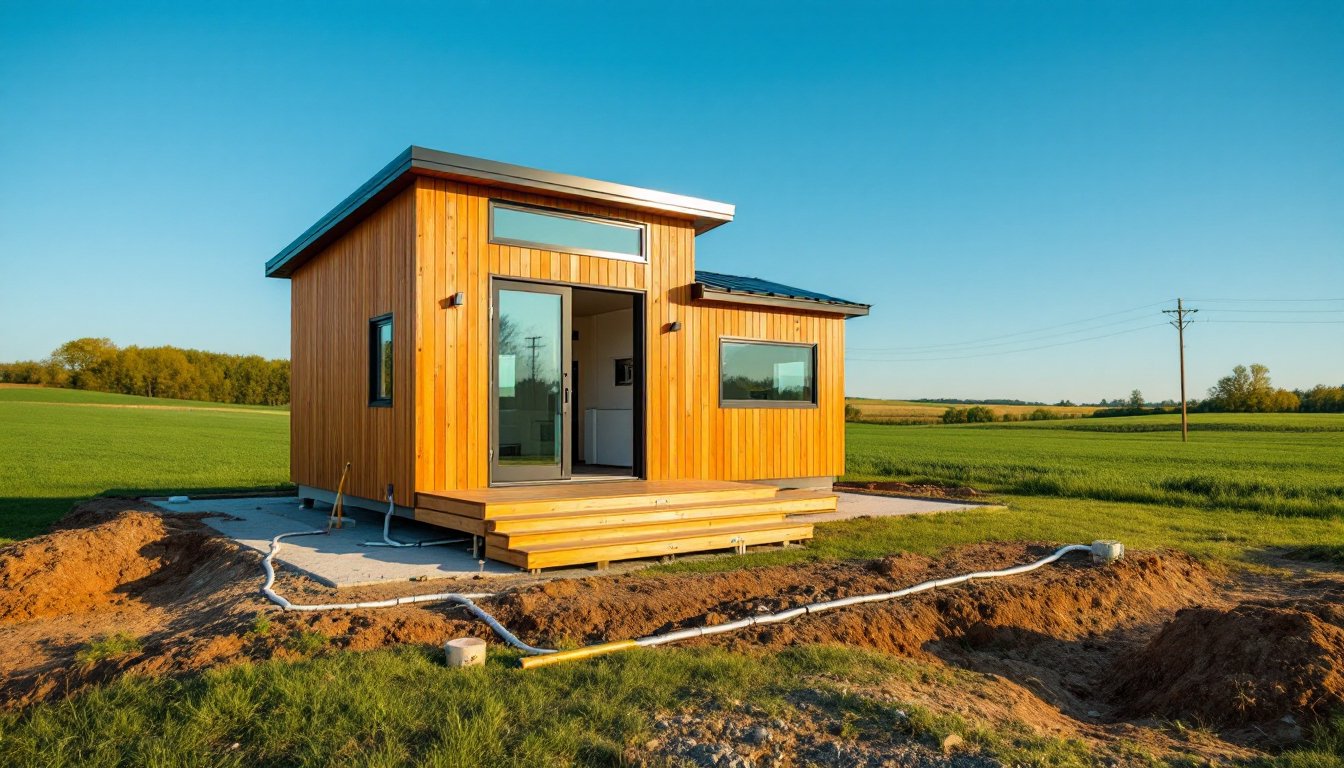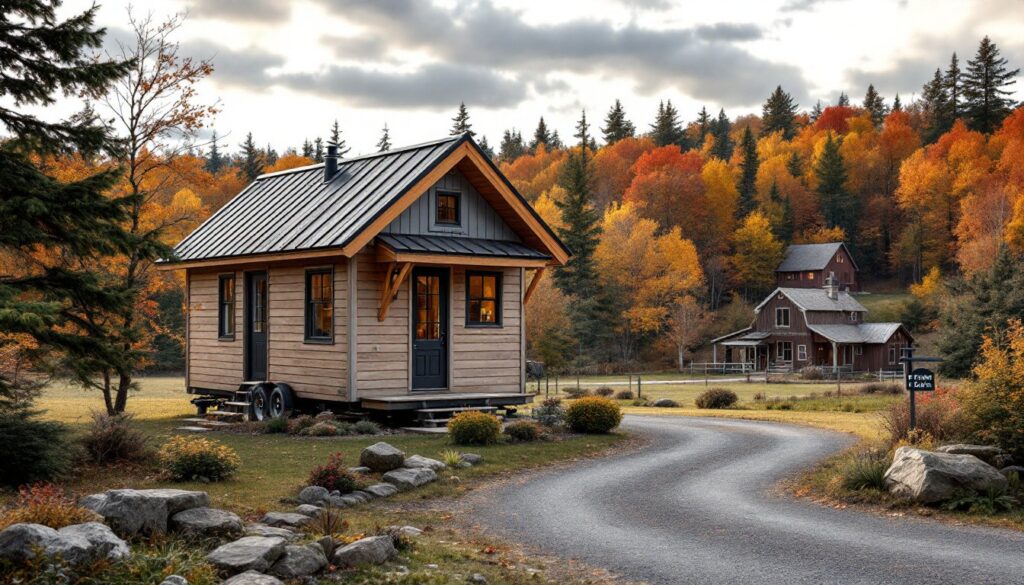

The tiny house movement has evolved. Where previous generations chased minimalism and spartan living, a new wave of homeowners is redefining what’s possible in compact spaces. Big tiny homes, a category gaining real momentum in 2026, blend thoughtful design, premium materials, and maximalist sensibilities into dwellings that feel spacious even though their modest square footage. These aren’t your Instagram-filtered, white-walled micro-homes. Instead, they’re full-featured residences that incorporate the functionality and comfort of traditional homes while maintaining the affordability and sustainability benefits of smaller footprints. For DIYers and budget-conscious buyers alike, big tiny homes represent a third path: neither cramped compromise nor traditional mortgage burden.
Key Takeaways
- Big tiny homes range from 600 to 1,200 square feet and blend maximalist design with affordability, offering a practical alternative between cramped compromises and expensive traditional homes.
- Strategic design features—including vertical space utilization, premium materials, multi-functional layouts, and smart storage solutions—make big tiny homes feel spacious and luxurious despite their modest footprint.
- Big tiny homes cost $150,000 to $300,000 fully finished, delivering 40–50% lower annual expenses in property taxes, utilities, maintenance, and insurance compared to traditional homes.
- Owners report reduced stress, simplified maintenance, and faster heating and cooling needs, while the smaller construction footprint reduces energy consumption by 60–70% annually.
- The shift from minimalist to maximalist tiny living reflects rising housing costs and remote work culture, driving demand for homes that don’t require lifestyle sacrifice or financial burden.
What Are Big Tiny Homes?
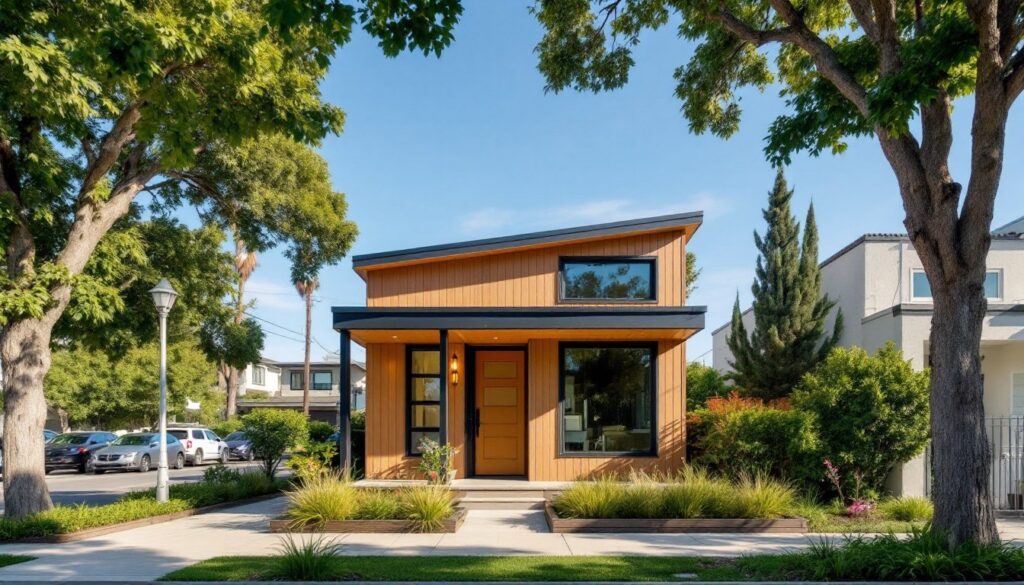
Big tiny homes sit in a sweet spot between classic tiny houses and traditional homes. They typically range from 600 to 1,200 square feet, larger than the traditional 400-square-foot tiny house standard, but significantly smaller than the U.S. median home size of 2,400 square feet. The defining characteristic isn’t just size: it’s intent. Builders and owners of big tiny homes prioritize livability and design sophistication over extreme minimalism.
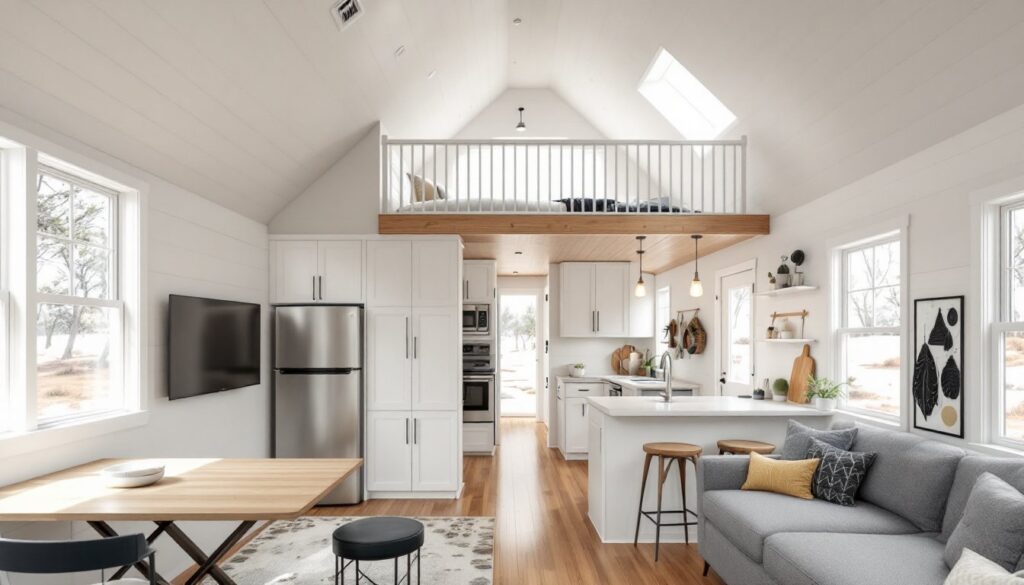
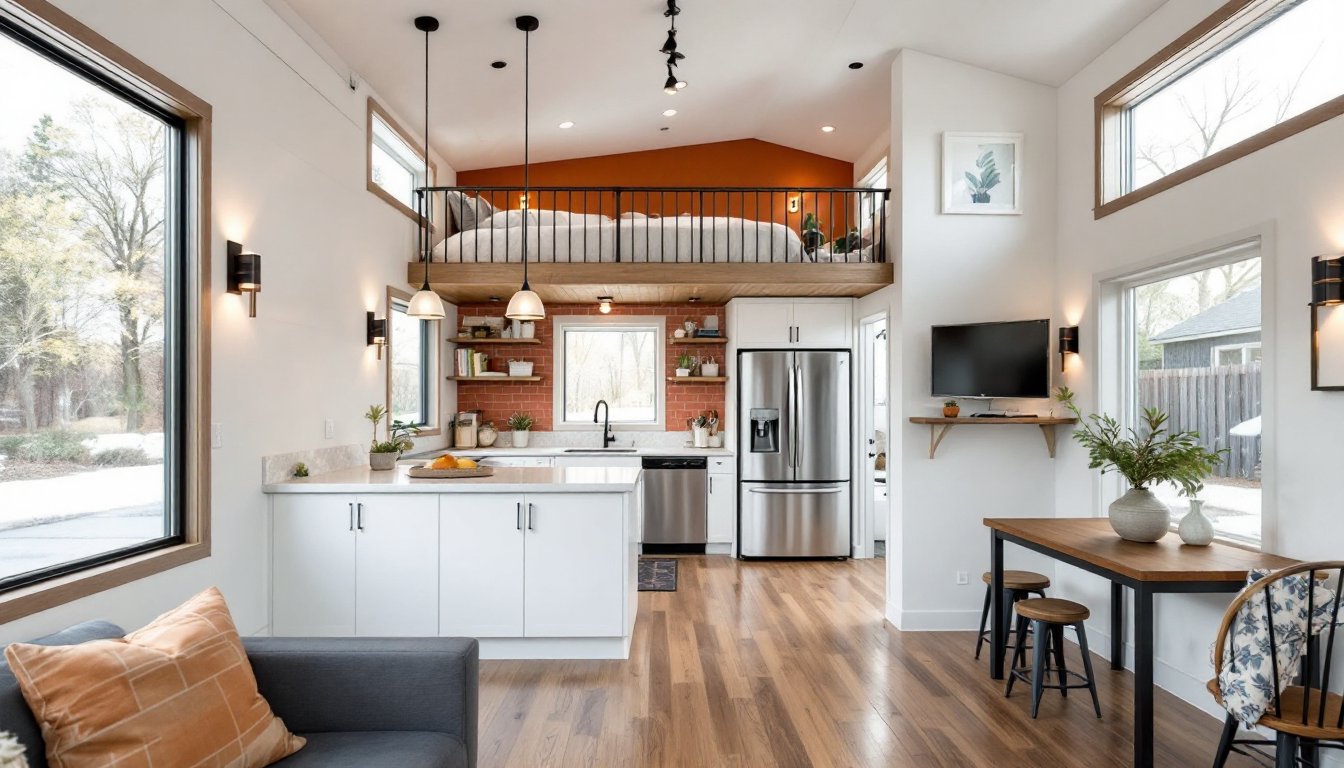
These homes often feature open floor plans, high-quality finishes, and integrated storage solutions that make every inch count. You’ll find full kitchens with modern appliances, dedicated home office nooks, lofted bedrooms with actual headroom, and sometimes even a compact laundry closet. The structural approach is standard residential, meaning they sit on permanent foundations or trailers built to code, with conventional framing, roofing, and utilities. Unlike extreme minimalist tiny houses that ask residents to give up creature comforts, big tiny homes ask: what if you didn’t have to sacrifice much at all?
The Rise of Maximalist Tiny Living
The shift from minimalist to maximalist tiny living reflects broader cultural and economic changes. Rising housing costs, student loan debt, and delayed homeownership pushed younger generations to reconsider what homeownership means. Simultaneously, remote work culture expanded the geographic options for where people can live and still earn urban salaries. These factors created demand for homes that don’t require compromise.
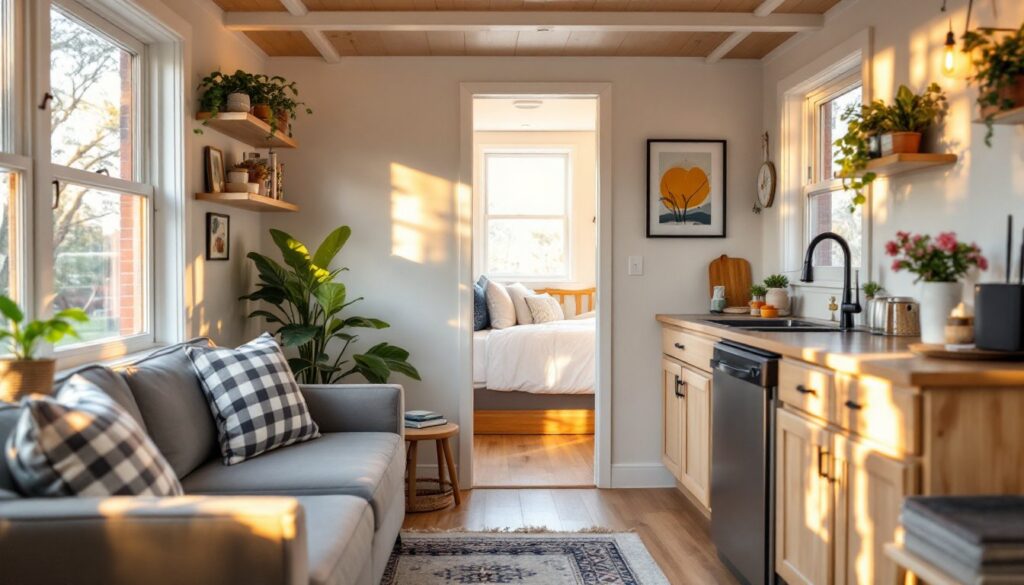
Maximalist tiny living embraces color, texture, and personal expression. A big tiny home might feature exposed wood beams, a feature accent wall, built-in bookshelves that reach the ceiling, a gas fireplace, or even a small home bar, elements that feel luxe without demanding square footage. Manufacturers and builders noticed this trend in 2024–2025, and by 2026, options expanded dramatically. Companies now offer modular systems, custom builds, and pre-designed maximalist layouts that were nonexistent five years ago. The movement reflects a realization: you don’t need 3,000 square feet to feel like you’re home.
Design Features That Define Big Tiny Homes
Several design strategies make big tiny homes feel larger and more luxurious than their footprint suggests. Vertical space utilization is foundational, high ceilings (often 9 to 10 feet), lofted sleeping areas, and wall-to-wall storage maximize every dimension. Many include murphy beds or murphy desks that fold away when not in use, reclaiming floor area for living and movement.
Material choices carry significant visual and tactile weight. Rather than cheap finishes, big tiny homes often feature solid-core doors, hardwood or luxury vinyl plank flooring, quartz countertops, subway tile, and quality hardware. These materials cost more per unit but stretch further in smaller spaces because you’re buying less total material. A small kitchen with genuinely nice cabinetry and fixtures feels more intentional and premium than a sprawling kitchen with builder-grade components.
Lighting design also matters enormously. Multiple light sources, pendant lights over islands, recessed ceiling lights, wall sconces, and task lighting in work areas, create layered illumination that adds perceived spaciousness and mood. Large windows or strategic skylights bring natural light deep into open-concept layouts.
Multi-Functional Spaces and Smart Storage
Multi-functional design is the workhorse of big tiny living. An entryway might incorporate a coat closet, shoe storage bench, and a console table that anchors the living room’s view. A dining nook doubles as a workspace with a drop-leaf table and built-in seating that provides hidden storage underneath. Bedrooms often include integrated desks, shelving, or a closet system organized for maximum capacity.
Smart storage means built-in cabinetry tailored to specific items: a wine fridge, a spice pull-out rack, undersink organizers, and closet systems designed for the actual clothing and possessions residents own. Rather than generic shelving, many big tiny homes feature custom or semi-custom cabinetry that accounts for the room’s angles, ceiling height, and actual daily use patterns. This level of thoughtfulness, driven by both builder expertise and owner input, separates comfortable small living from cramped compromise.
Cost and Affordability Compared to Traditional Housing
The financial case for big tiny homes hinges on the gap between materials cost and financing cost. A 600-square-foot big tiny home might cost $150,000 to $300,000 fully finished, depending on region, finishes, and whether it’s a custom build or a manufactured model. By contrast, a traditional 2,000-square-foot home in the same market runs $350,000 to $600,000+.
But the real advantage emerges over time. A smaller mortgage, often $100,000 to $200,000 less principal, means dramatically lower interest payments. On a 30-year mortgage, that difference compounds to tens of thousands of dollars. Property taxes scale with assessed value and square footage, as do utilities, maintenance, and insurance. A big tiny home resident might spend 40–50% less annually on these combined costs than a traditional homeowner in the same region.
Manufactured big tiny homes (built in factories to code) often come with warranty coverage and faster delivery than site-built homes, adding consumer protection. But, financing remains slightly more challenging than traditional mortgages, lenders are still warming to the category. Buyers should expect to shop lenders carefully or use personal loans or construction financing, which may carry higher rates.
Regional variation matters enormously. A $200,000 big tiny home in rural Minnesota represents stunning value: the same home in coastal California or urban Austin feels less transformative relative to market norms. Before committing, buyers should analyze local appreciation, market demand, and whether local zoning permits permanent tiny home communities or single-unit placements.
Lifestyle Benefits and Environmental Impact
Residents of big tiny homes consistently report reduced stress around maintenance and housekeeping. A smaller footprint means fewer rooms to clean, less square footage to heat or cool, and a tighter budget for repairs. A burst pipe in a 600-square-foot home is inconvenient: the same pipe in a 2,400-square-foot home can cause catastrophic damage across multiple zones. Simplicity breeds peace of mind.
From an environmental standpoint, the benefits are measurable. Smaller homes require less building material during construction, less lumber, drywall, roofing, and foundation concrete. They’re faster and cheaper to heat and cool, consuming 60–70% less energy annually than conventionally sized homes. For grid-tied homes, some owners pair big tiny homes with solar panels or heat pumps, further reducing carbon footprint. The embodied carbon advantage, accounting for materials and construction, is significant compared to traditional builds.
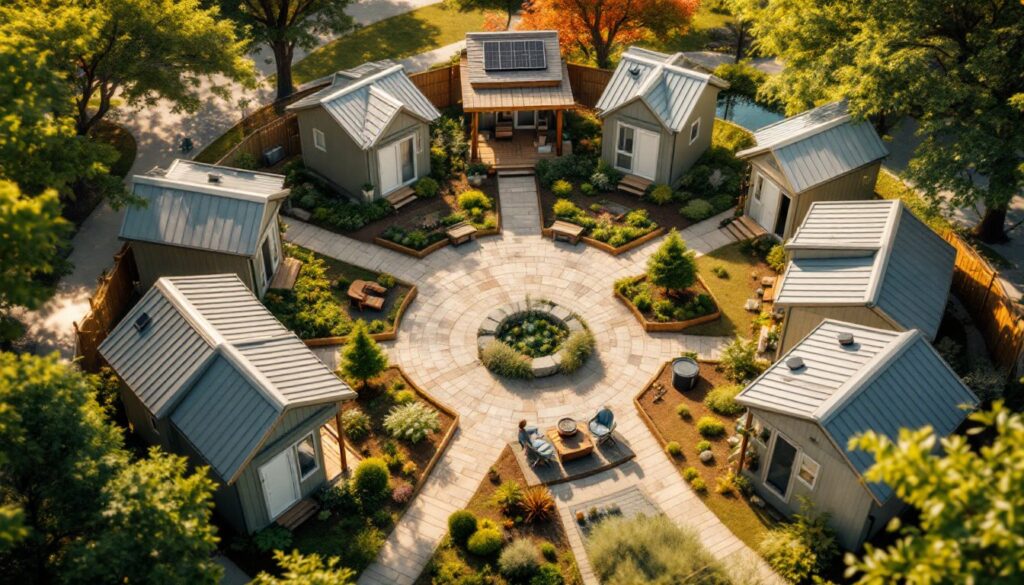
Community benefits also matter. Some big tiny home communities foster intentional neighborhoods with shared green space, tool libraries, and social connection. Owners know neighbors by name and invest collectively in neighborhood character. This contrasts with sprawling suburban developments where many residents barely acknowledge neighbors.
Mentally, the appeal extends beyond practicality. Many owners describe a “forced intentionality”, the inability to accumulate unnecessary possessions or ignore the spaces you live in daily. This doesn’t require strict minimalism: it simply means being conscious about what enters your home because space is genuinely finite.
Conclusion
Big tiny homes aren’t a niche trend or aesthetic fad, they represent a genuine market shift in how people prioritize housing. By blending maximalist design, smart functionality, and affordability, they make homeownership accessible to groups historically priced out of traditional markets. For DIYers, they offer a manageable renovation canvas and lower stakes for customization projects. For environmentally conscious buyers, they deliver measurable carbon reduction without lifestyle sacrifice. As housing markets tighten and financing options expand, expect big tiny homes to capture a meaningful share of new construction through 2027 and beyond.