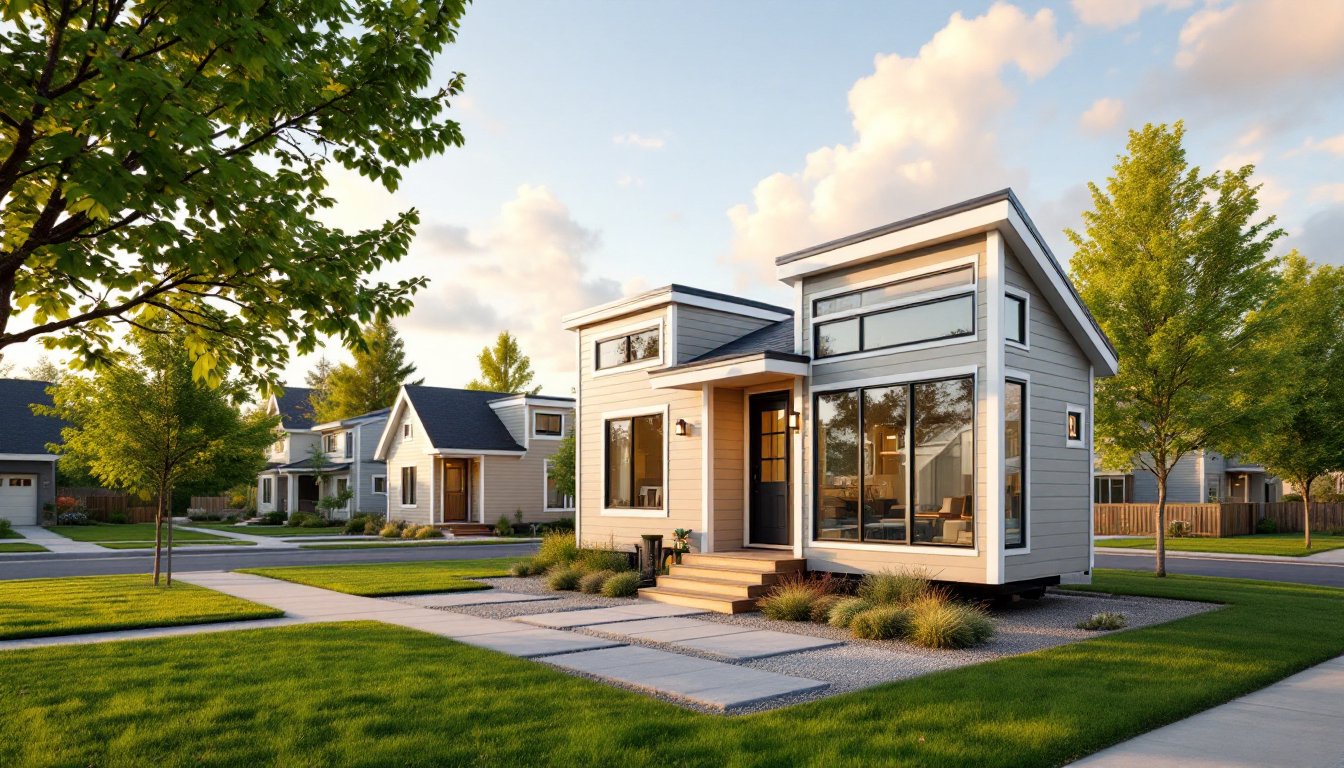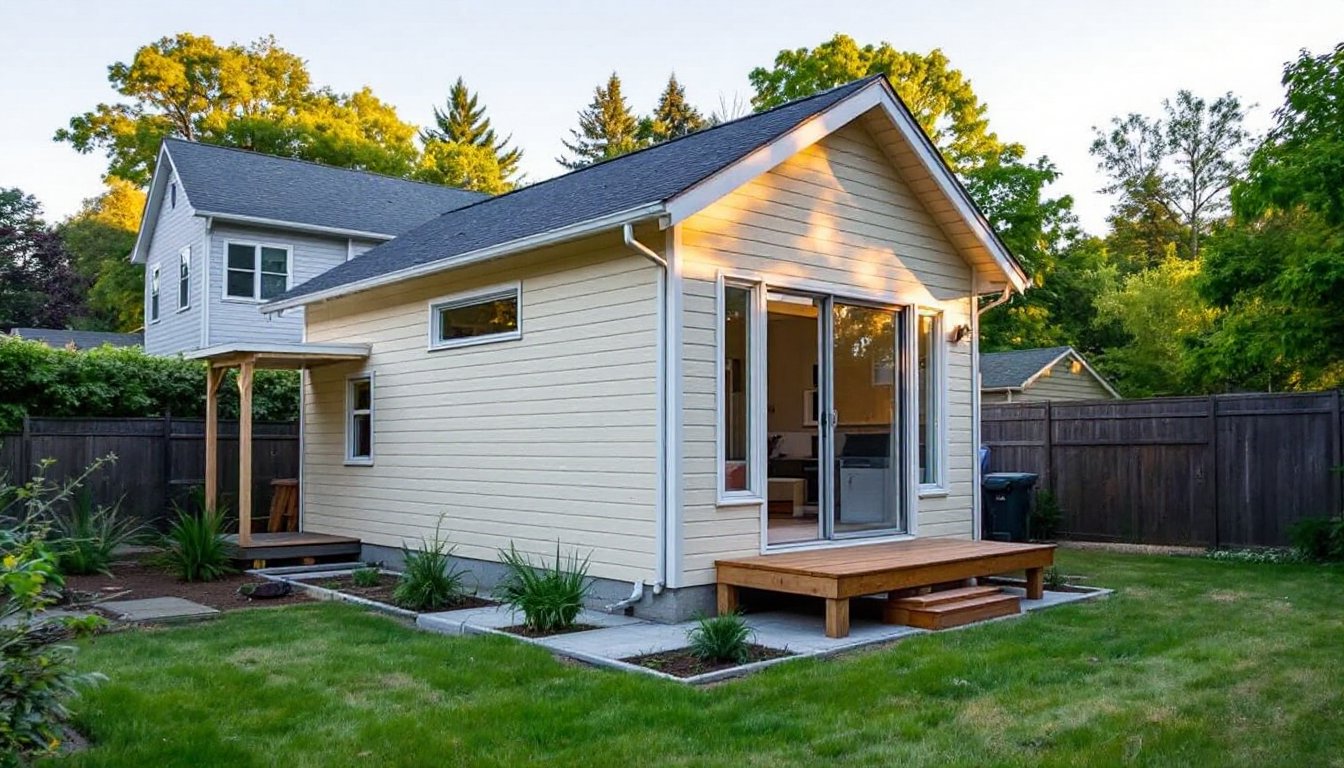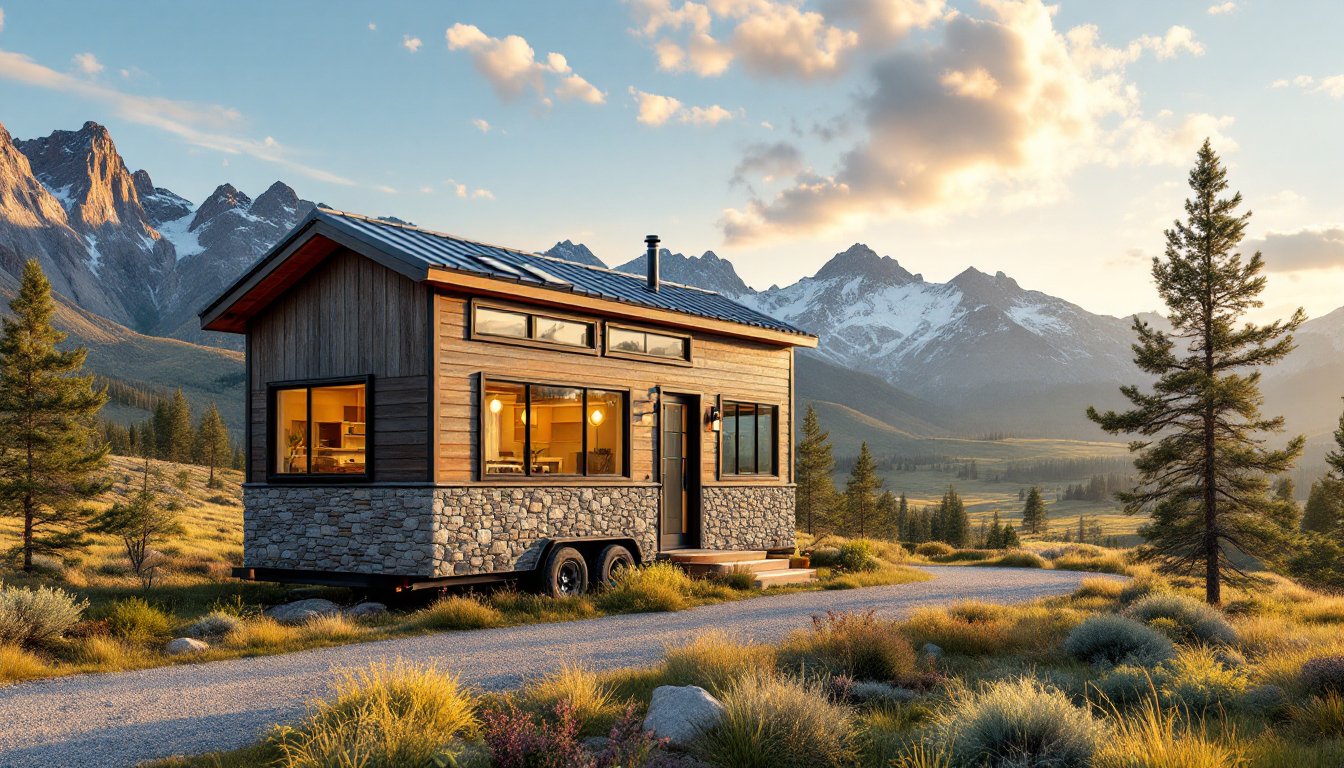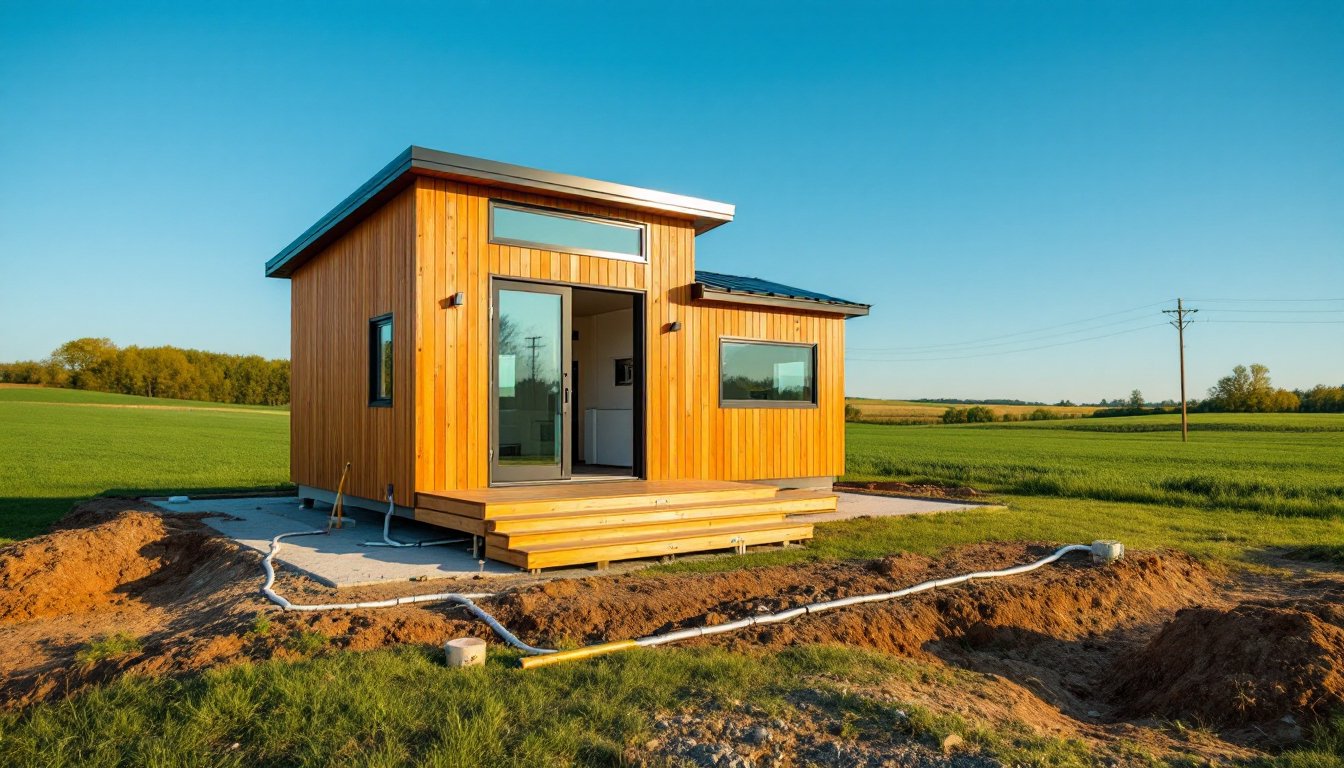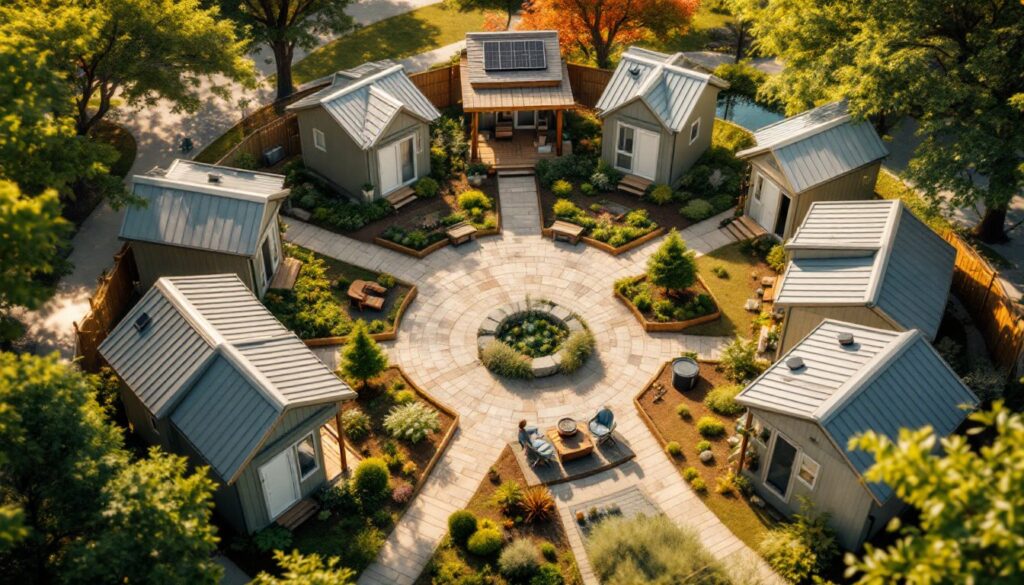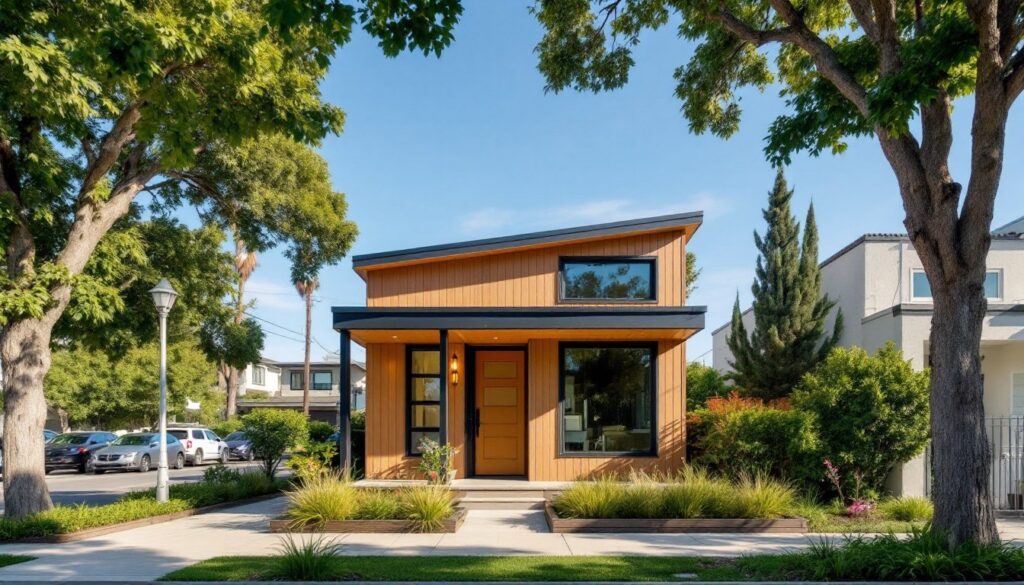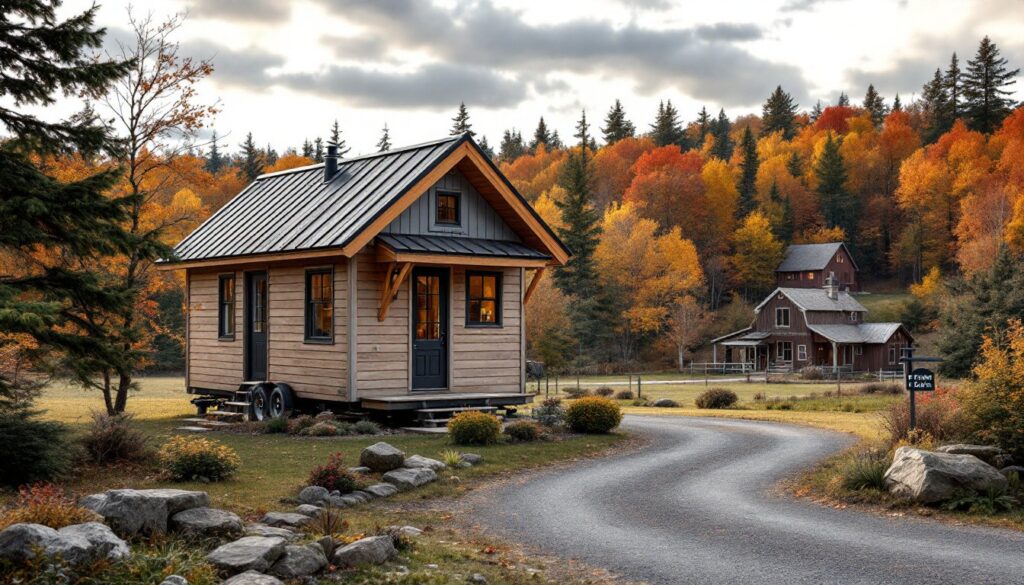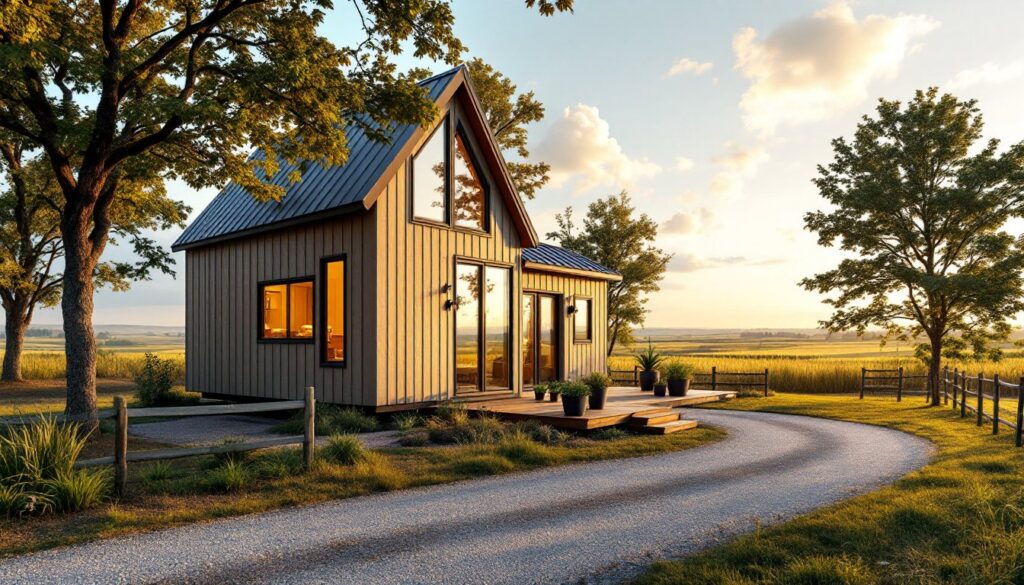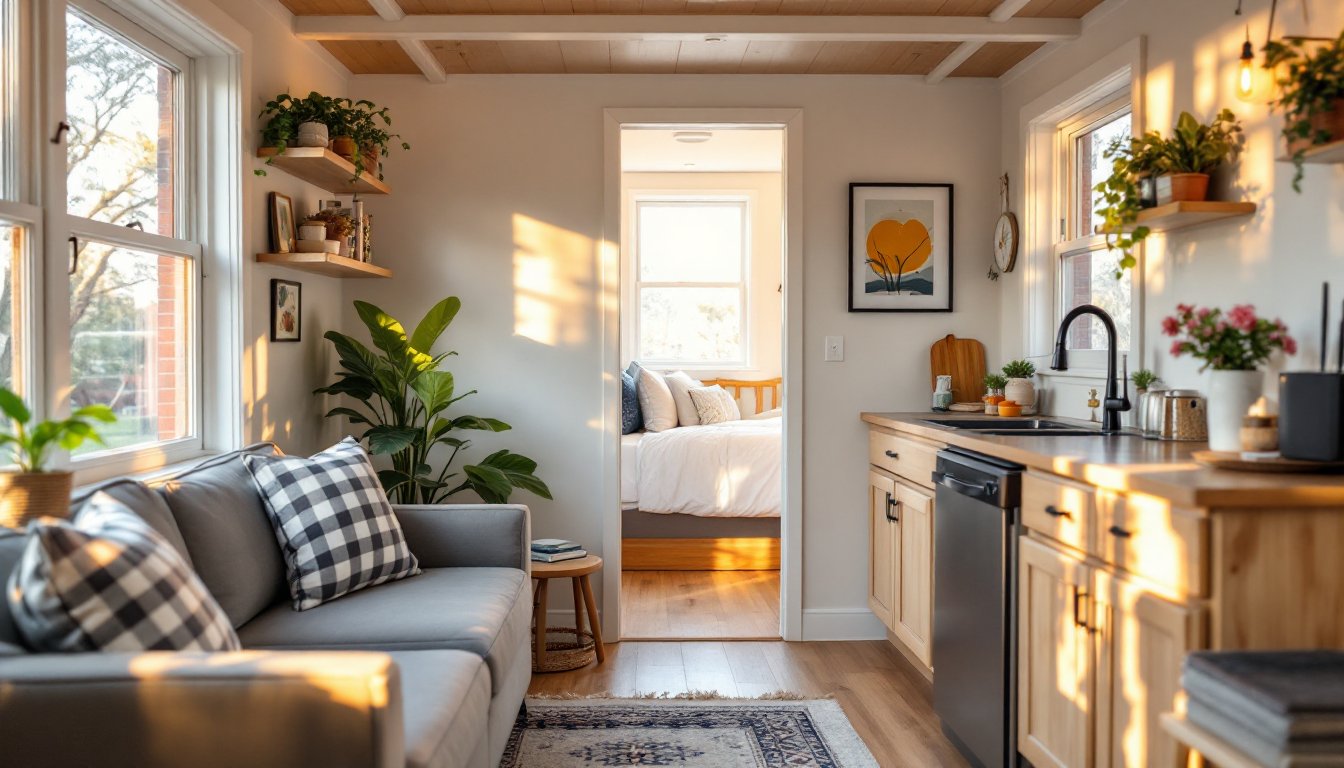

Tiny homes have shifted from niche curiosity to mainstream travel accommodation, with thousands of listings now filling Airbnb’s vacation inventory. Whether a guest is hunting for an affordable weekend escape or a host is looking to monetize a compact property, tiny homes offer something traditional hotels can’t: authentic, intimate spaces that promise genuine connection, not just a room number. In 2026, the tiny home movement isn’t just trending: it’s reshaping how people travel, invest in property, and think about square footage. This guide walks through everything potential guests and aspiring hosts need to know about tiny homes on Airbnb, from search strategies to setup best practices.
Key Takeaways
- Tiny homes on Airbnb cost 40–75% less per night than traditional hotels while delivering authentic, character-filled spaces that appeal to cost-conscious and sustainability-minded travelers.
- Successful tiny home Airbnb listings prioritize high-quality photography, transparent descriptions of layouts and quirks, and standout amenities like in-unit laundry and full kitchens to stand out in a crowded marketplace.
- Hosts can net 40–60% profit from tiny homes after expenses, but profitability depends on location, seasonal pricing strategy, and minimizing turnover costs through efficient cleaning systems.
- Finding the perfect tiny home rental requires filtering by property type and room type, paying close attention to reviews about WiFi and layout details, and messaging hosts directly about parking, square footage, and space-specific concerns.
- Clear guest communication about house rules, responsive customer service, and proactive maintenance are essential for tiny home hosts to maintain high occupancy rates and prevent complaints about confined spaces.
Why Tiny Homes Are Dominating Airbnb’s Travel Trends
Tiny homes on Airbnb tap into several converging travel trends. First, cost-consciousness is driving guests toward smaller spaces that cost substantially less per night than conventional rentals or hotels. A tiny home might run $80–150 per night, while a comparably located one-bedroom apartment could exceed $200. Second, travelers increasingly value authenticity over luxury. A well-appointed tiny home with character beats a cookie-cutter hotel room every time. Third, sustainability resonates with modern travelers: tiny homes use fewer utilities and embody a slower, more mindful way of living, even for a long weekend.
For hosts, tiny homes solve a real problem: how to generate revenue from a small footprint without enormous renovation costs. A backyard cottage, converted barn, or standalone tiny home can operate year-round, often with minimal staff overhead. Airbnb data consistently shows tiny homes maintain strong occupancy rates and attract repeat bookings. Guests appreciate the full kitchen, washer/dryer, and independence, amenities you won’t find in a typical hotel room. This combination of guest desire and host practicality has pushed tiny homes to the forefront of the short-term rental market.
How to Find and Book the Perfect Tiny Home on Airbnb
Finding the right tiny home rental starts with knowing what to filter for and what questions to ask before booking.
Filtering and Search Strategies
Airbnb’s search filters are your best friend. Use the “Property type” dropdown and select “Tiny home” to narrow results immediately, this alone eliminates hundreds of listings that aren’t what you’re looking for. Next, apply “Room type” set to “Entire place,” ensuring you get a private space, not a bedroom in someone else’s home.
Price range filters depend on your budget and travel dates. Midweek stays typically cost 15–25% less than weekends: consider traveling Tuesday through Thursday if flexibility allows. Set your must-have amenities: kitchen (non-negotiable for longer stays), washer/dryer (saves laundry trips), and Wi-Fi if you’re working remotely.
Location filtering is crucial for tiny homes because many sit in rural areas, small towns, or countryside settings, wonderful for retreat vibes, less ideal if you need quick access to city attractions. Read reviews carefully, paying close attention to comments about noise, wifi reliability, and checkout logistics. Tiny home guests often mention setup details (stairs, low ceilings, compact layouts) that matter for comfort. If you have mobility concerns or large luggage, these details can make or break your stay.
Before booking, message the host directly. Ask about parking (some tiny homes have limited space), the exact square footage, and layout quirks (loft bedroom with steep stairs, for example). Reputable tiny home hosts appreciate detailed questions, it weeds out poor-fit guests on both sides.
What Makes a Tiny Home Airbnb Listing Stand Out
In a crowded marketplace, successful tiny home listings share certain qualities.
Design, Amenities, and Guest Experience
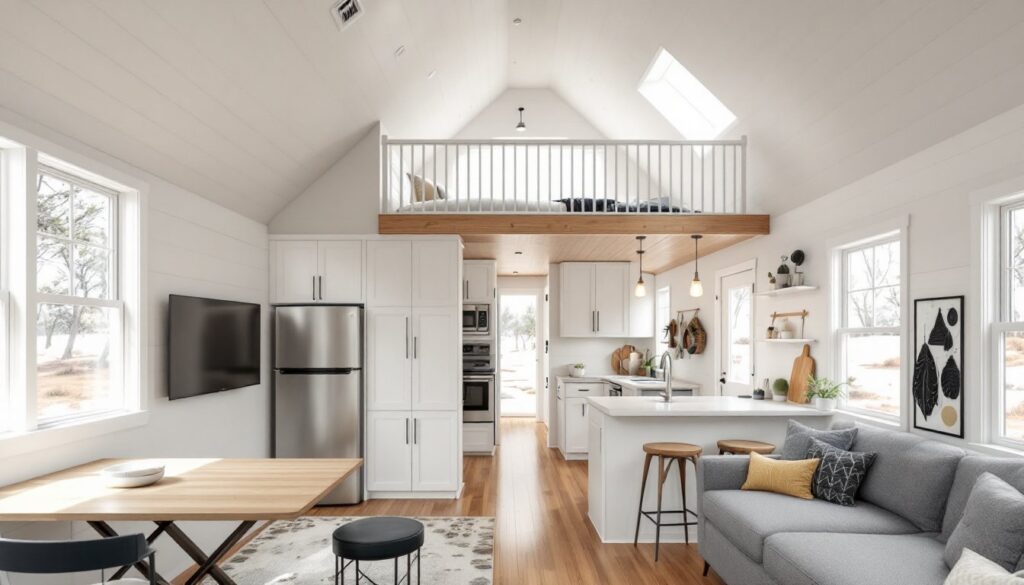
Photography is non-negotiable. A tiny home’s success relies almost entirely on images, since guests can’t walk through before booking. Wide-angle photos, clear lighting, and staged views of the bedroom, kitchen, and bathroom are essential. Include at least one full-room overview photo so guests understand the layout without surprise.
Amenities make or break the experience in a compact space. A full kitchen with quality basics (good knives, coffee maker, cooking utensils) keeps guests happy and spending money locally instead of eating out. In-unit laundry, even a compact combo unit, is a standout feature for stays over three nights. Climate control (AC in summer, reliable heating in winter) isn’t a luxury: it’s survival for a confined space.
Thoughtful details elevate a listing from acceptable to exceptional. Fresh linens, good water pressure, blackout curtains, a workspace if the listing emphasizes remote work, and entertainment options (streaming services, books, board games) show guests they’re valued. Many successful tiny home hosts include a welcome basket with local snacks or coffee, a $10 gesture that translates to stellar reviews.
Accuracy in descriptions prevents cancellations and negative reviews. If the bedroom has a loft with a sloped roof, say so. If the shower is a compact stall, don’t hide it in small print. Honest descriptions attract guests whose expectations match reality, leading to better reviews and more bookings. Transparency about square footage, ceiling height, and layout quirks is smart hosting.
Hosting a Tiny Home: Profitability and Best Practices
Hosting a tiny home on Airbnb requires different thinking than renting a traditional house. Space constraints mean cleaning is faster (a plus), but turnover expectations are higher (a potential headache).
Profitability depends on location, seasonality, and operational efficiency. A tiny home in a desirable region, mountain towns, beach communities, city neighborhoods, can gross $3,000–5,000 per month depending on occupancy and nightly rates. But, subtract cleaning costs ($50–100 per turnover), platform fees (Airbnb’s 3% plus payment processing), property management if outsourced, utilities, insurance, and maintenance. Many tiny home hosts net 40–60% after all expenses, better than traditional rentals but requiring disciplined cost control.
Turnovers are your biggest operational burden. A tiny home with frequent bookings needs rapid cleaning. Invest in quality linens and a documented cleaning checklist to speed the process. Some hosts batch deep cleaning into monthly tasks, then do lighter turnovers between guests, a time saver. Consider hiring a cleaner once weekly or after every booking if your budget allows: this eliminates your biggest time bottleneck.
Guest communication sets expectations early. Write house rules clearly and kindly: quiet hours, parking details, check-in/out procedures, and what to do if something breaks. Responsive hosts who answer questions within a few hours build trust and earn better ratings. For tiny homes especially, clear communication prevents surprise complaints about tight spaces or unexpected quirks.
Seasonal pricing maximizes revenue. Charge premium rates in peak season (summer, holidays) and drop rates 15–30% during slow seasons to maintain occupancy. Monitor competitor listings in your area, Airbnb pricing analysis tools help, and adjust quarterly. Tiny homes in ski towns thrive in winter: beach tiny homes peak in summer. Know your market’s rhythm.
Maintenance must be proactive in a tiny space where problems affect guest comfort immediately. Fix plumbing leaks, replace worn appliances, and refresh paint annually. A 500-square-foot home where the shower doesn’t work is 100% unusable: the same problem in a 2,000-square-foot house is an inconvenience. Preventive maintenance keeps your occupancy and reviews strong.
Conclusion
Tiny homes on Airbnb represent a genuine shift in how people travel and invest in short-term rentals. For guests, they offer affordable, authentic alternatives to chain hotels. For hosts, they’re a practical way to generate revenue without massive capital investment. Success, whether booking or hosting, hinges on honest communication, attention to detail, and understanding that every square inch counts. In 2026, tiny doesn’t mean limiting: it means focusing on what genuinely matters.